

ADB, GCF launch $3.5B drive to protect glacier-dependent communities in Asia
‘Glaciers to Farms’ program to boost water security and agriculture resilience across nine countries, including Pakistan

Business Desk
The Business Desk tracks economic trends, market movements, and business developments, offering analysis of both local and global financial news.
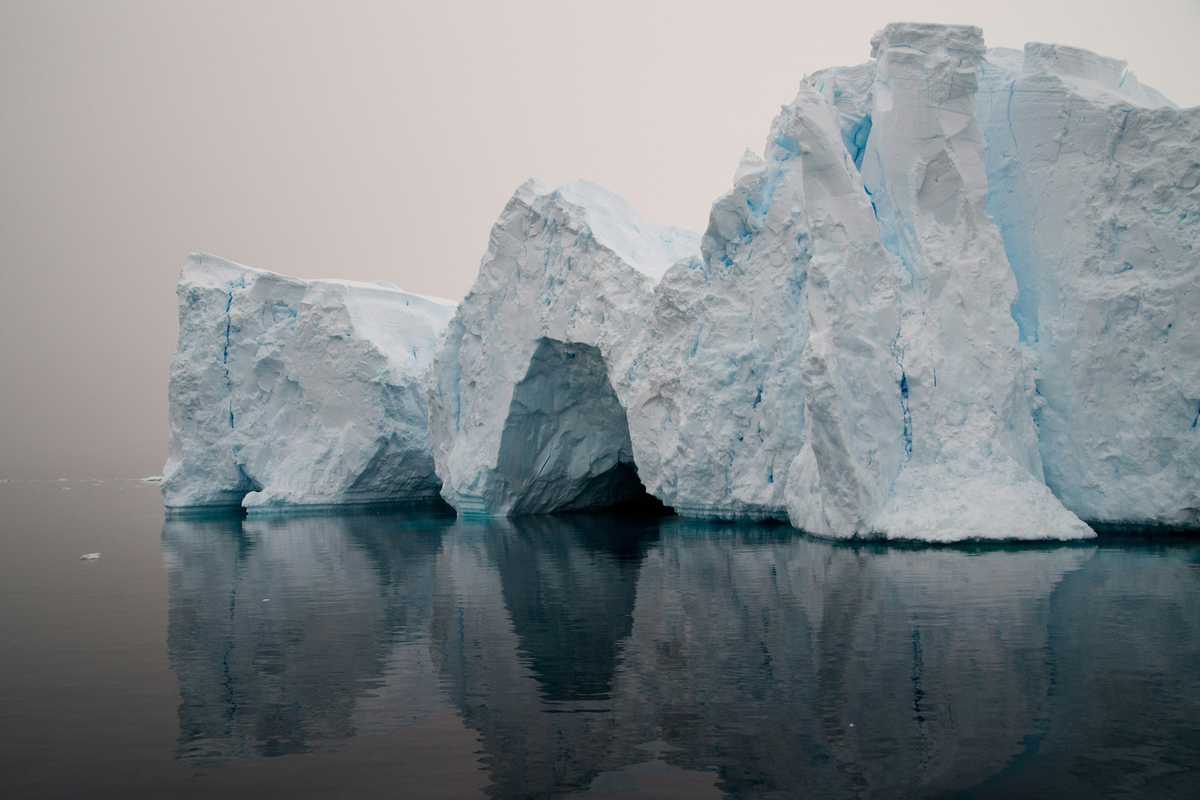
The Green Climate Fund (GCF) has approved $250 million in funding for Glaciers to Farms, a flagship climate adaptation program led by the Asian Development Bank (ADB) to strengthen water and agriculture systems for vulnerable communities in glacier-dependent regions of Central Asia, the South Caucasus, and Pakistan.
GCF’s financing—provided mostly as grants—will be invested alongside $3.25 billion from ADB over the next decade across a series of projects identified by participating countries. The investments will focus on efficient irrigation, water storage, and watershed management to boost agricultural productivity amid increasing drought and flood risks caused by rapid glacial melt.
“Rapid glacial retreat is one of the most complex development challenges faced by our region,” said ADB Director for Agriculture, Food, Nature, and Rural Development Yasmin Siddiqi. “We need practical, scalable, and science-based solutions to help communities adapt. With catalytic support from GCF, Glaciers to Farms will help move the region beyond fragmented projects and towards systemic, long-term resilience that protects lives and livelihoods now and for future generations.”
The Glaciers to Farms initiative covers nine ADB developing member countries—Armenia, Azerbaijan, Georgia, Kazakhstan, the Kyrgyz Republic, Pakistan, Tajikistan, Turkmenistan, and Uzbekistan—all of which rely heavily on glacier- and snow-fed rivers for agriculture, domestic water supply, and hydropower generation. Accelerated glacial melt threatens these resources, posing serious risks in economies where about one in four jobs are tied to agriculture.
The program will target four major glacier-fed river basins: the Naryn and Pyanj in Central Asia, the Kura in the South Caucasus, and the Swat in Pakistan, spanning approximately 27 million hectares. About 13 million people, primarily farmers and vulnerable communities in fragile mountain regions, are expected to benefit directly.
The initiative will support detailed climate and glacier assessments to inform national development plans and investment pipelines. It will also enhance monitoring and early warning systems to help communities manage glacial lake outburst floods, droughts, and other hazards.
Beyond agriculture, the program will strengthen adaptive social protection schemes and health services for populations affected by water shortages and extreme heat. It will also improve local banks’ capacity to finance agricultural businesses, particularly those led by women.
“The Glaciers to Farms program is the kind of large-scale, innovative, and collaborative effort that will help countries in Central and West Asia strengthen adaptation planning and cooperation to manage climate impacts on glacier-fed water systems,” said GCF Director for Eastern Europe, Central Asia, and the Middle East Thomas Eriksson. “This program sets a transformative benchmark by improving data, coordination, and financing readiness for long-term resilience in the region’s water and food systems.”
GCF, the world’s largest climate fund, approved the concessional funding for Glaciers to Farms at its 43rd Board Meeting on Oct. 29. Earlier GCF-funded glacier risk assessments conducted in 2024 helped establish the scientific and technical foundation for the new program.





Comments
See what people are discussing