

Iranian media says top Khamenei adviser survived last week’s Israeli strike
Ali Shamkhani says the ‘dawn of victory is near’ in a letter to Iranian supreme leader

News Desk
The News Desk provides timely and factual coverage of national and international events, with an emphasis on accuracy and clarity.
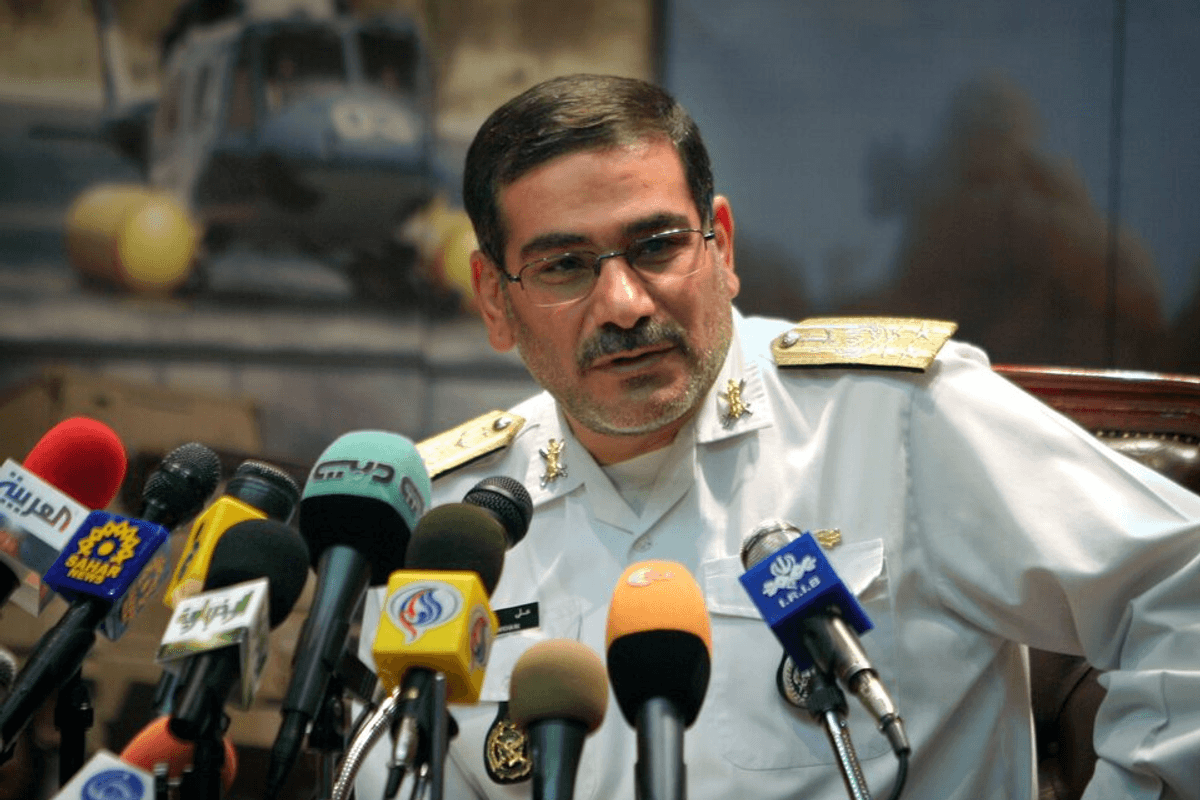
Admiral Ali Shamkhani, a top Iranian official and close ally of Supreme Leader Ayatollah Ali Khamenei, has confirmed he is alive and recovering after being injured in what Tehran describes as an Israeli “terrorist aggression” last week.
Putting an end to days of speculation, Iranian state outlet Press TV reported on Friday that Shamkhani is in stable condition after sustaining life-threatening injuries during an Israeli strike on June 13.
In a letter addressed to Khamenei and published by Nour News, Shamkhani wrote that the Islamic Republic was on the path to triumph.
“The dawn of victory is near,” Shamkhani declared. “The name of Iran will shine brightly in the annals of history as it always has, and the smiles of the martyrs will reflect our future.”
Shamkhani was hospitalized immediately following the Israeli airstrike, where he received continuous medical care. His survival dispels earlier rumors that he had succumbed to his injuries.
According to Iranian media, the same Israeli strike also killed several senior military figures, including Armed Forces Chief of Staff Major General Mohammad Bagheri, IRGC Commander Hossein Salami, and IRGC Aerospace Chief Amir Ali Hajizadeh.
The June 13 attack was part of a broader Israeli campaign targeting Iran’s military leadership and nuclear infrastructure. Western and regional officials have said the Israeli government is aiming to cripple Iran’s military capabilities and potentially destabilize the Islamic Republic's leadership, though Israel denies directly targeting regime change.
Just hours after the airstrikes, Iran launched what it called a retaliatory campaign named "True Promise III." The Islamic Revolutionary Guard Corps (IRGC) and other branches of the Iranian armed forces have since carried out 15 phases of operations targeting Israeli military and intelligence sites, according to Iranian state media reports.
Israel, for its part, has said its strikes are aimed at preventing Iran from developing nuclear weapons, a charge Tehran strongly denies, asserting that its nuclear program is peaceful.
The Iranian government claims that 224 people, including nuclear scientists and senior military officials have been killed in Israeli attacks so far. However, US-based Human Rights Activists News Agency reports that 639 Iranians have been killed. Israel claims at least two dozen civilians have died in Iranian missile strikes, though Reuters has been unable to independently verify the toll on either side.
Meanwhile, the role of the United States remains unclear. President Donald Trump is said to be weighing direct involvement in the conflict, including potential strikes on Iranian nuclear facilities. According to sources, Trump will attend a national security meeting on Friday, where Iran will be a key topic.
The escalating conflict has created internal pressure in Iran, but activists say the threat of war has silenced potential uprisings.
“How are people supposed to pour into the streets?” said Atena Daemi, a human rights activist. “People are solely focused on saving themselves, their families, their compatriots, and even their pets.”



Comments
See what people are discussing