

Pakistan’s major oil refinery to reduce production as sales slow
Attock Refinery has told the stock market that it will close one of its plants for four days

Business Desk
The Business Desk tracks economic trends, market movements, and business developments, offering analysis of both local and global financial news.
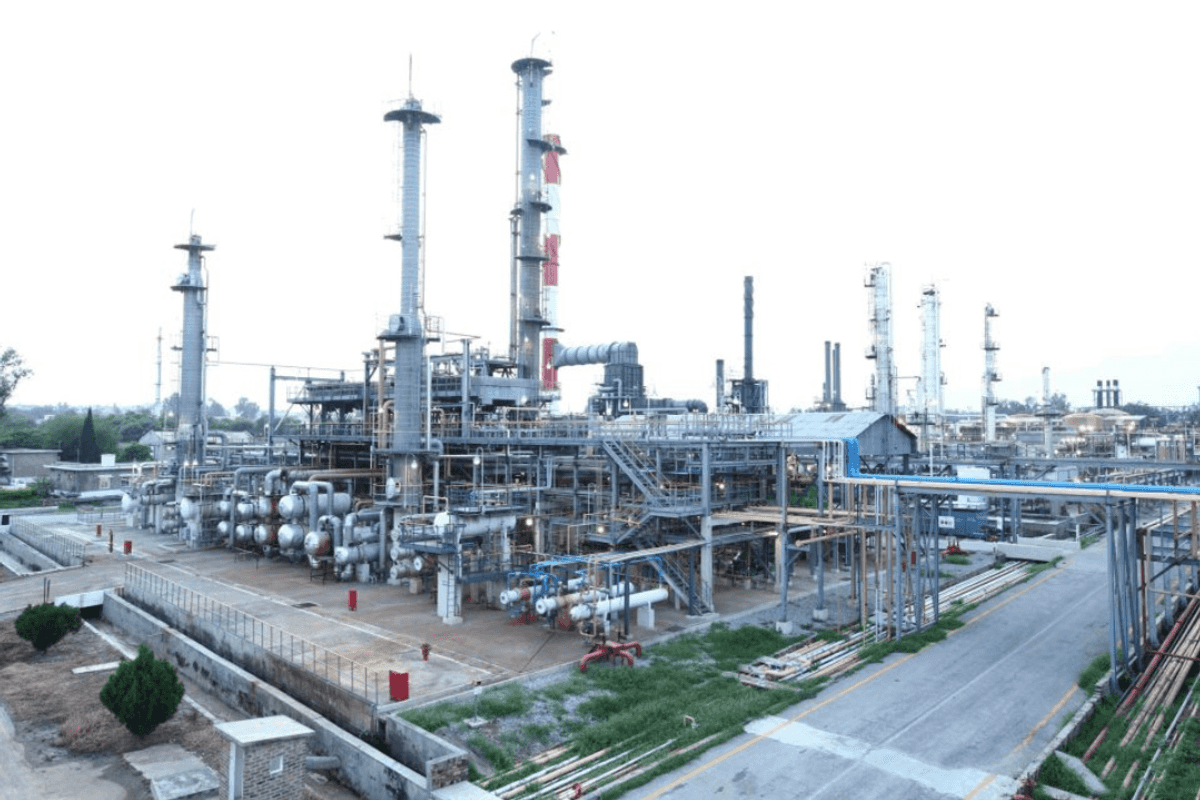
A major oil refinery of Pakistan will shut down some of its operations from Monday due to lower offtake.
Pakistan Attock Refinery announced that it will close the operations of one of its crude distillation units for four days.
In a filing with the Pakistan Stock Exchange on Friday, the company attributed the shutdown to low crude stocks and reduced uplift of motor gasoline and diesel by oil marketing companies (OMC) during December. The sluggish sales have resulted in high product inventory at the facility.
According to the filing, the refinery will be shutting down its main crude distillation unit (HBU-I), which has a capacity of 32,400 barrels per day. During the shutdown, essential maintenance activities will be carried out at the plant.
The company said its other crude units will remain in operation during this shutdown along with normal operation of downstream processing units.
It added that committed volumes and uninterrupted dispatches for the current month shall be ensured during the shutdown period.
Pakistan's overall diesel sales in December fell 19% to 550,000 metric tons (mt) from November. Year-on-year, sales fell 4%, according to the Oil and Companies Advisory Council, an authority that compiles data on consumption, imports, and exports of petroleum products.
Motor gasoline sales rose 3% month-on-month and 11% year-on-year in December, the data showed.
Pakistan’s refining sector has warned of possible shutdowns or reduced operations if OMCs continue to avoid uplifting committed quantities of petroleum products from local refineries.
In a joint letter addressed to the Federal Minister for Petroleum Ali Pervaiz Malik, the country’s five refineries said OMCs were increasingly refraining from agreed upliftment.
Adil Khattak, the CEO of Attock Refinery, had previously told Nukta that the refinery is faced with twin challenges.
On one hand, it is forced to operate at only 65 to 70% of its designed capacity due to lower availability of crude oil from the northern fields in Khyber Pakhtunkhwa and Potohar regions, and on the other hand, its products, especially diesel, are not being fully uplifted by some OMCs.
He added that OMCs prefer to reduce their stocks in periods of falling prices or, in some cases, supply imported products in the ARL-fed area to get the transport freight reimbursed from IFEM pool.
In spite of repeated protests by Refineries, OGRA continues to allow excessive imports instead of prioritizing upliftment from local refineries as required under Petroleum Rules, and also allows freight from IFEM pool even when product is available from ARL.




Comments
See what people are discussing