

Bangladesh says PM will not visit India until Hasina extradited
Bangladesh says PM Tarique Rahman will not visit India until Sheikh Hasina's extradition, as Dhaka pushes New Delhi to act.

News Desk
The News Desk provides timely and factual coverage of national and international events, with an emphasis on accuracy and clarity.
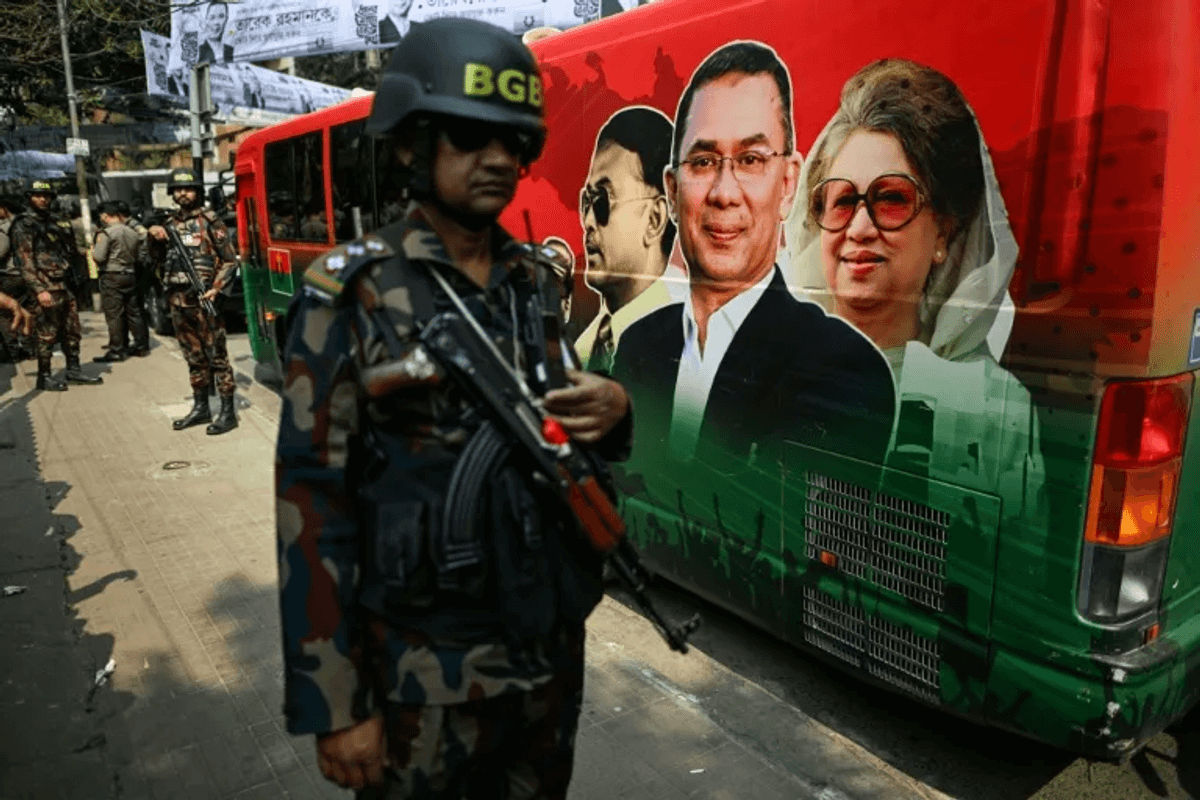
Bangladesh said on Sunday that Prime Minister Tarique Rahman would not visit India until New Delhi extradited Sheikh Hasina, the former Bangladeshi premier who fled during a 2024 uprising. The countries have had a strained relationship since Hasina's government fell. Dhaka has repeatedly pressed for her return.
Why won't Bangladesh's PM visit India?
Dhaka says a visit requires the right conditions, and it wants India to speed up Hasina's extradition first. Foreign ministry official A.K.M. Shahidul Karim said Bangladesh had urged Indian authorities to expedite efforts to extradite Hasina and other fugitives. He downplayed media speculation about a possible trip by Rahman to India next week.
Why did Sheikh Hasina flee to India?
Deadly anti-government protests brought down Hasina's government in 2024 and forced her to flee to neighboring India, where she remains. She now faces the death penalty in Bangladesh after being convicted of crimes against humanity. Dhaka has repeatedly requested her extradition since her departure, but India has said the request remains under examination.
What has fueled speculation about a Rahman visit to India?
Rahman took office in February and has since visited Malaysia and China, breaking from the tradition of Bangladeshi leaders making India their first overseas stop. India's High Commissioner to Bangladesh, Dinesh Trivedi, met Rahman last week, which fueled speculation over a possible breakthrough. Karim confirmed that officials from both countries have been in contact in recent weeks about a potential visit.
He said the process has been complicated by Hasina's open media interactions, despite her status as a convict in crimes against humanity. Hasina, a former pro-democracy leader whom critics said grew increasingly autocratic during her 15-year rule, vowed this month to return to Bangladesh in December even if it means imprisonment.
What is Bangladesh's current foreign policy stance?
Karim said the government would pursue a "Bangladesh First" foreign policy grounded in sovereignty and non-interference. He said this approach would still allow Dhaka to seek mutually beneficial ties with India and other countries. The extradition issue remains the central obstacle to restoring high-level contact between the two governments.


Comments
See what people are discussing