

BOJ raises rate to 1.25% in split vote, signals more hikes ahead
Fitch says Japan's sovereign rating can absorb higher borrowing costs even as BOJ shifts focus to stabilizing inflation

Business Desk
The Business Desk tracks economic trends, market movements, and business developments, offering analysis of both local and global financial news.
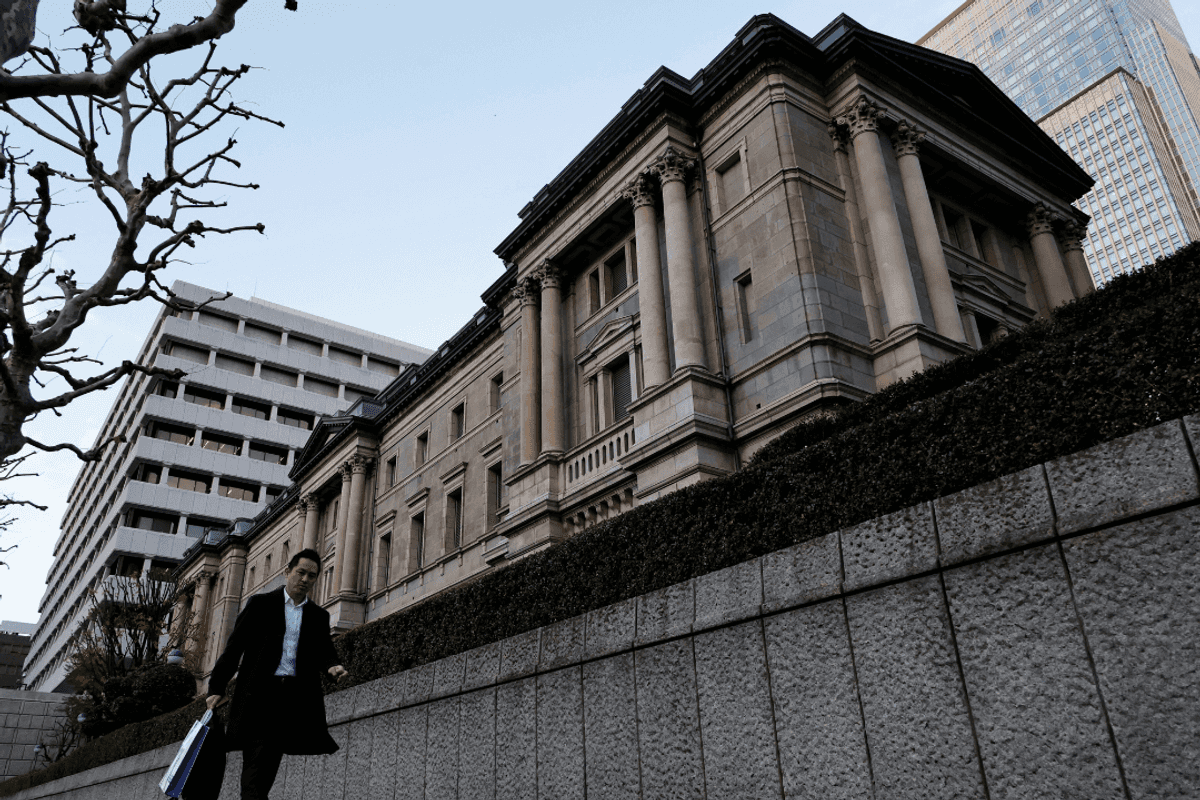
The Bank of Japan (BOJ) raised its policy interest rate to 1.25% on Thursday, in line with expectations, but a split vote caught investors by surprise and weakened the yen.
The BOJ voted 7-2 to raise the rate, with the two most recent appointees voting to keep policy unchanged.
The central bank's statement nevertheless signaled that further rate increases remain possible, saying it would continue to raise the policy interest rate and expected financial conditions to remain accommodative even after the latest move.
BOJ Governor Kazuo Ueda struck a hawkish tone at a news conference, indicating that the central bank's policy phase has shifted from stimulating inflation toward stabilizing underlying inflation around its 2% target. Ueda did not provide specific guidance on the pace of future rate increases or the level at which rates could eventually settle.
Fitch Ratings said the BOJ's latest decision was consistent with its expectations, and that the implications for Japan's sovereign rating would depend largely on its impact on the government bond yield curve, particularly the 10-year Japanese government bond yield.
"The BOJ hiked its policy rate to 1.25% today in line with our expectations," said Jeremy Zook, senior director of APAC Sovereign Ratings at Fitch Ratings.
Zook said it remained unclear whether the latest increase and expectations for a faster pace of monetary tightening would put significant upward pressure on longer-term bond yields. A faster pace of tightening could instead help keep medium-term inflation expectations contained, he said.
Fitch currently maintains Japan's sovereign rating at A with a stable outlook. Zook said the rating had room to absorb higher government borrowing costs.
"We expect the government debt ratio to be able to maintain a downward trend over the next five years even with the 10-year JGB around 3% and accounting for a loosening in fiscal policy, supported by well-entrenched inflation," Zook said.
The BOJ's decision comes as Japan seeks to balance persistent inflation with the need to avoid excessive tightening of financial conditions.





Comments
See what people are discussing