

CAP urges private wheat imports as Pakistan faces 4 million-ton shortfall
The association says TCP’s 750,000-ton wheat tender may cover only part of the gap as domestic prices rise and private imports could arrive without subsidy

Business Desk
The Business Desk tracks economic trends, market movements, and business developments, offering analysis of both local and global financial news.
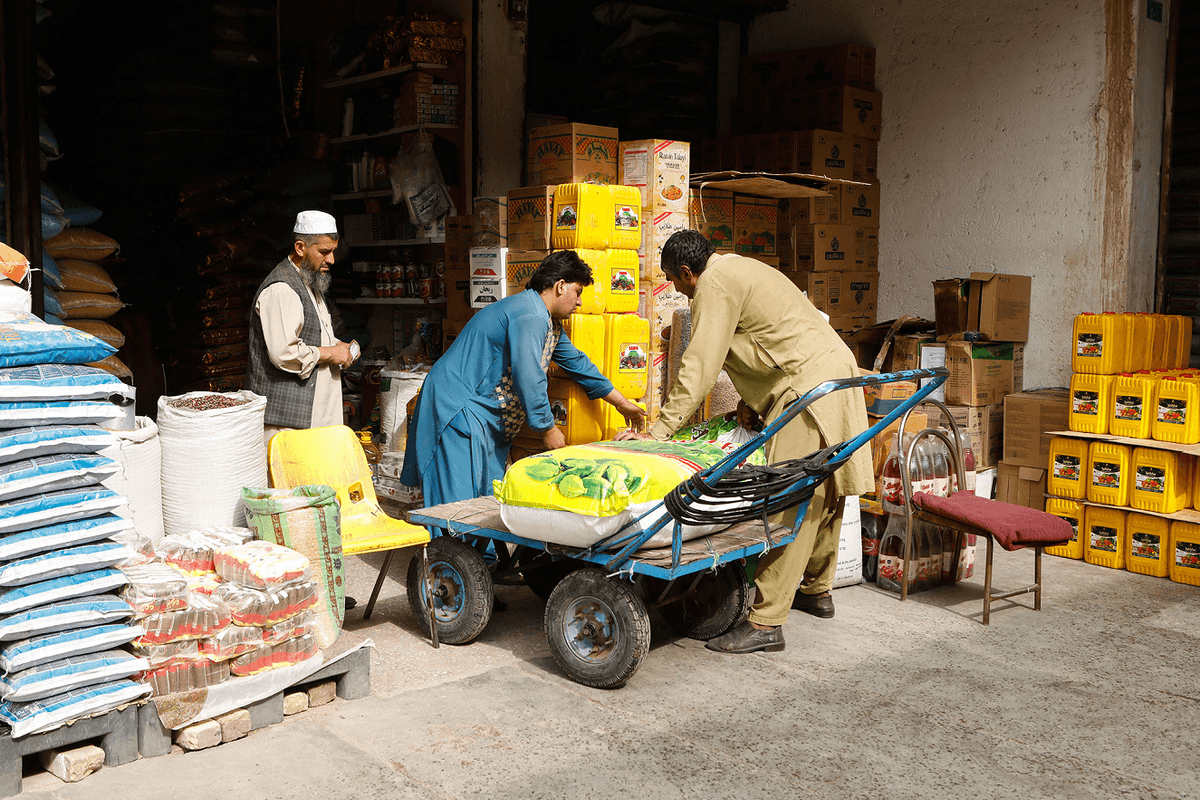
CAP estimates Pakistan’s annual wheat shortfall at around 4 million metric tons.
The Cereal Association of Pakistan (CAP) has urged the government to immediately allow private-sector wheat imports, warning that the 750,000 metric tons being sought through the Trading Corporation of Pakistan tender may cover only part of an estimated annual shortfall of around 4 million metric tons.
TCP has invited bids for 750,000 metric tons of wheat for delivery to Karachi and/or Gwadar. The tender remains under evaluation.
Why does CAP want private wheat imports?
CAP estimates Pakistan’s annual wheat shortfall at around 4 million metric tons and says the government’s planned import through TCP would address only part of that gap. The association argues that private imports could supplement official procurement, increase market supply and help contain further increases in domestic wheat prices.
TCP received nine responsive bids totaling 656,000 metric tons, with prices ranging from USD 348.83 to USD 369.95 per metric ton.
CAP welcomed the government’s move to arrange wheat imports through TCP but said additional supplies would still be needed to meet the country’s overall requirement.
The association said wheat was available in international markets at around USD 320 to USD 325 per metric ton, below the prices quoted in the government tender.
Could private imports bring wheat in more cheaply?
CAP said private importers could potentially supply wheat at around PKR 100 to PKR 101 per kilogram after freight, local charges and other import-related costs.
The association said this could be achieved without a government subsidy.
Domestic wheat prices have already risen to around PKR 125 to PKR 130 per kilogram, while prices in Khyber Pakhtunkhwa have reached about PKR 140 per kilogram, according to CAP.
The association argued that allowing private companies to import wheat in bulk and sell it in the open market would increase availability and help ease price pressures.
Why is CAP warning about a wheat shortage?
CAP said the existing provincial quota system may not be sufficient to address the potential supply gap and warned that delays in allowing private imports could worsen market conditions.
“Immediate private-sector participation is essential to ensure sufficient wheat stocks and uninterrupted market supply,” the association said.
CAP urged the relevant Standing Committee and the government to permit private-sector wheat imports immediately so additional stocks could be arranged before shortages deepen or consumer prices rise further.
The statement was issued by Muzzammil Rauf Chappal, founder and chairman of the Cereal Association of Pakistan.




Comments
See what people are discussing