

Petroleum companies hail govt decision to cut captive gas levy by 60%
PEPPCA Secretary-General Ibrar Khan says the cut could revive industrial gas demand and improve energy sector cash flows

Business Desk
The Business Desk tracks economic trends, market movements, and business developments, offering analysis of both local and global financial news.
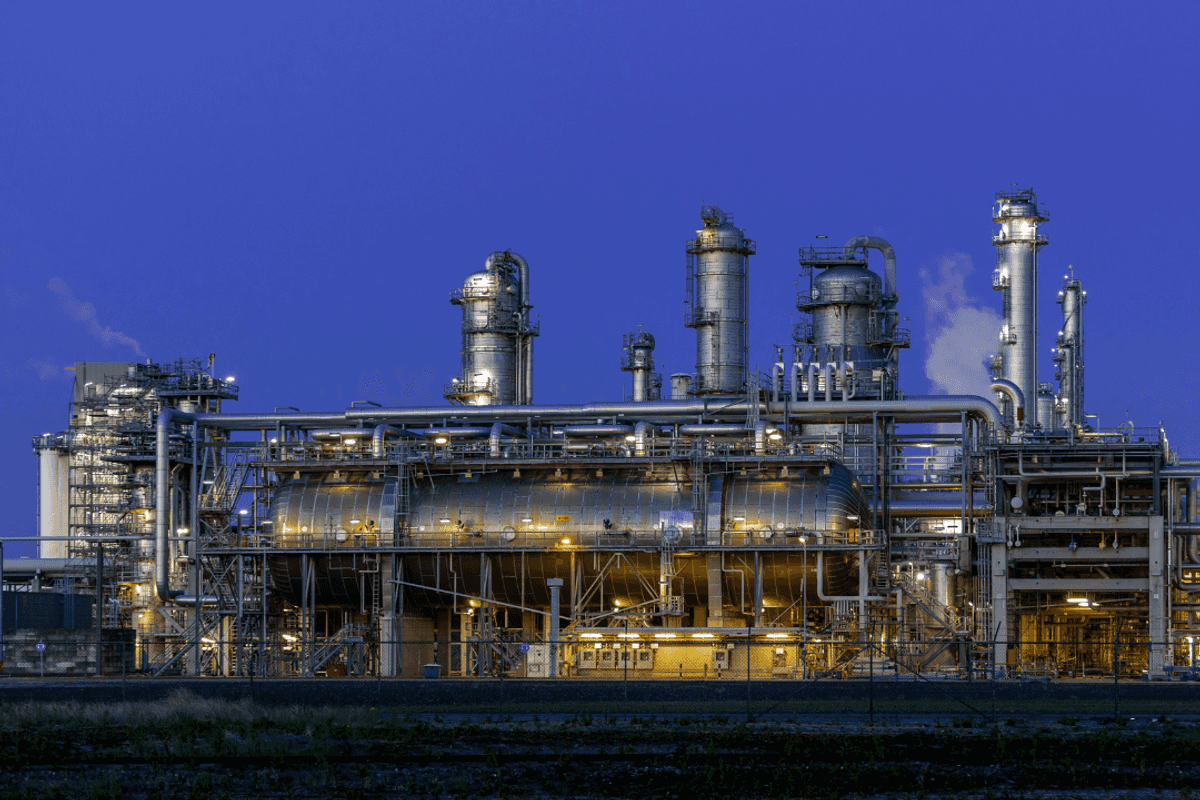
The previous levy structure had worsened the energy sector’s circular debt problem by driving industrial consumers away from the gas network
The Pakistan Petroleum Exploration and Production Companies Association (PEPPCA) has welcomed the government’s decision to sharply reduce the captive gas levy, describing the move as a major reform for the country’s energy and industrial sectors.
While talking to Nukta, PEPPCA Secretary-General Ibrar Khan credited Petroleum Minister Ali Pervaiz Malik for securing the reduction, saying the decision was delivered “quietly, decisively, and against odds that most policymakers prefer not to engage”.
Until this month, the captive power plant levy stood at PKR 1,303 per million British thermal units (mmBtu), based on the peak B3 industrial electricity tariff under a pricing methodology that industry stakeholders argued had ceased to function effectively as a price signal.
According to Ibrar Khan, the levy had become “a structural penalty on industrial gas consumption,” pricing efficient plants out of operation, weakening gas demand and pushing Sui gas companies’ losses beyond PKR 104 billion during the first half of the fiscal year.
After the proposal was discussed by the minister during the International Monetary Fund’s third review, the levy methodology was revised to reflect a weighted average of peak and off-peak B3 tariff rates.
The revised levy now stands at around PKR 522 per mmBtu, representing a reduction of nearly 60%.
“This was not a minor concession,” Ibrar Khan said. “It was the dismantling of a policy instrument that had outlived its original logic.”
Impact on gas producers and utilities
According to the association, the previous levy structure had worsened the energy sector’s circular debt problem by driving industrial consumers away from the gas network and weakening demand for indigenous gas production.
Ibrar Khan added that reduced industrial offtake led to RLNG being diverted to subsidized sectors, while unpaid receivables accumulated on the balance sheets of exploration and production companies.
“Aged receivables become deferred development. Deferred development becomes lost reserves and lost national output.”
The association also said gas utility companies were affected because lower industrial consumption reduced throughput and system utilization, weakened revenue recovery and increased unpaid receivables across the supply chain.
PEPPCA said the revised levy could help restore demand, improve utility cash flows and create a more sustainable framework for gas procurement and settlement.
Relief for industrial consumers
The association said captive power consumers, particularly textile manufacturers, had spent more than two years operating under gas prices that made them uncompetitive in regional export markets.
According to PEPPCA, competing industries in India, Bangladesh, and China had access to gas priced between $6 and $9 per mmBtu, while Pakistani exporters faced significantly higher effective costs.
The association said captive gas consumption declined sharply during the period, while RLNG surpluses increased and pressure mounted on Pakistan’s textile exports.
PEPPCA noted that the All Pakistan Textile Mills Association and the Pakistan Textile Council had publicly welcomed the reduction in the levy and acknowledged the Petroleum Ministry’s role in the decision.
Ibrar Khan said the federal minister pursued the proposal through technical engagement with the IMF rather than public campaigning.
“He raised the proposal at the third review with documented evidence, but the IMF deferred [the decision],” Ibrar Khan said about the minister’s efforts.
“He returned with sharper data, pressed the case, and converted a deferral into approval.”
PEPPCA said reform of this scale also required technical support from the Petroleum Division, Finance Division and regulators involved in the process.
Industry expects broader economic benefits
The association said the revised levy represents a “balanced, win-win outcome” for stakeholders by allowing exploration and production companies to optimize gas production through stronger industrial demand.
PEPPCA said the decision is expected to improve cash-flow discipline across the energy chain, help contain circular debt and reduce fiscal and tariff distortions linked to cross-subsidization.
The association added that a more sustainable gas market could support broader industrial activity, protect employment and generate wider economic benefits.



Comments
See what people are discussing