

Pakistan seeks spot LNG cargoes as Middle East conflict disrupts flows
Power shortages prompt first spot tender since 2023 despite higher price risks

Haris Zamir
Business Editor
Experience of almost 33 years where started the journey of financial journalism from Business Recorder in 1992. From 2006 onwards attached with Television Media worked at Sun Tv, Dawn Tv, Geo Tv and Dunya Tv. During the period also worked as a stringer for Bloomberg for seven years and Dow Jones for five years. Also wrote articles for several highly acclaimed periodicals like the Newsline, Pakistan Gulf Economist and Money Matters (The News publications)
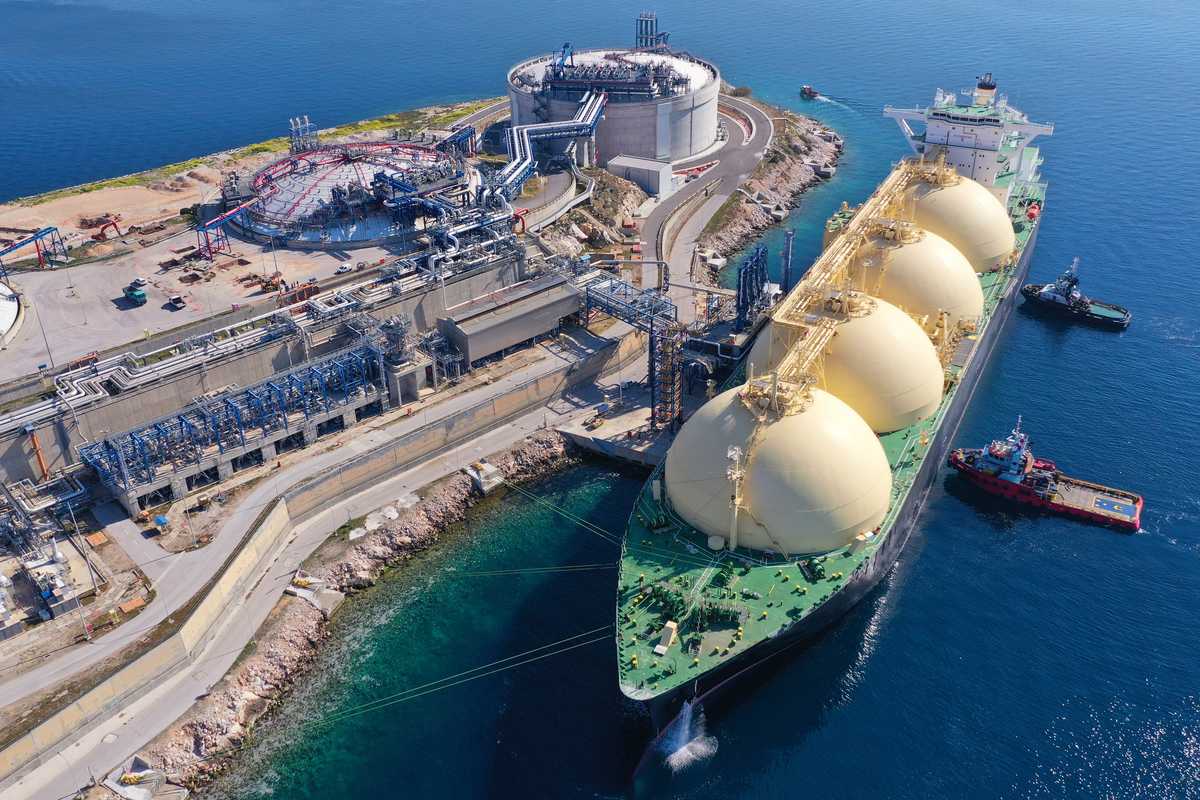
Pakistan LNG Limited, the country’s state-run company, has invited bids for three spot cargoes of liquefied natural gas, its first such move since 2023, as flows have been hampered by the conflict in the Middle East.
The country plans to import the first shipment of 140,000 cubic meters in a delivery window of April 27-30, while two additional cargoes are scheduled for May, in windows of May 1-7 and May 8-14, according to information posted on the company’s website. Companies can submit bids by April 24.
Mohammed Waqas Ghani, head of research at JS Global, said that the government has floated spot LNG tenders to offset curtailed imports due to supply constraints linked with Qatar and declining hydropower ahead of peak summer demand.
Despite elevated prices, spot LNG remains a more viable short-term option, as furnace oil based generation is even more expensive and would further strain the power tariff, he said.
RLNG supply to Pakistan has been severely disrupted following the closure of the Strait of Hormuz amid the ongoing U.S.-Iran conflict. While QatarEnergy had previously declared force majeure and suspended contracted deliveries, it has since dispatched four RLNG cargoes toward Pakistan; however, these vessels remain unable to transit the Strait due to the US naval blockade currently in effect. Pakistan has consequently been forced to seek RLNG on the spot market to cover the shortfall, he added.
Bazif Memon, equity research analyst at Optimus Capital Management, said that RLNG is critical to Pakistan's energy and food security. On the power side, a significant portion of the country's electricity generation capacity runs on RLNG, given its cost advantage over furnace oil in the merit order dispatch, said Memon.
On the agriculture side, three out of 10 domestic fertilizer plants rely on RLNG as their primary feedstock for urea production. Any sustained disruption therefore carries a dual risk: higher electricity tariffs and/or load shedding on one hand, and urea supply constraints threatening the upcoming cropping season on the other, pressures that are, to varying degrees, already materializing, he added.
Supply disruption and demand
Power Minister Awais Leghari said in a televised address on April 16 that Pakistan may consider spot LNG purchases as it faces a daily electricity shortfall of about 4,000 megawatts, with around 3,000 MW attributed to the closure of regasified LNG-powered electricity units.
He said LNG flows into the country have been disrupted due to developments in the Middle East.
While purchasing spot LNG cargoes remains an option, Leghari cautioned that it could lead to higher prices.
Contractual cargoes are available at about $16 per million British thermal units, he said, while spot purchases could cost between $22 and $25 per MMBtu, potentially increasing the burden on consumers.
Import trends and contracts
Pakistan typically imports about nine to 10 LNG cargoes each month from Qatar under long-term contracts.
LNG imports in the nine months ended March 31 fell to $1.884 billion from $2.682 billion during the same period a year earlier, according to data from the Pakistan Bureau of Statistics released on April 16.
The country has two contracts with Qatar: a 15-year agreement ending in January 2031 with a Brent slope of 13.37%, and a 10-year contract maturing in December 2032 with a Brent slope of 10.2%.




Comments
See what people are discussing