

Qatar LNG tanker Al-Kharaitiyat crosses Strait of Hormuz bound for Pakistan
Qatari LNG tanker Al-Kharaitiyat is crossing the Strait of Hormuz toward Pakistan's Port Qasim in the first confirmed passage since regional conflict began

Haris Zamir
Business Editor
Experience of almost 33 years where started the journey of financial journalism from Business Recorder in 1992. From 2006 onwards attached with Television Media worked at Sun Tv, Dawn Tv, Geo Tv and Dunya Tv. During the period also worked as a stringer for Bloomberg for seven years and Dow Jones for five years. Also wrote articles for several highly acclaimed periodicals like the Newsline, Pakistan Gulf Economist and Money Matters (The News publications)
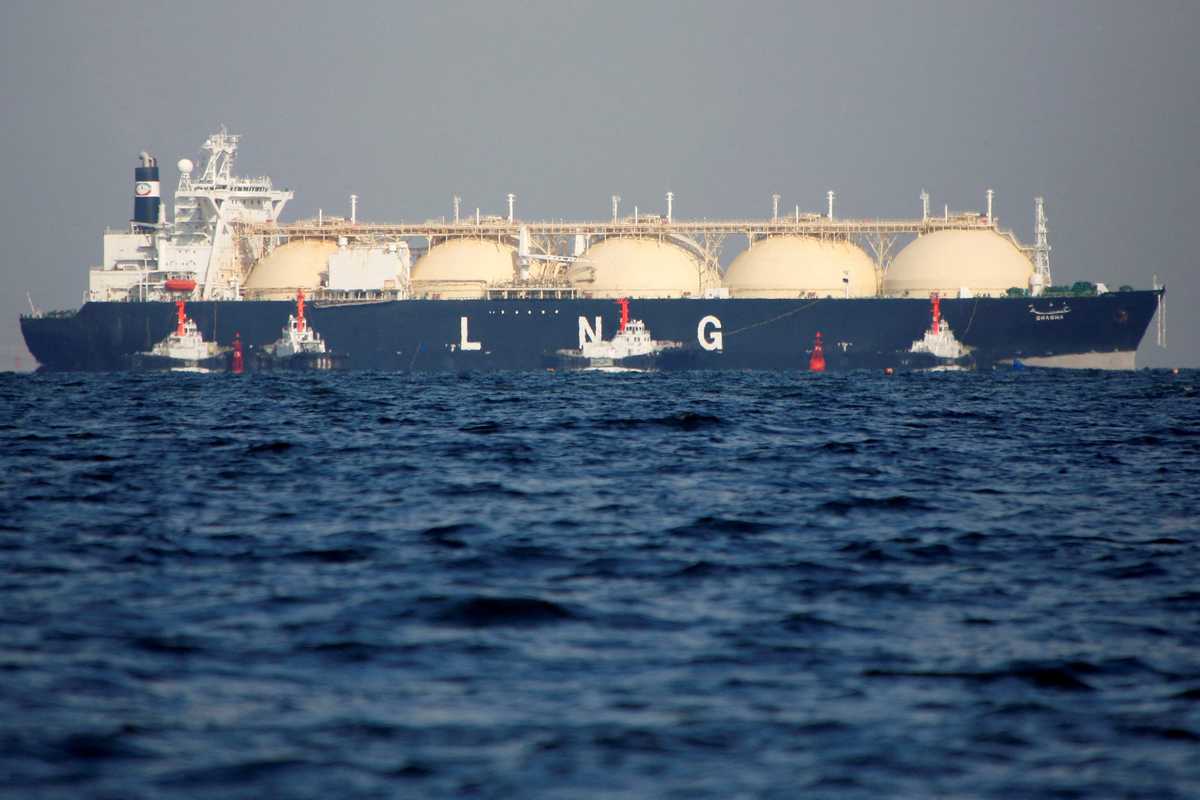
The Qatari LNG tanker Al-Kharaitiyat has crossed the Strait of Hormuz and is heading toward Pakistan's Port Qasim in Karachi, according to navigational data from the open-source tracking platform Marine Traffic.
The vessel departed Ras Laffan, Qatar's major LNG export hub, and marks the first confirmed crossing since the outbreak of regional conflict in the Gulf.
What is the Al-Kharaitiyat and why does its crossing matter?
The Al-Kharaitiyat is a Qatari LNG carrier making what is considered the first successful Qatari LNG passage through the Strait of Hormuz since recent regional conflict began.
Its movement is a closely watched test of whether regular energy shipments from the Gulf can resume, with Pakistan facing mounting pressure to secure fuel supplies for power generation during peak summer demand.
Where does Pakistan get its LNG from?
Pakistan imports LNG primarily from Qatar, with Ras Laffan serving as the main loading point for cargoes destined for Port Qasim. The Strait of Hormuz, located between Oman and Iran, is the only viable maritime route for those shipments.
A significant share of the world's oil and LNG trade passes through the strait, making any disruption to it an immediate concern for energy-importing nations like Pakistan.
Al Jazeera also reported the vessel's movement, citing shipping data. Iran reportedly approved the vessel's passage along a northern shipping corridor near Qeshm and Larak islands, close to Iranian waters.
Why was Pakistan's LNG supply disrupted?
Officials in Islamabad said at least two LNG cargoes loaded in Qatar were stranded near the strait due to security-related movement restrictions.
Earlier in May 2026, other Qatari cargo ships were forced to turn back due to security threats in the corridor. The uncertainty pushed the government to return to the spot LNG market to prevent potential shortages during the summer.
Pakistan LNG Limited (PLL) on Saturday floated a fresh tender seeking two spot LNG cargoes for delivery at Port Qasim.
The state-owned company invited bids from international suppliers for two cargoes of 140,000 cubic meters each on a Delivered Ex-Ship basis. The cargoes are required for delivery during May 12-16 and May 24-28, with the bid submission deadline set for May 11.
Why did Pakistan reject earlier LNG bids?
The latest tender is PLL's second spot purchase attempt this week, after the government rejected bids under an earlier tender floated on May 6.
In that round, offers from BP Singapore and TotalEnergies Gas & Power were among the lowest quoted rates but were turned down. TotalEnergies had offered LNG at $16.98 per million British thermal units, while BP Singapore quoted $17.28 per MMBtu.
Other bids came from SOCAR Trading, PetroChina International Singapore, Vitol Bahrain and OQ Trading at higher rates.
Officials defended the rejection, saying they expected regional tensions to ease and Qatari cargo movements to resume, which could lower spot prices.
How severe is Pakistan's current energy shortage?
Power Minister Awais Leghari recently said Pakistan faced a 3,400-megawatt electricity shortfall because five LNG-based power plants were offline.
Pakistan's LNG demand has risen due to higher electricity consumption during summer and reduced domestic generation capacity. Energy officials expect the country to require four to five LNG cargoes per month through August to meet power needs, alongside industrial demand.
The arrival of the Al-Kharaitiyat at Port Qasim is being closely watched as an indicator of whether regular LNG flows through the Strait of Hormuz can resume despite ongoing regional tensions.




Comments
See what people are discussing