

Pakistan to deregulate petroleum sector as Hormuz crisis exposes supply vulnerabilities
Petroleum minister says every company should set its own prices and do its own procurement

Ali Hamza
Correspondent
Ali; a journalist with 3 years of experience, working in Newspaper. Worked in Field, covered Big Legal Constitutional and Political Events in Pakistan since 2022. Graduate of DePaul University, Chicago.
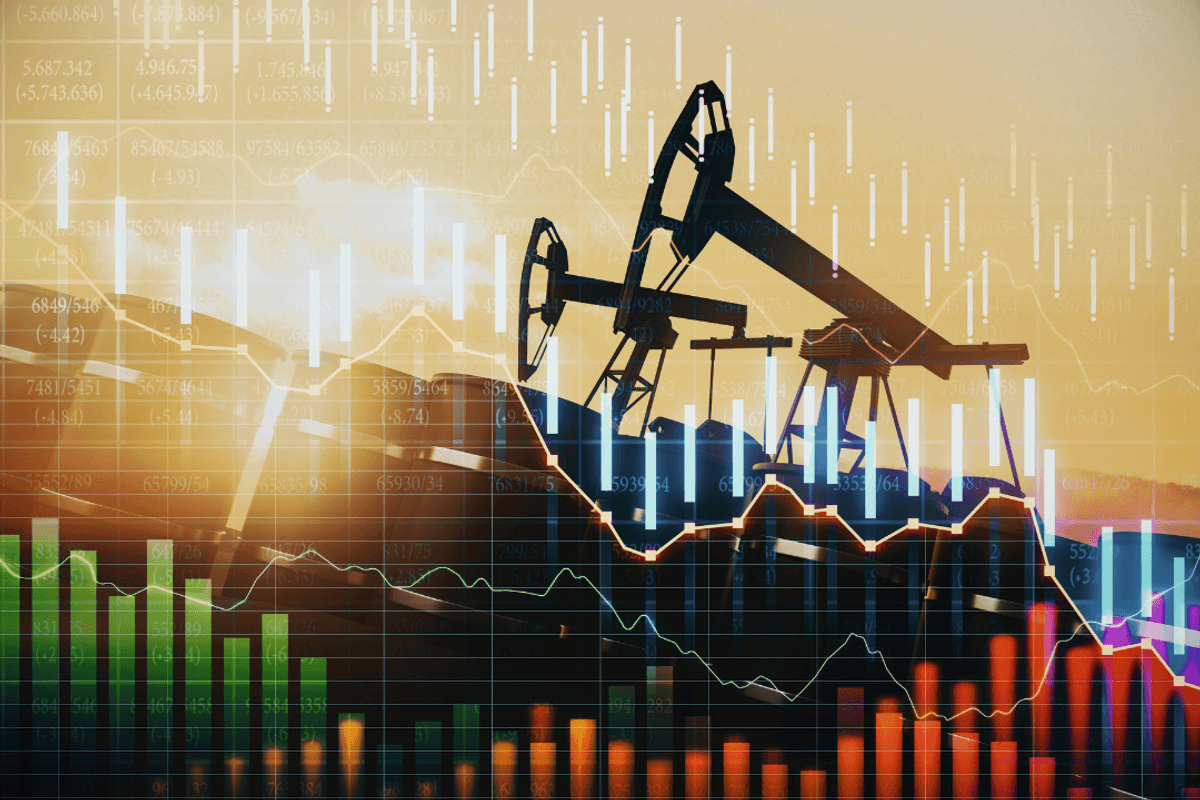
Pakistan lacks strategic petroleum reserves, making it highly vulnerable to external shocks
Petroleum Minister Ali Pervaiz Malik told a Senate committee that the government plans to gradually deregulate the petroleum sector, allowing market forces to operate independently and reducing state involvement in procurement and pricing.
The announcement came as Pakistan grapples with severe supply disruptions caused by the closure of the Strait of Hormuz during the US-Iran conflict.
What is Pakistan's plan to deregulate the petroleum sector?
Malik said the government's goal is for each oil marketing company to conduct its own procurement and set its own prices without government intervention.
Pakistan currently controls supply through a licensing regime that requires companies to maintain minimum stock levels, which Malik described as the only existing safeguard for public supply.
The government lacks strategic petroleum reserves, making it highly vulnerable to external shocks.
Where does Pakistan import its crude oil, petrol, diesel, and LNG from?
Pakistan imports approximately 9.3 million tonnes of crude oil annually. Saudi Arabia supplies 47% and the UAE 45%, with smaller suppliers covering the remainder.
For refined petrol, the UAE provides 52%, Singapore 16%, and Oman 11%, all through Pakistan State Oil.
Diesel supply follows a different pattern, with around 80% sourced from Kuwait under a long-term PSO contract.
LNG is entirely imported from Qatar. Liquefied petroleum gas comes from multiple sources, with 55% arriving by land route, 21% produced domestically, and 15% imported.
How did the Strait of Hormuz closure affect Pakistan's LNG supply?
According to data submitted to the committee, approximately 100% of Pakistan's LNG supply from Qatar was impacted by the Strait of Hormuz closure after Qatar sent a force majeure indication on March 2, 2026.
Pakistan normally receives nine cargoes from Qatar and one from ENI under long-term contracts each month. In CY2026, Pakistan had managed to divert 24 cargoes from Qatar and 11 from ENI to manage surplus gas before the disruption hit.
With Qatari cargoes unavailable, regasification rates at both LNG terminals were reduced to a minimum of 100 MMCFD to preserve remaining inventory.
Regasification was suspended entirely at both terminals by the end of March 2026. PLL then initiated a spot tender on April 23, procuring one cargo for delivery in the April 27-30 window at $18.4 per MMBtu, which was delivered at the PGPCL terminal on April 30.
How did the crisis drive up Pakistan's fuel and shipping costs?
Insurance premiums jumped from $2 million to $15 million per shipment, while shipping premiums escalated from $5 to $50 per barrel.
Ships became stranded in the Strait of Hormuz, while others refused to enter the waterway, constraining supply and driving prices higher. To maintain required inventory levels during the price spike, the government provided liquidity support to oil marketing companies.
The Prime Minister established enforcement teams from the Oil and Gas Regulatory Authority, the Directorate General of Logistics, and the Federal Investigation Agency to verify that companies maintained required stock levels.
Why did Pakistan raise fuel levies during the crisis?
Malik said the government imposed fuel levies as part of its IMF bailout program obligations. The last budget required Pakistan to add PKR 80 per liter in levy on both petrol and diesel, with the IMF granting a one-month waiver on the diesel levy that has now expired.
Following the waiver's expiry and ahead of the IMF board review, the government had to implement the full levy structure or risk jeopardizing program approval.
The petrol levy currently stands at PKR 127 per liter.
"No government makes the decision to raise fuel prices out of choice," Malik said.

Comments
See what people are discussing