


News Desk
The News Desk provides timely and factual coverage of national and international events, with an emphasis on accuracy and clarity.
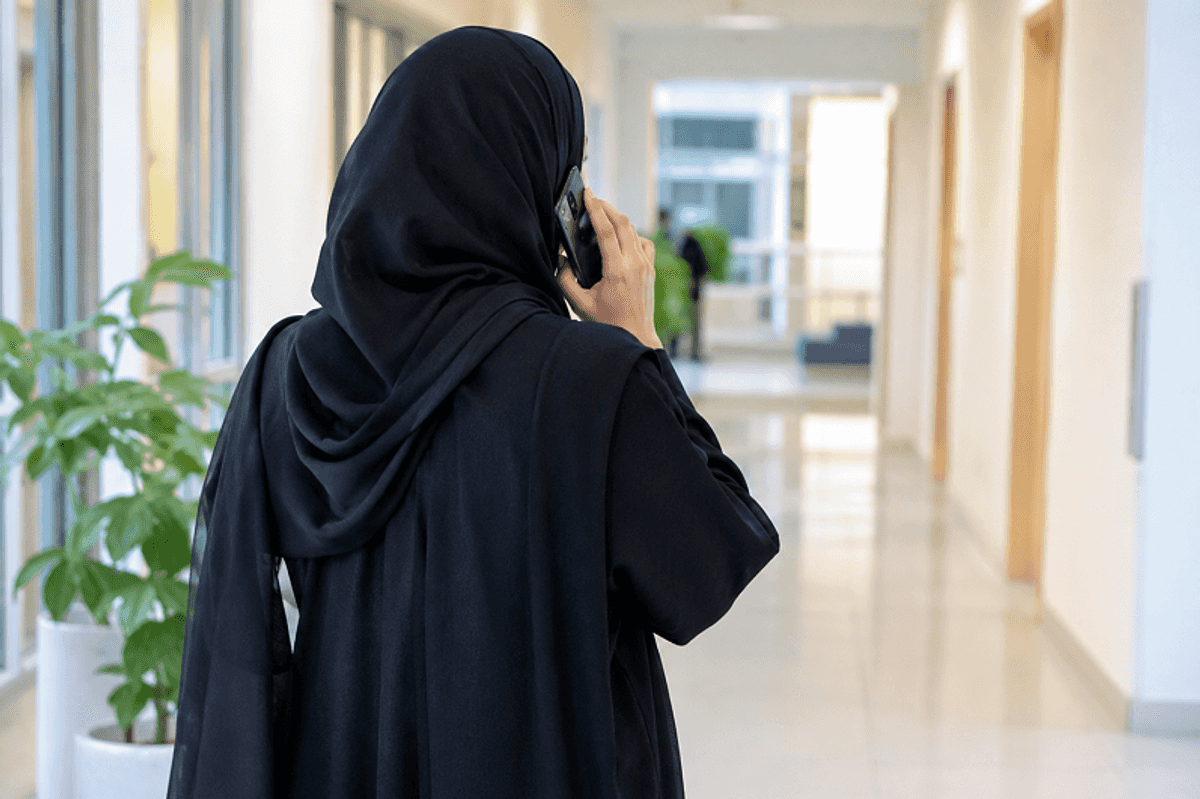
The framework sets common safety standards for Dubai's private schools, covering teacher conduct, reporting and student protection.
AI-generated
Dubai’s Knowledge and Human Development Authority (KHDA) has barred teachers and other staff at private educational institutions from contacting students through personal mobile phones, private WhatsApp accounts or social media profiles.
Announced on November 13, the safeguarding rules aim to keep staff interactions with learners within monitored channels, Gulf News reported.
Can teachers in Dubai use personal phones to contact students?
No. Under the new KHDA safeguarding policy, all teaching and communication with students in Dubai’s private institutions must take place through approved devices and platforms. Personal mobile phones, private WhatsApp accounts and social media profiles are barred, so every professional interaction stays within monitored channels.
The Policy Framework for Safeguarding and Learner Protection introduces common protection standards across Dubai’s private education sector. It covers professional conduct, reporting procedures and measures to prevent harm to learners.
Which institutions and staff does the Dubai teacher phone ban cover?
The restrictions apply to all KHDA-permitted private educational institutions, including nurseries, schools, universities, higher education providers and vocational training centers. They also cover virtual learning environments. The rules extend to coaches, volunteers and third-party contractors working with students.
Beyond digital communication, the framework prohibits personal or secretive relationships with learners. It also sets boundaries on gifts, preferential treatment, photography and social media content involving students. Institutions must establish appropriate supervision arrangements for one-to-one interactions.
What else does the safeguarding framework require?
The framework introduces wider institutional oversight, including the appointment of a safeguarding governor at board level and a designated safeguarding lead or child protection coordinator. Institutions must monitor staff suitability throughout their employment and ensure employees acknowledge their safeguarding responsibilities.
It also addresses emerging risks, including cyberbullying, online grooming, digital coercion and the misuse of artificial intelligence.
KHDA has allowed institutions up to 12 months to implement the requirements. This gives them time to revise internal policies, train staff and strengthen existing safeguarding procedures.





Comments
See what people are discussing