

Electricity to become more expensive in Pakistan as govt imposes fixed charges
The revised tariff will enable the government to collect an additional PKR 132 billion annually

Business Desk
The Business Desk tracks economic trends, market movements, and business developments, offering analysis of both local and global financial news.
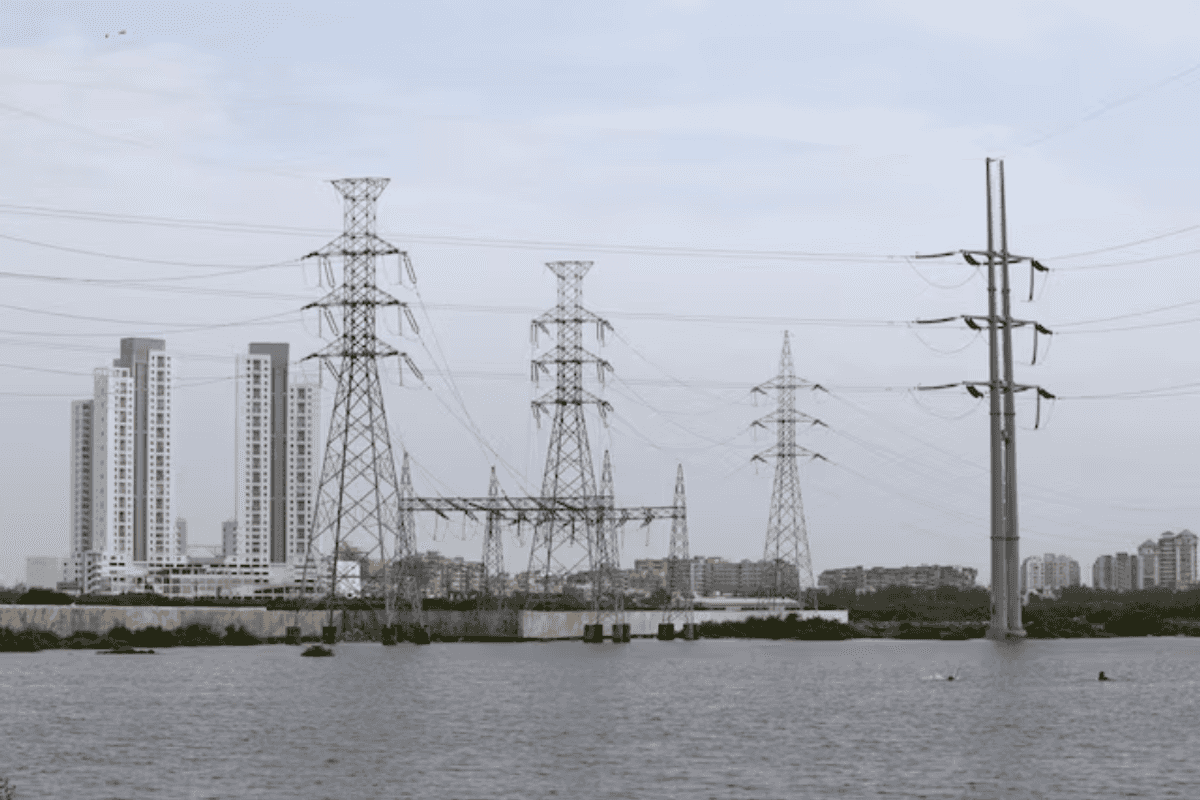
The National Electric Power Regulatory Authority (Nepra) has allowed the federal government to impose fixed monthly charges on domestic electricity consumers, including protected users consuming up to 300 units, as part of a tariff rationalization plan aimed at reducing subsidy burdens in the power sector.
According to Nepra, the revised tariff will enable the government to collect an additional PKR 132 billion annually, increasing fixed-charge revenue to PKR 355 billion from PKR 223 billion. As a result, total annual subsidies and cross-subsidies are expected to decline from PKR 629 billion to PKR 527 billion.
In a decision issued on the Power Division’s request, the regulator approved fixed charges of up to PKR 350 per month for consumers using up to 300 units. Previously, fixed charges were applicable only to non-protected consumers using more than 300 units per month.
Under the new structure, protected domestic consumers using 1-100 units per month will pay PKR 200 per kW in fixed charges, while those consuming 101-200 units will pay PKR 300 per kW.
For non-protected consumers, fixed charges have been set at PKR 275 per kW for 1-100 units, PKR 300 per kW for 101-200 units, and PKR 350 per kW for 201-300 units.
Fixed charges for non-protected consumers using 301-400 units have been increased by PKR 200 to PKR 400 per kW per month. For those consuming 401-500 units, charges have been raised by PKR 100 to PKR 500 per kW. Consumers using up to 600 units will pay PKR 675 per kW, reflecting an increase of PKR 75.
However, relief has been provided to higher-end consumers. Fixed charges for users consuming up to 700 units have been reduced by PKR 125 to PKR 675 per kW, while those using more than 700 units will see a reduction of PKR 325 per kW, also bringing their fixed charges down to PKR 675.
Nepra said the current tariff design is largely based on per-unit consumption, with over 93% of system costs recovered through volumetric charges, despite a significant portion of costs, including capacity payments and transmission charges, being fixed in nature.
The regulator said the revised framework aligns with the National Electricity Plan, which envisions gradually increasing the share of fixed charges to better match fixed costs, particularly amid declining grid demand due to rooftop solar adoption.
The decision also includes reductions in variable per-unit tariffs. Domestic consumers using up to 400 units will receive relief of PKR 1.53 per unit, while industrial categories will see reductions of up to PKR 4.58 per unit.
The decision has been forwarded to the federal government for notification within 30 days. Nepra said that if the government fails to notify the revised tariff within the stipulated period, the authority will publish it in the official Gazette.





Comments
See what people are discussing