

Aligning Pakistan’s energy policy with economic and climate realities
Pakistan’s energy landscape is undergoing a significant transition, and policy decisions must keep pace with economic pressures and climate considerations

Azeem Bilwani
Group Head, Crude Oil & Pricing, PARCO
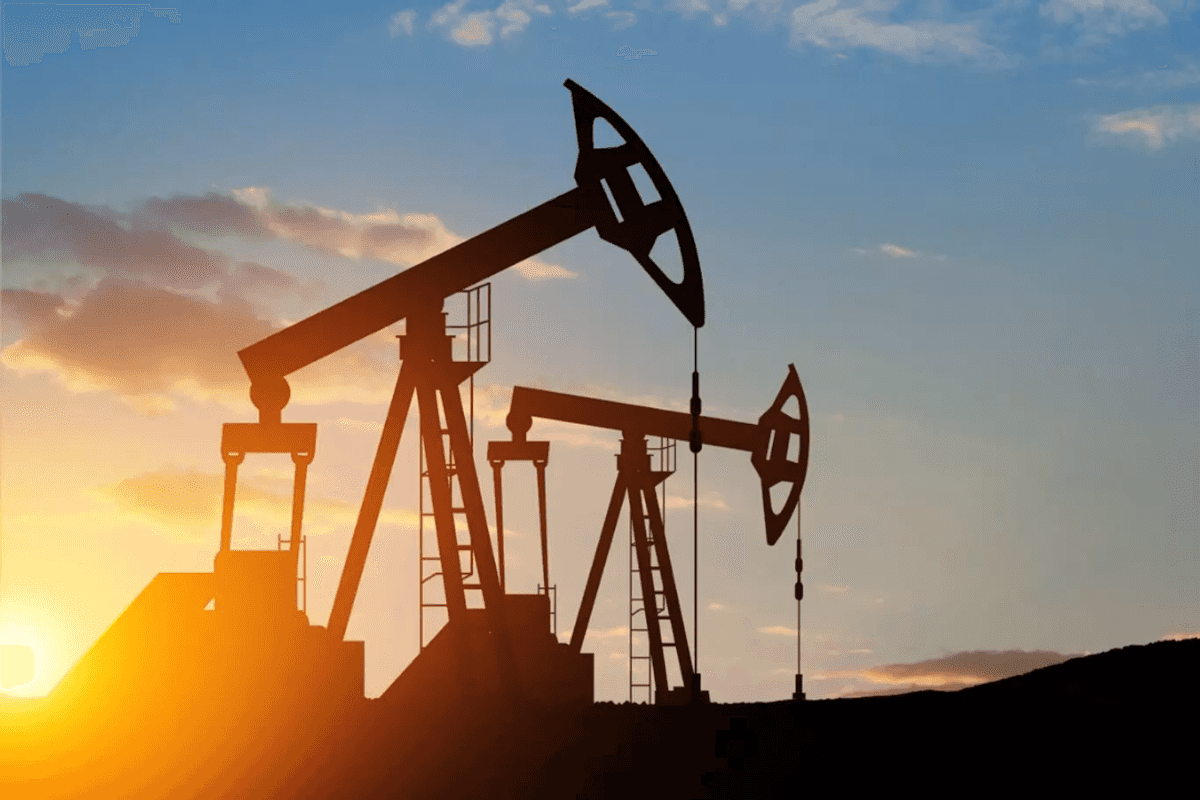
Pakistan has imposed a PKR 85,000 per metric ton levy to discourage the consumption of furnace oil
File
Pakistan’s energy landscape is undergoing a significant transition, and it is important to revisit this topic to ensure that policy decisions keep pace with both economic pressures and climate considerations.
Due to negligible domestic demand, refineries have already optimized their crude recipes to minimize Furnace Oil (FO) production. As a result, most of this FO is now being exported to the Middle East and beyond.
From July 1, a Petroleum Levy and Carbon Levy of PKR 85,000 per metric ton has been imposed to further discourage FO consumption by captive power users. While this temporarily shifted some demand to the national grid, this effect is unlikely to sustain as industries increasingly pursue more efficient and cost-effective energy alternatives, particularly given the high cost of grid electricity.
However, the levy has created several unintended consequences for the industry. Here's a brief review of the disruption:
A surge in FO exports and unnecessary HSD consumption
Nearly half of FO export volumes from upcountry refineries are trucked to Karachi ports using HSD run bowsers. A single tank lorry averages 4 kilometers per liter and burns roughly 500 liters of HSD per round trip to transport 40 tons of FO. This results in an estimated waste of more than USD 500,000 per month purely in avoidable transportation fuel.
Depressed FO prices in the Middle East
Excess FO exports from Pakistan have contributed to price softness in regional markets. Between July and November, crude prices corrected by about 5%, while FO prices declined by nearly 18%.
Missed opportunity to support domestic industry
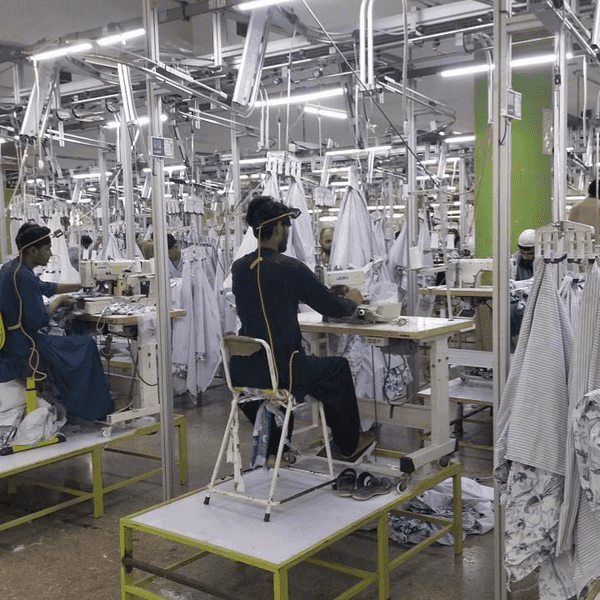
Pakistan’s goods exports stood at only USD 2.3 billion in November, reflecting significant challenges for the industry amid an unfavorable business environment. Instead of exporting FO at depressed prices, supplying it locally as a cheaper energy source could improve industrial competitiveness and reduce production costs.
Strategic storage potential being overlooked
Tankage currently tied up for FO exports can be converted and offered to friendly nations for building strategic crude storage in Pakistan. This would be a far more productive and long-term value-adding use of existing infrastructure.
Port congestion and avoidable demurrage
Reducing FO export volumes will ease port congestion, help streamline white oil imports, and minimize demurrage exposure. This would save valuable foreign exchange.
The bigger picture
Pakistan’s carbon footprint is already relatively low and is expected to decline further as surplus RLNG procurement phases out next year. Meanwhile, solar uptake across industries and households continues to grow. These trends strengthen Pakistan’s case for accessing international climate support financing.
A thoughtful recalibration of our FO policies can help Pakistan save foreign exchange, support industrial competitiveness, reduce logistical inefficiencies and unlock long term strategic benefits, all while maintaining our environmental commitments.




Comments
See what people are discussing