

Fitch sees crypto offerings in Islamic finance expanding, cites Malaysia and UAE
Sharia scholars remain split on crypto compliance, and most rated Islamic banks have yet to build material revenue from digital-asset trading, Fitch says

Business Desk
The Business Desk tracks economic trends, market movements, and business developments, offering analysis of both local and global financial news.
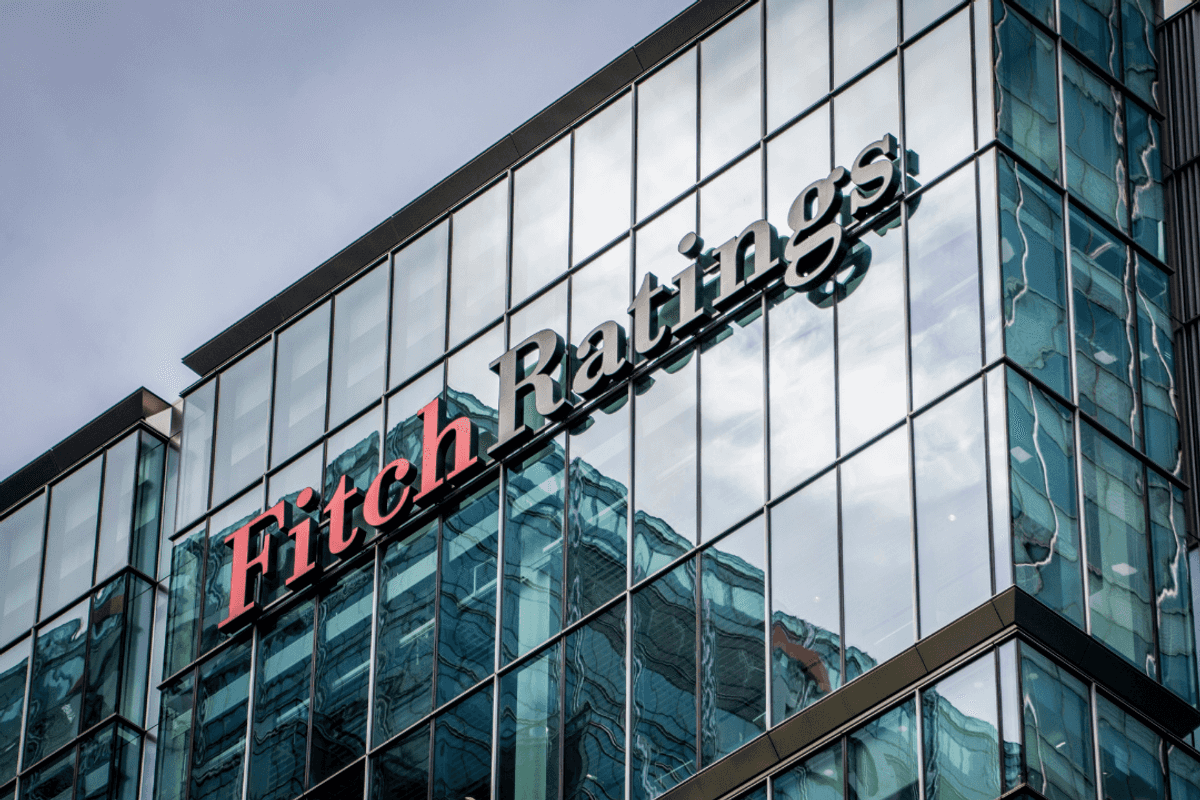
Fitch Ratings said in a Sept. 14 report that crypto offerings in Islamic finance will continue expanding gradually in some jurisdictions, citing Malaysia and the UAE as leading examples, supported by regulatory strategies and national sharia rulings. However, adoption elsewhere will likely stay uneven due to divergent religious interpretations, limited standard-setting guidance and cautious bank participation.
What does Fitch say about crypto offerings in Islamic finance?
The report, titled "Regulation Supports Crypto in Select Islamic Markets; Guidance Differs," said Fitch expects gradual growth in cryptocurrency offerings within Islamic finance, driven by enabling regulations and sharia rulings in select markets. Broader digital-asset infrastructure and tokenisation initiatives may develop more readily than cryptocurrency trading in some markets.
How is Malaysia leading crypto adoption in Islamic finance?
Malaysia is among the more open jurisdictions for cryptocurrency adoption in Islamic finance. Its Shariah Advisory Council of the Securities Commission declared several cryptocurrencies sharia-compliant between 2020 and the first half of 2026, including bitcoin, ethereum, ripple and stellar. Ten digital asset players were regulated by the Securities Commission at the end of the first half of 2026, including exchanges, custodians and initial exchange offering operators.
Total trading value on regulated digital asset exchanges rose 23% year on year to over USD 4 billion in 2025, though that remains just 2.5% of domestic equity market value traded. Bank participation in Malaysia remains largely restricted to services for registered operators.
Why is the UAE becoming a hub for crypto in Islamic finance?
The UAE is emerging as a global hub for virtual assets. Transaction volumes across entities regulated by Dubai's Virtual Assets Regulatory Authority reached nearly USD 680 billion in 2025, while assets under management exceeded USD 2.5 billion. The authority had licensed over 55 virtual asset service providers as of September 2026.
In 2025, the Higher Shari'ah Authority of the Central Bank of the UAE deemed dealing in bitcoin permissible. Since then, a small number of UAE conventional and Islamic banks have begun offering cryptocurrency brokerage and custody services, placing the country ahead of most core Islamic finance markets in direct bank participation.
How are Bahrain, Qatar and Saudi Arabia approaching crypto?
Bahrain is also developing its crypto-asset ecosystem. As of September 2026, it had hosted nine crypto-asset service providers, several of them sharia-compliant, and the Central Bank of Bahrain licensed the country's first stablecoin issuer in June.
Qatar's digital-asset infrastructure has progressed more visibly than its cryptocurrency offerings, suggesting blockchain-based applications for sharia-compliant, asset-backed finance may gain traction sooner than bank-led cryptocurrency activity. Saudi Arabia, by contrast, has not enacted legislation governing cryptocurrencies.
Why are sharia views on cryptocurrency divided?
Sharia views on cryptocurrencies remain mixed. Some prominent sharia scholars consider them non-compliant with sharia principles, while others deem them permissible subject to certain conditions. As the market evolves, new types of cryptocurrencies continue to emerge, with differing views on their sharia compliance, and the absence of formal guidance from AAOIFI and the IFSB limits harmonization across jurisdictions.
How are Islamic banks involved in the cryptocurrency ecosystem?
A number of Islamic banks across the six GCC countries, Turkiye, Pakistan, Jordan and Egypt are indirectly involved in the cryptocurrency ecosystem by acting as payment gateways on licensed exchanges. However, most rated Islamic banks have not developed material revenue streams from cryptocurrency trading, brokerage, custody or financing.
Greater involvement could support fee income, Fitch said, but could also heighten reputational, liquidity, operational and compliance risks, including sharia-compliance risk.
What did Pakistan's fatwa say about cryptocurrency?
In Pakistan, Darul Ifta at Jamia Darul Uloom Karachi recently issued a fatwa signed by Sheikh Muhammad Taqi Usmani, chairman of the AAOIFI Sharia Board, stating that cryptocurrencies do not constitute wealth under sharia. This could weigh on the development of cryptocurrency offerings in Pakistan, and potentially other markets, Fitch said.



Comments
See what people are discussing