

Foreign inflows into Pakistan bonds more than double despite rate cuts
SCRA data show $307 million net inflows in 7MFY26, led by PIBs and T-bills

Business Desk
The Business Desk tracks economic trends, market movements, and business developments, offering analysis of both local and global financial news.
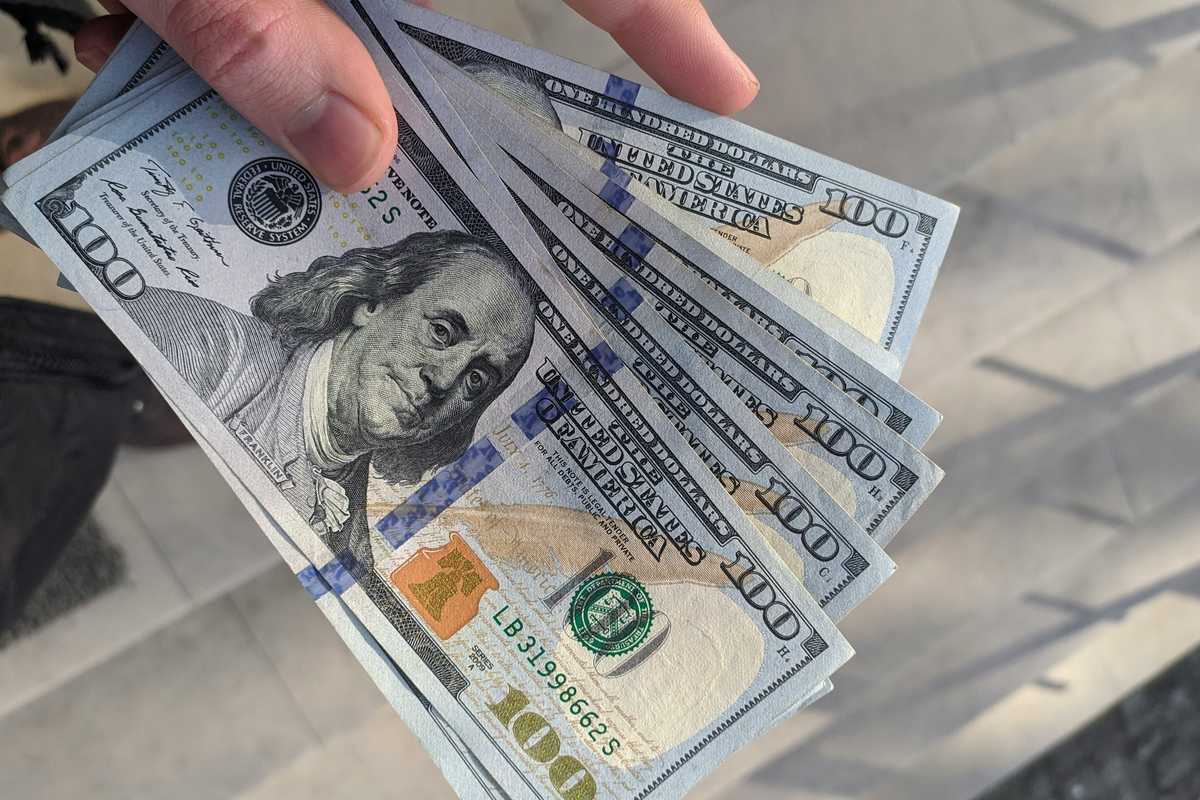
Foreign investors increased their exposure to Pakistan’s fixed-income market in the first seven months of fiscal year 2026, even as domestic interest rates declined sharply, according to State Bank of Pakistan (SBP) data on Special Convertible Rupee Accounts (SCRA).
Net inflows through SCRA reached $307 million during July-January FY26, marking a 106% year-on-year increase. The bulk of the flows were directed into Pakistan Investment Bonds (PIBs) and Treasury Bills (T-bills), the data showed.
January proved pivotal, with net inflows of $175 million — accounting for 57% of the total inflows recorded in the seven-month period. That compares with net outflows of around $50 million in January last year.
Typically, foreign participation in domestic debt markets is driven by so-called carry trades, in which investors channel capital from low-interest-rate economies into higher-yielding markets to capture rate differentials. Such flows tend to moderate when yields decline.
In Pakistan’s case, however, inflows strengthened despite yields falling by more than half over the past year from their peak levels. The trend persisted even after authorities introduced a longer minimum holding period of six months before investors can qualify for a lower tax rate.
The pattern suggests allocation decisions driven less by short-term rate arbitrage and more by improving investor sentiment, analysts say.
Market participants attribute the sustained inflows to relative currency stability, improving external account balances, policy continuity and ongoing engagement with foreign investors.
The data indicate growing confidence in Pakistan’s macroeconomic outlook, even as the monetary easing cycle reduces headline returns on government securities.



Comments
See what people are discussing