

FPCCI urges PM to suspend furnace oil levies as RLNG crisis drives electricity costs
FPCCI has written to PM Shehbaz urging emergency relief on furnace oil levies as Pakistan's electricity crisis deepens amid RLNG supply disruptions

Business Desk
The Business Desk tracks economic trends, market movements, and business developments, offering analysis of both local and global financial news.
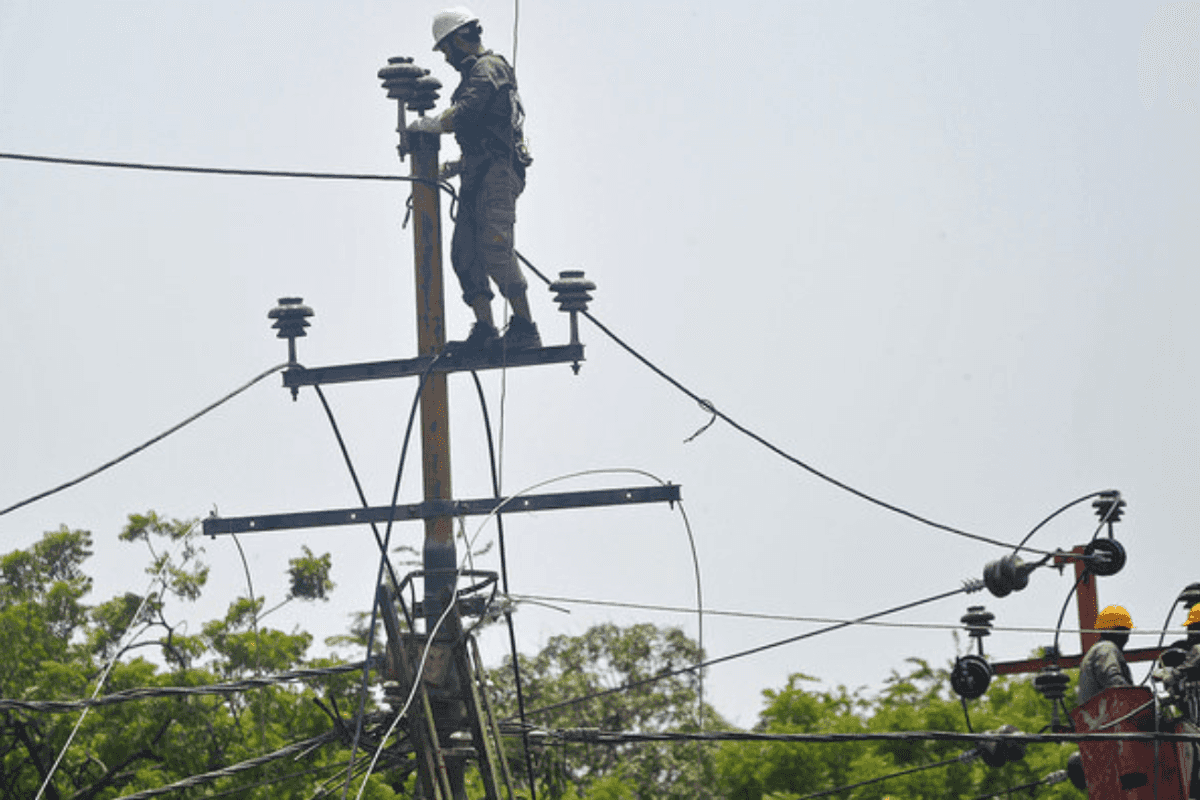
Pakistan's top business federation has written to Prime Minister Shehbaz Sharif urging immediate relief measures as a disruption to liquefied natural gas supplies forces a shift to expensive furnace oil generation, pushing electricity costs to between PKR 55 and PKR 65 per unit.
The Federation of Pakistan Chambers of Commerce and Industry warned Monday that the resulting tariff increases are threatening exports and industrial activity.
Why is Pakistan's electricity crisis worsening right now?
Pakistan's 6,000-megawatt RLNG-based power fleet is largely non-operational after the closure of the Strait of Hormuz and a force majeure declared by QatarEnergy following damage to Ras Laffan facilities.
To compensate, the national grid operator has directed furnace oil-fired plants, among the most expensive generation sources available, to run at near full capacity.
How have new taxes made the electricity crisis worse?
The Finance Act 2025 compounded the problem by introducing a petroleum levy of PKR 77 per litre and a carbon levy of PKR 2.5 per litre on furnace oil. Together, these amount to approximately PKR 84,742 per metric ton in government charges.
Combined with global furnace oil prices that have roughly doubled to around PKR 400,000 per metric ton, generation costs have reached levels the FPCCI describes as unviable for export industries.
Under existing rules, the National Electric Power Regulatory Authority is required to pass these higher costs to consumers through fuel cost adjustments. The FPCCI warned that the resulting tariff levels are making Pakistan's exports uncompetitive on global markets. Ordinary households, already strained by high utility bills, face additional financial pressure as a result.
What relief measures has FPCCI proposed to the government?
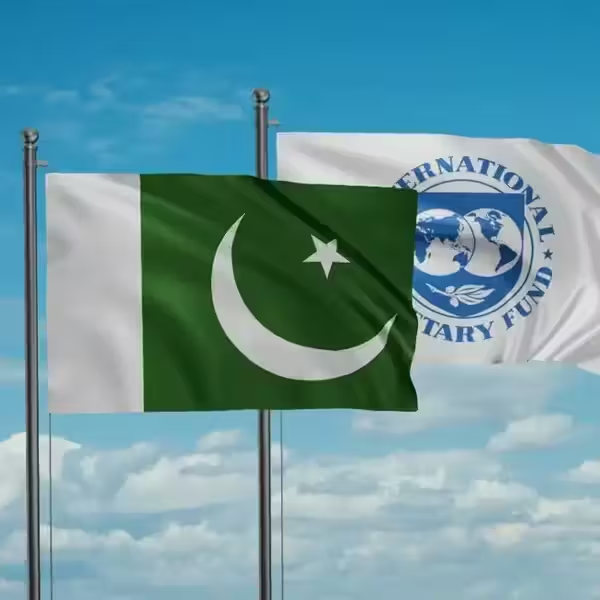
The FPCCI put forward two options for immediate action. The first is a temporary suspension of petroleum and carbon levies on furnace oil for the duration of the RLNG crisis, to be implemented through an emergency executive order while the government seeks accommodation from the International Monetary Fund.
The second option would redirect levy revenues collected on furnace oil used in power generation to offset fuel cost adjustments. Under this approach, funds would be transferred to the Central Power Purchasing Agency and applied as a targeted subsidy for electricity consumers.
Has Pakistan used levy revenues to reduce electricity tariffs before?
The FPCCI cited two recent precedents to support its proposal. A 2025 decision used petroleum levy proceeds to reduce electricity tariffs, while a separate move channelled captive gas levy revenues into tariff relief. Both measures received cabinet approval and did not draw objections from the IMF, the federation noted.
The FPCCI argued that the current crisis presents an even stronger case for the same approach, describing the furnace oil levy as an unintended burden imposed during an extraordinary supply disruption. It urged the government to act through existing mechanisms without delay. The group said it stands ready to supply technical and commercial data to support implementation, and expressed confidence that a solution can protect economic activity without undermining Pakistan's broader fiscal commitments.



Comments
See what people are discussing