

G7 nations agree to release 100 million barrels of emergency crude reserves amid global energy crunch
G7 leaders agreed to immediately release 100 million barrels of diesel and crude oil through the International Energy Agency to stabilize soaring global fuel prices, prompting US President Donald Trump to drop threats of a domestic diesel export ban

News Desk
The News Desk provides timely and factual coverage of national and international events, with an emphasis on accuracy and clarity.
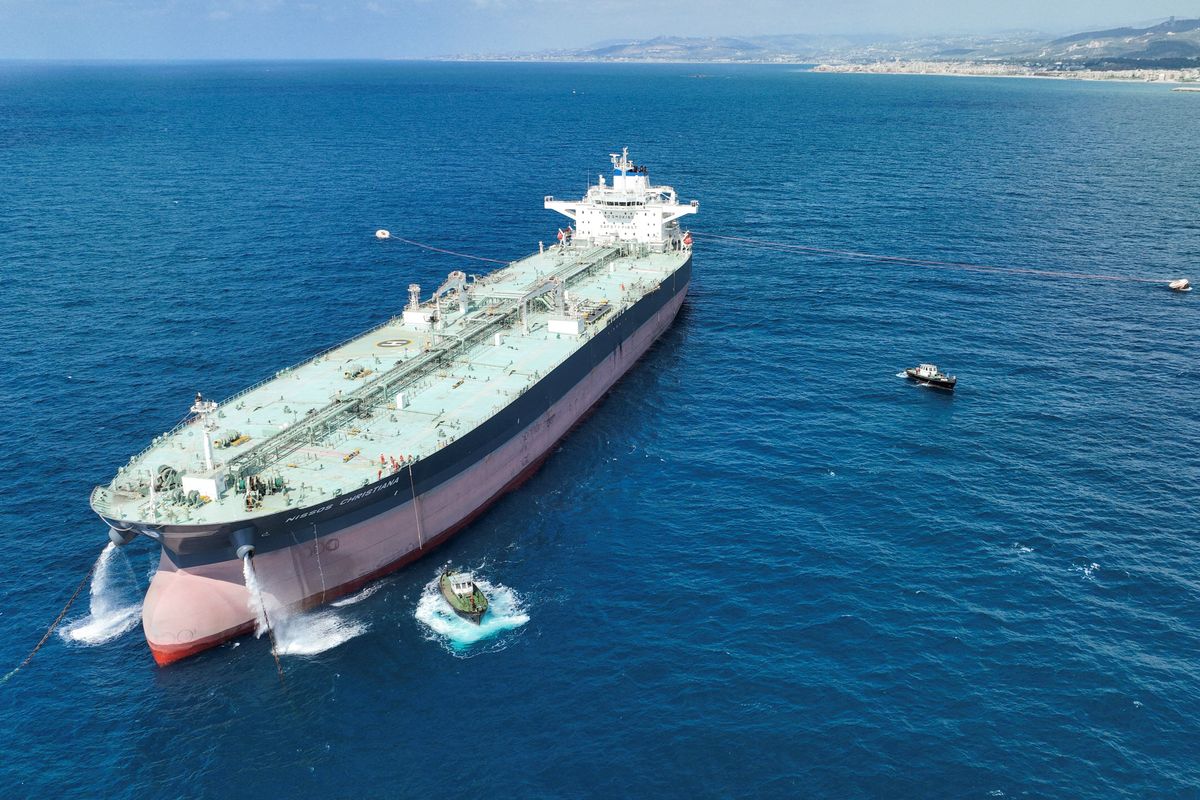
Group of Seven (G7) nations agreed on Friday to launch a coordinated emergency release of 100 million barrels of crude oil and refined diesel reserves to counter severe energy market supply disruptions driven by the ongoing war involving the US, Israel, and Iran.
How will the G7 emergency fuel release be executed?
Following a video conference convened by French President Emmanuel Macron, leaders from Britain, Canada, France, Germany, Italy, Japan, and the United States agreed to release the strategic reserves through the International Energy Agency (IEA). The drawdown will occur over a four-month period, beginning with a front-loaded release of refined diesel during the first 20 days to mitigate critical shortages affecting commercial transport, agriculture, and manufacturing across Europe and North America.
Following the announcement, international benchmark Brent crude dropped 1.5 percent to $100.80 per barrel, while West Texas Intermediate fell 2.7 percent to $90.40. IEA Executive Director Fatih Birol confirmed that member nations still hold approximately 80 percent of their total emergency reserves following a prior 400-million-barrel drawdown authorized earlier in the year.
How did Washington and international allies respond to export ban concerns?
The emergency conference followed days of acute diplomatic tension between Washington and European capitals over rising domestic fuel costs ahead of the US midterm elections in November.
In a joint statement released by President Macron’s office, G7 leaders pledged to refrain from imposing energy export bans or trade barriers between member states, while urging global oil producers to maintain open supply chains.
US President Donald Trump welcomed the agreement, confirming that Washington would no longer consider a previously floated ban on US diesel exports. Speaking at the White House, Trump praised European nations for contributing substantial diesel volumes from their national stockpiles.
G7 leaders also reaffirmed their commitment to maintaining strict economic sanctions against Russia while seeking to limit secondary spillovers into global fuel, natural gas, and fertilizer markets.
According to reporting by The National, European energy ministers are expected to meet next week in Brussels to monitor IEA distribution channels and review regional inventory levels.



Comments
See what people are discussing