

Global airlines hike fares as jet fuel prices surge
Middle East conflict disrupts air routes and pushes carriers to add fuel surcharges

Business Desk
The Business Desk tracks economic trends, market movements, and business developments, offering analysis of both local and global financial news.
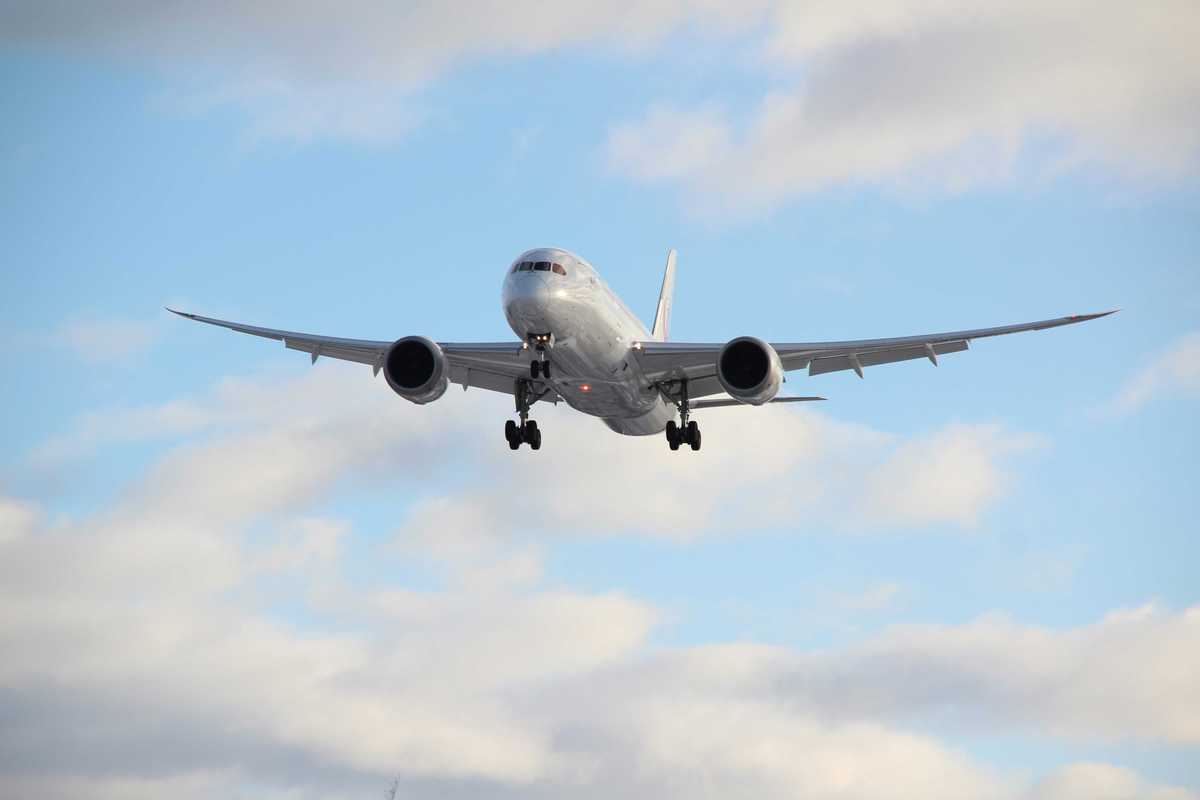
Airlines in Asia and Europe are raising ticket prices, adding fuel surcharges and revising flight schedules as a widening Middle East conflict drives jet fuel costs sharply higher and disrupts key global air routes, according to reports from Reuters and Al Jazeera.
Several carriers announced fare increases Tuesday as jet fuel prices surged following U.S. and Israeli strikes on Iran, pushing airlines to respond quickly to protect operations and manage rising costs.
Australia’s Qantas Airways, Scandinavia’s SAS and Air New Zealand were among airlines confirming price adjustments. Other carriers warned that ongoing instability could threaten fuel supplies and force additional schedule changes.
Jet fuel prices, previously between $85 and $90 per barrel before the strikes, have surged to roughly $150 to $200, Air New Zealand said. The airline also suspended its financial outlook for 2026 due to uncertainty surrounding the conflict.
“The increases of this magnitude make it necessary to react in order to maintain stable and reliable operations,” an SAS spokesperson said, describing the airline’s move as a “temporary price adjustment”, Reuters reported.
The war has also disrupted a key oil export corridor in the region, pushing airline costs higher and raising concerns about broader impacts on global travel demand.
Some airlines, including Lufthansa and Ryanair, have hedging strategies in place that lock in part of their fuel purchases at fixed prices, offering partial protection against volatile energy markets. SAS said it currently has no fuel consumption hedged for the next 12 months.
More complications than just fuel prices
Airspace tensions have added further complications. Flight tracking service Flightradar24 said aircraft arriving in Dubai were briefly placed in holding patterns Tuesday because of a potential missile threat before eventually landing safely.
Qantas said it was considering redeploying aircraft capacity toward European routes as airlines and passengers seek to avoid disruptions linked to the Middle East conflict.
Fares have already climbed sharply on Asia-Europe routes due to airspace closures and limited capacity. Hong Kong-based Cathay Pacific Airways said it would add additional flights to London and Zurich in March to meet demand.
Air New Zealand announced specific fare increases, including a rise of 10 New Zealand dollars ($6) for domestic one-way economy tickets, 20 New Zealand dollars ($12) on short-haul international routes and 90 New Zealand dollars ($53) on long-haul flights. The airline warned more adjustments could follow if fuel costs remain elevated.
Meanwhile, Hong Kong Airlines said it would increase fuel surcharges by up to 35.2% beginning Thursday, with the largest increases affecting flights between Hong Kong and destinations such as the Maldives, Bangladesh and Nepal.
Reaction to Trump's war announcement
Oil prices eased somewhat Tuesday, dropping to about $90 per barrel after peaking near $119 a day earlier. The decline followed comments by U.S. President Donald Trump suggesting the war could end soon, according to Reuters.
Airline stocks reacted unevenly. European airline shares rose between 4% and 7% when markets opened, while major U.S. carriers including Delta Air Lines, United Airlines, Southwest Airlines and American Airlines fell between 2 percent and 4 percent in early trading.
Fuel is typically the second-largest expense for airlines after labor, accounting for about 20 to 25% of operating costs.
Beyond fuel prices, shrinking airspace is creating further challenges. Pilots are increasingly rerouting flights to avoid conflict zones, causing capacity shortages on key long-haul routes.
Middle Eastern carriers including Emirates, Qatar Airways and Etihad Airways together account for roughly one-third of passenger traffic between Europe and Asia and carry more than half of travelers flying from Europe to Australia, New Zealand and nearby Pacific islands, according to aviation analytics firm Cirium.
European airlines were already facing limited airspace after avoiding Russian routes due to the war in Ukraine. With additional closures tied to the Middle East conflict, airlines say global operations are becoming increasingly complex, Al Jazeera reported.



Comments
See what people are discussing