

Global economy resilient despite Middle East war, IMF-led group warns risks remain
IMF, World Bank, IEA and WTO urge reopening of the Strait of Hormuz, saying uncertainty continues despite easing fuel and fertilizer prices

Business Desk
The Business Desk tracks economic trends, market movements, and business developments, offering analysis of both local and global financial news.
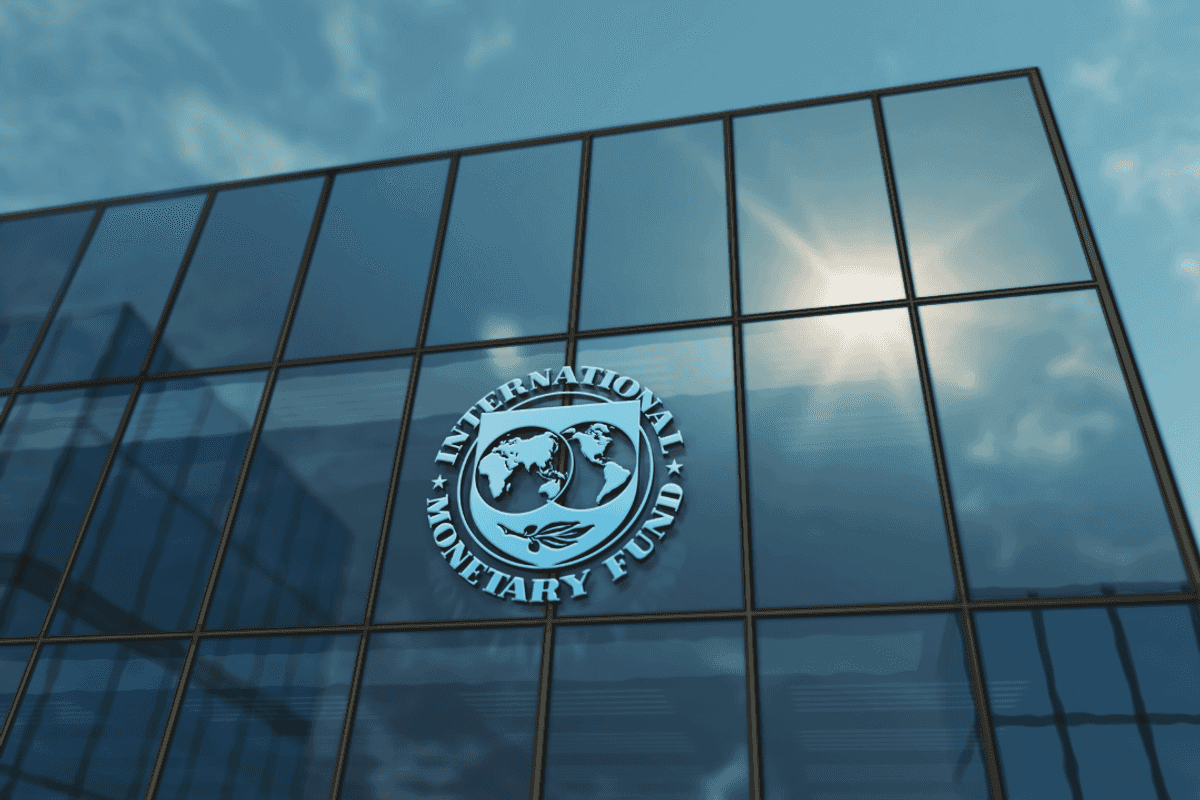
IMF, World Bank, IEA and WTO leaders meet to assess the global economic impact of the Middle East war
The heads of the International Energy Agency, International Monetary Fund, World Bank Group and World Trade Organization said the global economy has remained broadly resilient despite the shock of the war in the Middle East, but warned that uncertainty remains high and the conflict's economic effects could persist.
Following a meeting on July 7 of a high-level coordination group established in April, the four institutions said the impact of the war has been uneven, disrupting energy supplies, food security, commodity markets and economic activity across countries and regions while raising concerns about economic growth and price stability.
The organizations called for further progress toward resolving the conflict and reopening the Strait of Hormuz, saying fuel and fertilizer prices have fallen since their last meeting in June but risks remain.
They said energy markets and the movement of goods continue to face pressure, urging governments and the international community to safeguard freedom of navigation, support economic recovery, protect jobs and livelihoods, strengthen energy and food security, improve port infrastructure and trade facilitation, and build resilience against future shocks.
The four organizations said they will continue coordinating with member countries to monitor developments and stand ready to provide additional support as conditions evolve.

Comments
See what people are discussing