

Government projects 40% drop in SBP profits for FY27
Pakistan projects a 40% drop in SBP profits for FY27, reducing a key non-tax revenue source and increasing pressure on tax collection

Haris Zamir
Business Editor
Experience of almost 33 years where started the journey of financial journalism from Business Recorder in 1992. From 2006 onwards attached with Television Media worked at Sun Tv, Dawn Tv, Geo Tv and Dunya Tv. During the period also worked as a stringer for Bloomberg for seven years and Dow Jones for five years. Also wrote articles for several highly acclaimed periodicals like the Newsline, Pakistan Gulf Economist and Money Matters (The News publications)
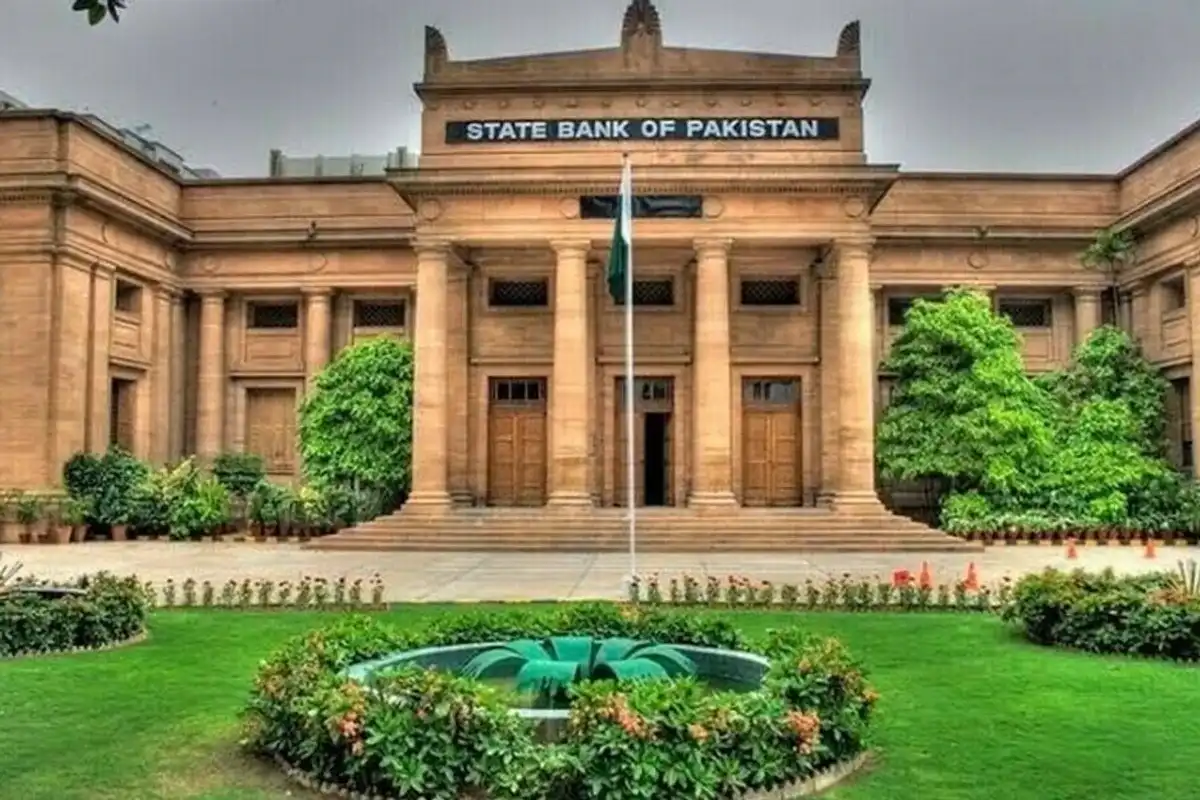
SBP profits are projected to decline mainly because of lower interest rates and reduced returns on government securities.
DESCRIPTION: .
The federal government has projected a sharp fall in State Bank of Pakistan (SBP) profit transfers for fiscal year 2026-27, with budget documents showing a decline to PKR1.44 trillion from PKR2.43 trillion in FY26. The reduction comes as lower interest rates are expected to cut central bank earnings, affecting non-tax revenues and fiscal planning.
Why are SBP profits expected to decline?
SBP profits are projected to decline mainly because of lower interest rates and reduced returns on government securities. As the central bank cuts policy rates and inflation eases, yields on Pakistan Investment Bonds and Treasury bills also fall, reducing the income generated from its asset portfolio.
The decline is expected to reduce one of the government’s biggest non-tax revenue sources. Receipts under civil administration and other functions, which largely include SBP profit transfers, are projected at PKR1.48 trillion in FY27, compared with PKR2.47 trillion in the outgoing fiscal year.
Over the past two years, the SBP posted unusually high profits as elevated policy rates increased returns on its holdings of Pakistan Investment Bonds and Treasury bills. Those gains now appear to be normalizing as monetary conditions ease.
Analysts say the exceptionally high SBP profits in recent years were largely driven by historically high interest rates. As yields decline, the central bank’s income naturally contracts, leading to lower transfers to the federal government.
How will lower SBP profits affect government revenues?
The projected fall in SBP profits comes as the government faces major spending commitments, including debt servicing, development projects and social sector expenditures.
With lower non-tax revenues, fiscal experts say the government may rely more heavily on tax collection to keep the budget deficit under control. This could place additional pressure on revenue authorities to meet ambitious collection targets.
The government has set a Federal Board of Revenue (FBR) tax collection target of PKR14.13 trillion for FY27, marking a significant increase from the revised target for FY26.
When combined with projected non-tax revenues of around PKR5.15 trillion, total federal revenues are estimated at nearly PKR19.3 trillion for FY27, according to budget documents.
What does the decline mean for Pakistan’s fiscal outlook?
Economists say the drop in SBP profits reinforces the need for long-term revenue reforms instead of relying on windfall non-tax income.
While lower central bank earnings reflect easing inflation and improving macroeconomic conditions, they also create challenges for fiscal management. Policymakers may need to strengthen tax administration, expand documentation of the economy and broaden the tax base to maintain budget stability.
Analysts say the government can no longer depend on unusually high SBP profit transfers to support revenues. Future fiscal performance will increasingly depend on tax reforms and the ability to build sustainable revenue streams.
The projected decline in SBP profits is expected to remain an important factor in shaping Pakistan’s fiscal outlook in FY27 as authorities balance economic growth with fiscal discipline.




Comments
See what people are discussing