

Pakistan nears cabinet approval for refinery upgrade policy
Pakistan expects cabinet approval soon for its refinery upgrade policy, paving the way for Euro-V fuel production without added consumer costs.

Business Desk
The Business Desk tracks economic trends, market movements, and business developments, offering analysis of both local and global financial news.
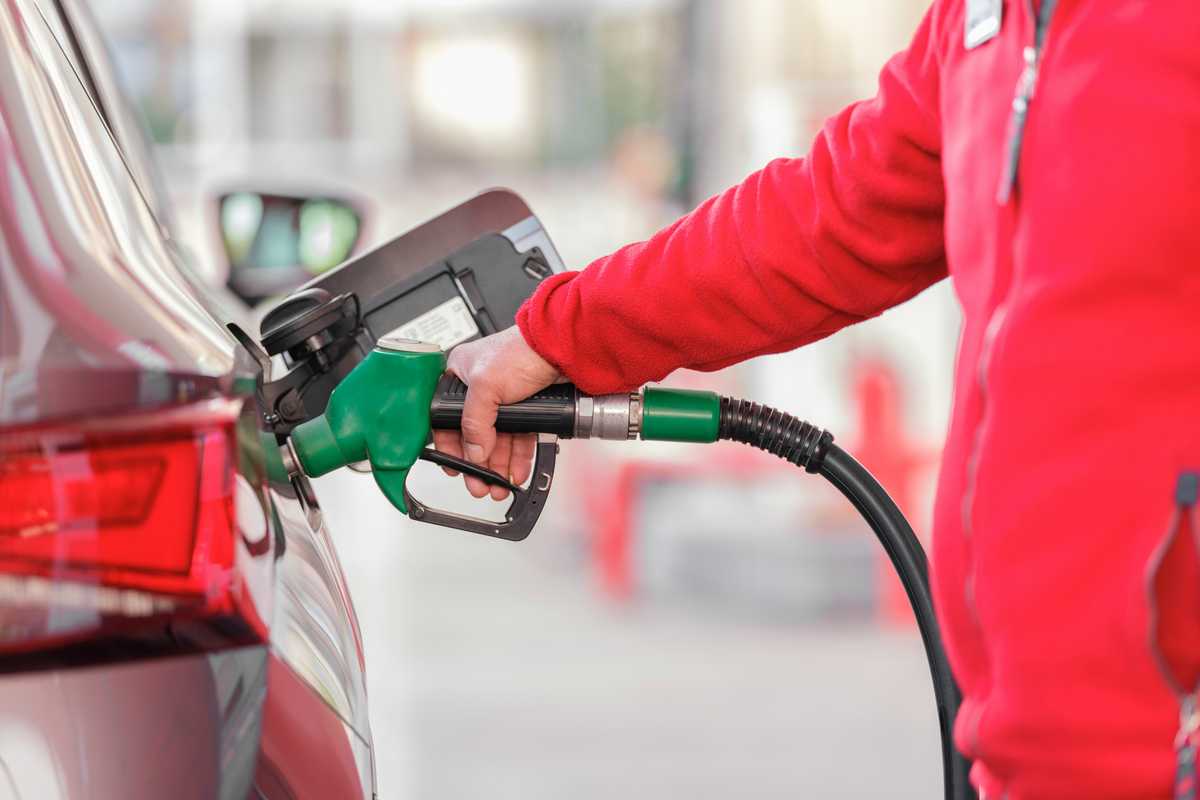
The refinery upgrade policy has been forwarded to the federal cabinet and is expected to be approved at its next meeting.
Pakistan's government has submitted its long-delayed refinery upgrade policy to the federal cabinet and expects approval soon, Petroleum Minister Ali Pervaiz Malik said Tuesday. The policy would let local refineries begin producing cleaner Euro-V standard fuels. Malik spoke at a meeting of the National Assembly Standing Committee on Petroleum, chaired by Syed Mustafa Mahmood.
When will Pakistan's refinery upgrade policy be approved?
The refinery upgrade policy has been forwarded to the federal cabinet and is expected to be approved at its next meeting, Malik said. The government also plans to seek clearance from the Economic Coordination Committee on July 15. Implementation will begin immediately after approval, allowing domestic refineries to modernize and produce Euro-V compliant fuels.
Will refinery upgrade costs be passed on to consumers?
Malik said the government will not pass the burden of refinery inefficiencies on to consumers. He added that Prime Minister Shehbaz Sharif had decided against imposing any additional financial burden on petroleum consumers. The minister said Pakistan also plans to gradually deregulate the petroleum sector, reducing the government's role in setting fuel prices while continuing to oversee the supply chain.
What is the current state of Pakistan's fuel supply and prices?
Fuel supplies had stabilized after disruptions caused by the recent regional conflict, with international crude oil prices falling below pre-war levels, Malik said. Crude traded at about $71 per barrel and diesel at $78 per barrel before the conflict, though freight, insurance and premium costs surged during the crisis. Gasoline prices climbed to between $180 and $190 per ton, while diesel became scarce in international markets. Despite the decline in crude oil prices, petrol and diesel prices remain high, Malik said. Pakistan imports about 70% of its gasoline needs and roughly one-third of its diesel consumption, leaving domestic fuel prices exposed to global market fluctuations, he added.
What else did the petroleum minister announce?
Malik said the petroleum levy on gasoline had exceeded 80 Pakistani rupees per liter under commitments made with the International Monetary Fund. On energy security, he said the government was establishing strategic petroleum reserves, with two firms conducting feasibility studies. Pakistan also plans to begin offshore oil and gas exploration later this year for the first time in two decades. The minister said uninterrupted fuel supplies were maintained during the recent regional crisis despite limited storage capacity, keeping fertilizer plants and power stations running while imposing only limited restrictions on domestic gas use during meal times.
What did lawmakers raise about CSR fund spending?
Addressing circular debt in the energy sector, Malik said the government was in talks with the IMF and remained confident there would be no increase in circular debt by the end of the current fiscal year. Committee lawmakers raised concerns over the non-utilization of Corporate Social Responsibility funds in Sindh and delays in spending similar funds in Balochistan. Provincial officials attributed the delays to the absence of implementation guidelines and force majeure declarations by companies. Committee member Talal Badr questioned the Khyber Pakhtunkhwa government's use of CSR funds to hire consultants and sought details of the payments.





Comments
See what people are discussing