

ICMA urges weekly fuel pricing as daily changes raise uncertainty
Petrol rose 16.42% between August 1 and September 17 as the Institute of Cost and Management Accountants of Pakistan called for weekly retail resets, shock corridors and targeted relief

Taha Jaffry
Producer, Business Desk
Taha Jaffry is a journalist and editor with experience in digital news publishing. Before joining Nukta, he worked as a Sub Editor at Geo.tv/Interlink Multimedia, affiliated with Geo News, for around two years, following an earlier stint at The Express Tribune.
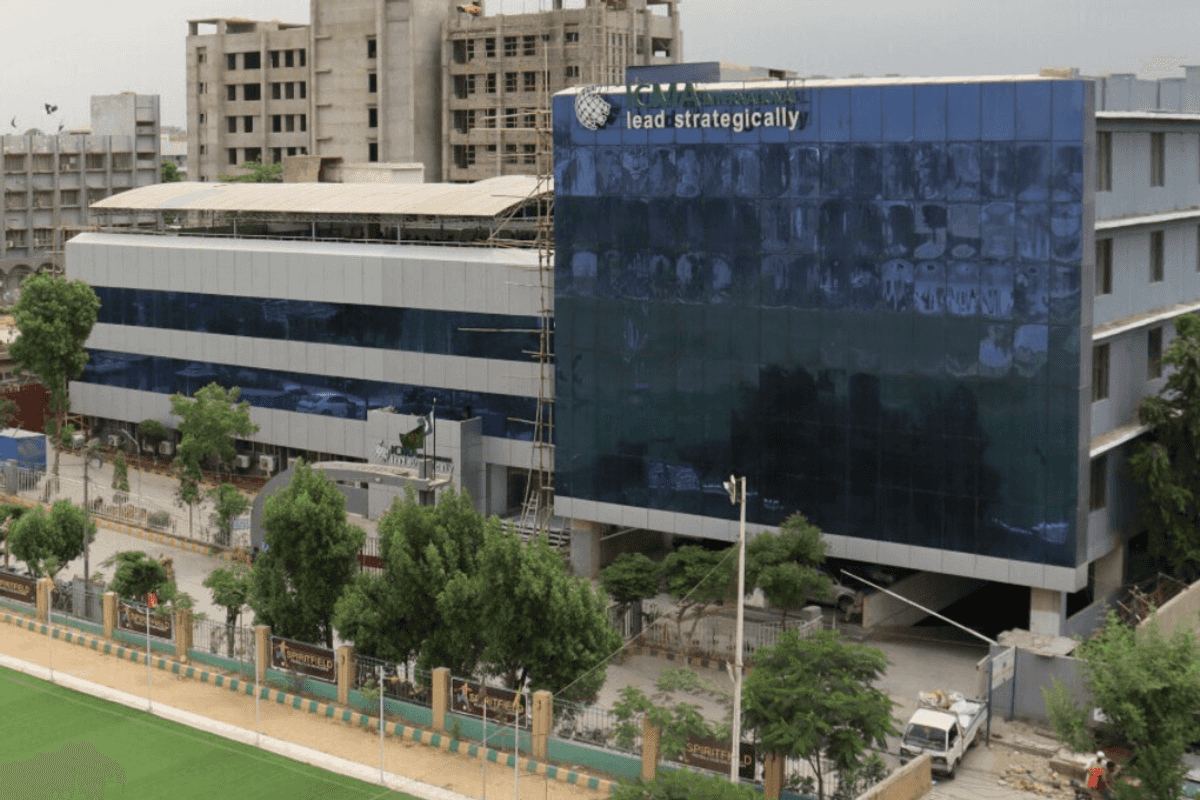
ICMA says daily repricing has accelerated the transmission of external oil shocks into the domestic economy
Pakistan’s shift to daily petroleum price adjustments is increasing short-term uncertainty for households and businesses as global oil prices remain volatile, the Institute of Cost and Management Accountants of Pakistan said in its latest Economic Signal report.
How much have fuel prices risen?
ICMA said petrol prices increased 16.42% between August 1 and September 17, rising from PKR 336.03 to PKR 391.22 per liter.
High-Speed Diesel rose 7.41% over the same period, from PKR 392.38 to PKR 421.45 per liter.
ICMA said daily repricing had accelerated the transmission of external oil shocks into the domestic economy, leaving households and businesses with less time to adjust to sudden increases in fuel costs.
“Daily transparency should not mean daily volatility,” the institute said, calling for a balance between market responsiveness and greater price predictability.
Why does ICMA want weekly fuel pricing?
Pakistan’s current daily pricing mechanism uses a seven-working-day rolling average of international benchmarks.
ICMA recommended separating daily price discovery from retail price adjustment, with daily monitoring and disclosure continuing while pump prices are reset weekly using rolling averages of international oil prices.
The institute also proposed a rules-based “shock corridor” under which exceptionally large price increases could be phased in rather than passed through immediately.
Relief should be targeted at vulnerable sectors, including public transport and essential freight, instead of being provided through broad fuel-price freezes, ICMA said.
The report cited Malaysia’s weekly fuel-pricing mechanism, which combines market-linked adjustments with targeted subsidies, as an example of an approach offering greater stability than daily repricing.
ICMA said frequent fuel-price changes had disrupted transport, production and freight-cost planning and made it harder for businesses to prepare budgets, price exports and manage inventories.
How does the petroleum levy affect fuel costs?
ICMA said the Petroleum Levy stood at PKR 80 per liter on September 17 and accounted for more than 20% of petrol’s retail price.
The institute said the levy, combined with frequent price changes, complicated efforts by businesses to forecast operating and transportation costs.
The report also cited international approaches to managing fuel-price volatility. It said the United Arab Emirates and Qatar use monthly pricing windows, while India has used excise-duty reductions to absorb oil-price shocks and Thailand has temporarily capped diesel prices.
How can Pakistan strengthen fuel-supply resilience?
ICMA called for higher fuel inventories, more diversified sourcing and stronger emergency-response protocols to improve Pakistan’s ability to withstand external supply disruptions.
The institute said market-linked pricing should be combined with clearly defined adjustment intervals and targeted protection for vulnerable sectors.
More predictable and gradual pass-through of international oil-price movements could reduce shocks for households and businesses while allowing the government to maintain fiscal discipline, ICMA said.





Comments
See what people are discussing