

Pakistani court admits petition questioning judge’s academic credentials
Islamabad High Court rules the petition against Justice Tariq Jahangiri maintainable after hearing all sides

Ali Hamza
Correspondent
Ali; a journalist with 3 years of experience, working in Newspaper. Worked in Field, covered Big Legal Constitutional and Political Events in Pakistan since 2022. Graduate of DePaul University, Chicago.
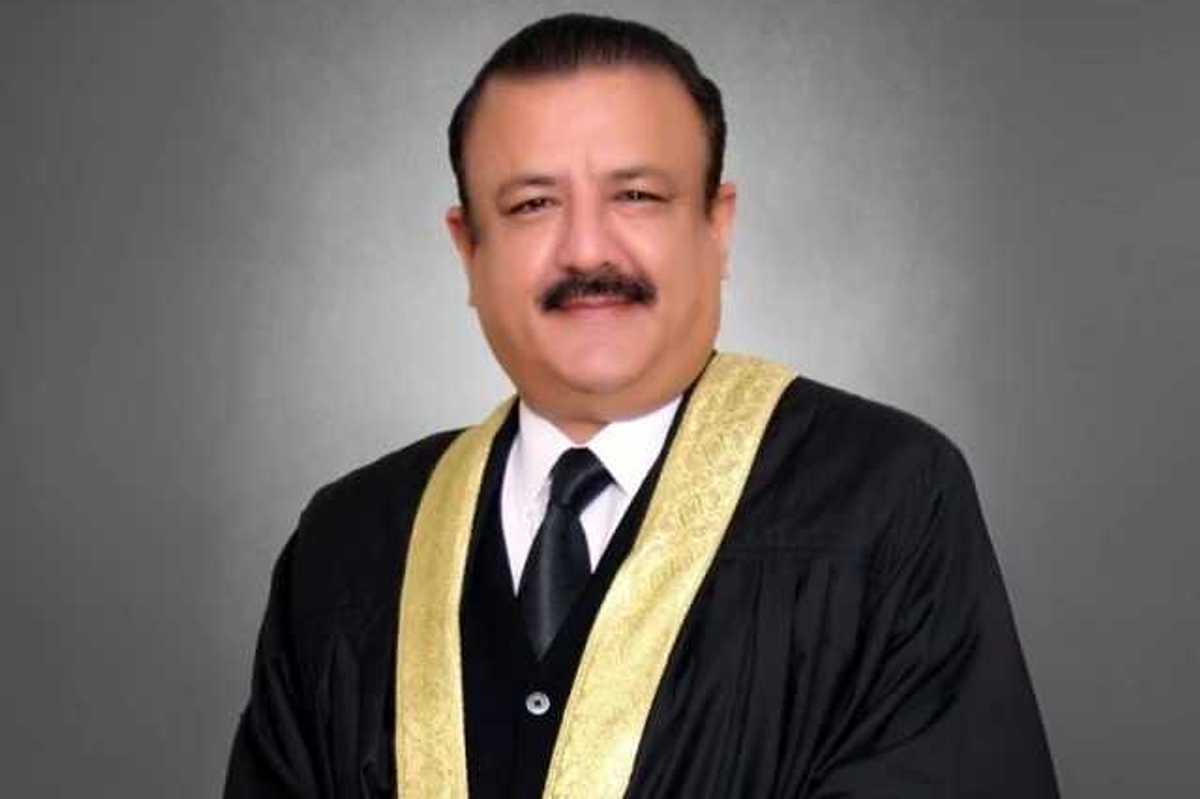
A Pakistani court admitted on Tuesday a petition challenging the academic qualifications of a sitting judge and issued notices to the judge, the federal government and several constitutional bodies in a case centered on whether such eligibility questions can be examined through a quo warranto proceeding.
The Islamabad High Court (IHC) declared the petition against Justice Tariq Jahangiri maintainable after hearing arguments from the petitioner, bar representatives and a court-appointed amicus curiae.
A division bench comprising Chief Justice Sarfraz Dogar and Justice Muhammad Azam Khan directed the judge to file a written response within three days.
Notices were also sent to the Ministry of Law, the President’s Office, the Judicial Commission of Pakistan and Parliament’s committee on judges’ appointments. The Higher Education Commission and the University of Karachi were additionally put on notice.
The case centers on whether a High Court may examine a judge’s eligibility at the time of appointment. Petitioner Mian Dawood argued that the Constitution’s Article 193 requires a High Court judge to be a duly enrolled advocate and that alleged irregularities in Justice Jahangiri’s law degree merited judicial inquiry. He cited a Karachi University letter reported previously in local media, which he said cast doubt on the authenticity of the judge’s academic credentials.
Bar representatives opposed the petition, insisting that matters concerning judges fall exclusively under the Supreme Judicial Council (SJC) as outlined in Article 209. Lawyers from the Islamabad Bar Association and Islamabad District Bar argued that credential verification lies with bar councils, warning that permitting such petitions could weaken judicial independence by opening the door to parallel oversight mechanisms.
Islamabad Bar Council member Raja Aleem Abbasi added that with an intra-court appeal already pending, the case should be referred to another bench. He said allowing proceedings outside the SJC risked undermining the judiciary’s established accountability framework.
Court-appointed amicus curiae Barrister Zafarullah Khan took the opposite view, telling the court that Supreme Court precedent allows quo warranto challenges where the question relates to a judge’s eligibility at the time of appointment rather than their conduct while in office.
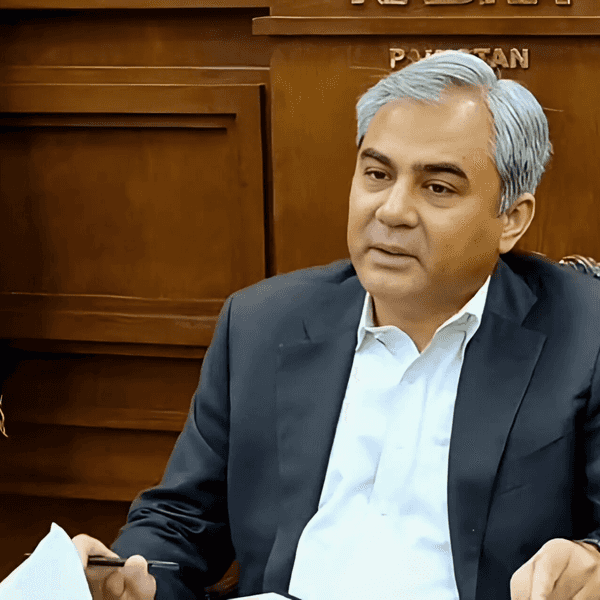
During the hearing, Advocate General Islamabad Ayaz Shaukat read out Karachi University’s latest report. Chief Justice Dogar observed that the university had stated the judge was never a student at Islamia College, describing him as a “stranger” to the institution. Bar lawyers countered that the degree’s cancellation had previously been suspended by the Sindh High Court.
After concluding arguments, the Islamabad High Court ruled the petition admissible and issued notices to all relevant parties.
The case will proceed once written responses are submitted.




Comments
See what people are discussing