

IMF pushes back on tariff fix, flags domestic policy as key driver
Report calls for joint action to tackle widening global imbalances

Haris Zamir
Business Editor
Experience of almost 33 years where started the journey of financial journalism from Business Recorder in 1992. From 2006 onwards attached with Television Media worked at Sun Tv, Dawn Tv, Geo Tv and Dunya Tv. During the period also worked as a stringer for Bloomberg for seven years and Dow Jones for five years. Also wrote articles for several highly acclaimed periodicals like the Newsline, Pakistan Gulf Economist and Money Matters (The News publications)
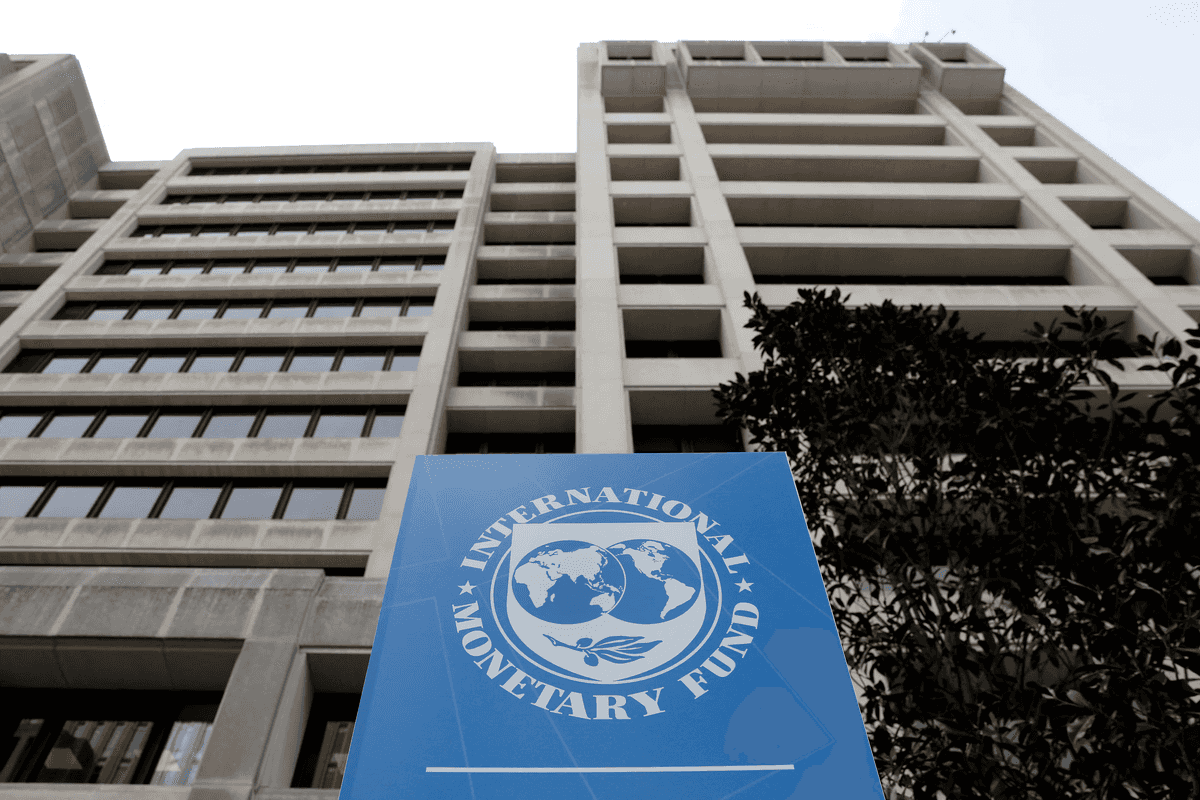
The Executive Board of the International Monetary Fund (IMF) said that domestic economic policies remain the primary drivers of global trade and financial imbalances, even as some industrial and trade measures can play a supporting role.
The board’s discussion, held April 1, focused on a new staff paper — Understanding Global Imbalances — released amid what officials described as a renewed widening of gaps between countries’ current account surpluses and deficits.
“Traditional macroeconomic policies remain the dominant drivers of imbalances,” IMF staff found, pointing to how government spending, taxation and monetary policy shape national saving and investment decisions.
Executive Directors said the report provides “a clear and coherent analytical framework” for understanding the causes and risks of global imbalances, which they noted remain “persistent and concentrated.”
The IMF said policies targeting specific industries — so-called micro industrial policies — tend to have “ambiguous and limited effects” on a country’s current account. Broader measures applied across an economy, however, can have a more noticeable impact.
“Certain economywide policy combinations… can have more material and persistent effects on external balances,” the board said, particularly when paired with restrictions on capital flows or policies that suppress domestic consumption.
Still, directors cautioned that such approaches often come with trade-offs, including reduced consumption and potential spillover effects across borders.
The board also expressed skepticism about the effectiveness of trade restrictions such as tariffs in addressing imbalances, noting they are only likely to have a meaningful impact if used temporarily or alongside policies that boost public savings.
Directors emphasized that large and persistent imbalances — whether surpluses or deficits — warrant close monitoring due to risks to global financial stability.
They reaffirmed that the “saving-investment framework remains the appropriate conceptual anchor” for assessing imbalances and stressed the importance of analyzing capital flows, external balance sheets and market expectations.
The report highlighted that coordinated action among countries would produce the strongest results. According to IMF scenario analysis, simultaneous policy adjustments in both surplus and deficit economies would reduce global imbalances while boosting overall economic output.
“Durable rebalancing is a collective endeavor,” the IMF said, adding that it “works best when countries move together.”
Looking ahead, directors called for improved data, refined analytical tools and stronger international cooperation to better monitor and address imbalances. They also urged continued work on enhancing the IMF’s External Balance Assessment models and closing statistical gaps.
The board said the Fund would continue strengthening its surveillance and policy guidance to support “evenhanded, evidence-based” cooperation among member countries.



Comments
See what people are discussing