

IMF urges Pakistan to accelerate energy reforms, contain circular debt
Pakistan tells IMF it expects USD 21.5 billion in external debt repayments this year as talks also cover farm taxes, reserves and automobile policy
Haris Zamir
Business Editor
Experience of almost 33 years where started the journey of financial journalism from Business Recorder in 1992. From 2006 onwards attached with Television Media worked at Sun Tv, Dawn Tv, Geo Tv and Dunya Tv. During the period also worked as a stringer for Bloomberg for seven years and Dow Jones for five years. Also wrote articles for several highly acclaimed periodicals like the Newsline, Pakistan Gulf Economist and Money Matters (The News publications)
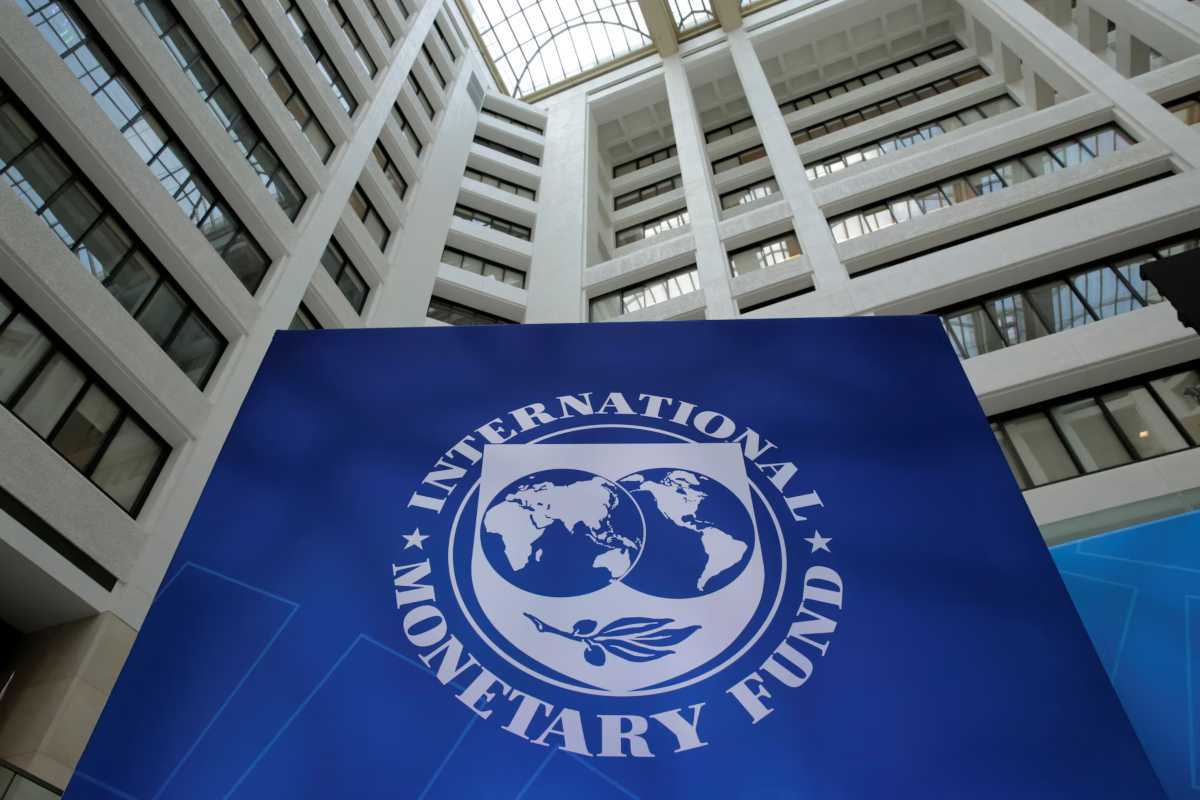
The International Monetary Fund logo is seen during the IMF/World Bank spring meetings in Washington, US, April 21, 2017.
Reuters
Pakistan and the International Monetary Fund (IMF) discussed measures to accelerate energy-sector reforms, contain circular debt and manage the country’s external financing needs, according to officials familiar with the talks.
What is the IMF asking Pakistan to do on energy reforms?
The IMF has urged Pakistan to accelerate energy-sector reforms and meet agreed targets for containing circular debt. Pakistan told the Fund it aims to keep energy-sector circular debt at around PKR 1.6 trillion under a zero-inflow target while managing the effects of the tense regional situation.
Pakistan briefed the IMF on progress with energy-sector reforms and said the sector had been affected by the tense regional situation.
How much external financing does Pakistan expect this fiscal year?
Pakistan told the IMF it expects to obtain about USD 15 billion in foreign financing during the current fiscal year, while total external debt repayments are projected at about USD 21.5 billion, including around USD 3.5 billion in interest payments.
Pakistan made USD 2.2 billion in external debt payments in July, including USD 1.4 billion in Chinese commercial loans and USD 800 million in other external obligations, according to the officials.
The government told the IMF that external repayment pressure is expected to ease over the remaining 11 months of the fiscal year.
Pakistan’s external debt repayments totaled USD 26.5 billion in the previous fiscal year, meaning the country expects to pay about USD 5 billion less this year, the officials said.
The government also briefed the IMF on measures taken to strengthen foreign exchange reserves, including timely financial support from Saudi Arabia.
The State Bank of Pakistan has purchased about USD 28 billion from the foreign exchange market over the past three years, officials told the IMF. Of that amount, around USD 9 billion was purchased during fiscal year 2025-26. The figures are consistent with earlier disclosures by the SBP governor.
What is the IMF asking Pakistan to do on agricultural income tax?
The IMF also raised concerns over targets for collecting income tax from the agricultural sector during the ongoing discussions.
Pakistan’s federal government supported the position of farmers during the talks, arguing that high production costs have left many farmers under financial pressure, according to the officials.
The government told the IMF that most farmers in Pakistan are not sufficiently prosperous to bear significant income-tax obligations, while production costs have continued to rise because of the tense regional situation.
Provincial governments are taking measures to increase agricultural income-tax collections, the officials said.
The Federal Board of Revenue also briefed the IMF on its tax-collection digitalization initiatives.
Pakistan additionally provided details on efforts by provincial governments to increase non-tax revenue and achieve targeted fiscal surpluses.
What other issues are Pakistan and the IMF discussing?
The two sides are also scheduled to hold a special session on Pakistan’s automobile policy as part of the ongoing negotiations.
Current reporting on the review independently confirms that the IMF mission is discussing the proposed new auto policy with the government, including taxation measures for the sector.




Comments
See what people are discussing