

Inflation in Pakistan expected to accelerate, rates likely on hold
Intermarket sees CPI breaching SBP target later in FY26

Business Desk
The Business Desk tracks economic trends, market movements, and business developments, offering analysis of both local and global financial news.
Pakistan’s inflation is expected to rise above the State Bank of Pakistan’s (SBP) target range from March 2026 onward, with price pressures potentially peaking above 8% by June 2026, according to Intermarket Securities.
In a research note, the brokerage said it expects average inflation for fiscal year 2026 to settle around 7.4%, prompting the central bank to keep its policy rate unchanged at 10.5% for the remainder of the year amid heightened geopolitical risks and persistent external account pressures.
Headline inflation climbed to 5.8% year-on-year in January, up from 5.6% in December, while month-on-month prices rose 0.4%, data showed. Urban and rural inflation both stood at 5.8% year-on-year.
“While headline inflation remains contained for now, we expect CPI to move above the SBP’s targeted range from March 2026 onwards,” Intermarket Securities said, adding that inflationary risks are likely to intensify in the second half of the fiscal year.
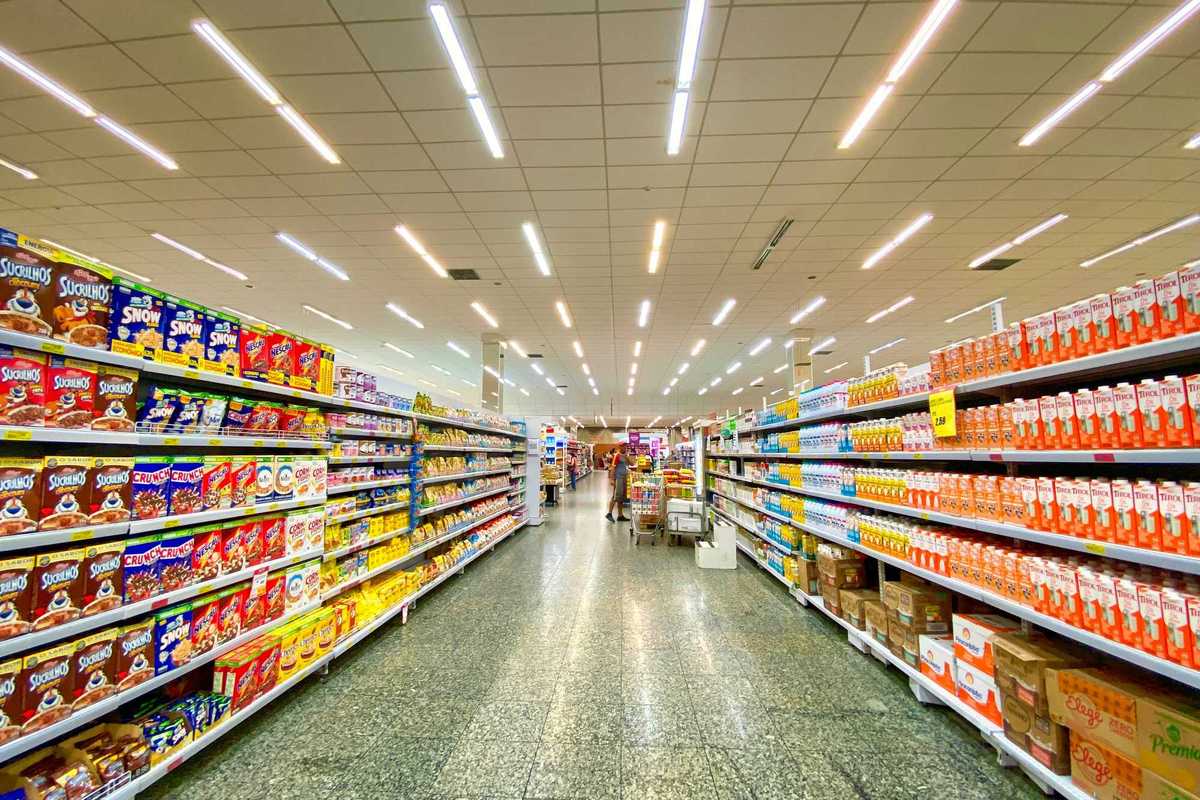
Food and non-alcoholic beverages remained the main driver of inflation, rising about 7.6% year-on-year. Perishable food prices, however, declined roughly 20% from a year earlier, reflecting lower fresh vegetable prices and improved supply conditions. As a result, average inflation for the first seven months of FY26 moderated to about 5.2%, down from 6.6% in the same period last year.
Weekly Sensitive Price Indicator (SPI) data continued to show easing prices for key perishables, with onion and potato prices falling around 26% and 30% month-on-month, respectively, although tomato prices rose about 4%.
Expectations ahead of Ramadan
Intermarket cautioned that food inflation could face seasonal pressure in the coming weeks ahead of Ramadan.
Core inflation edged up to 7.6% year-on-year in January, compared with 7.4% in December. Non-food, non-energy inflation stood at 7.2% in urban areas and 8.3% in rural regions, slightly above recent averages. Inflation in lifestyle-related categories such as health, clothing and education continued to range between 6% and 10%.
The housing and utilities index increased 7.3% year-on-year. Although electricity prices declined 2.7%, the impact was outweighed by higher gas prices, according to the report.
On a monthly basis, inflation was driven mainly by a 1.1% rise in the housing index, reflecting quarterly house rent adjustments. The food index remained largely stable, while transport costs fell 1.4% month-on-month due to lower fuel prices.
Urban core inflation eased to 7.2% year-on-year in January from 7.8% a year earlier, while rural core inflation declined to 8.3% from 10.4%. Month-on-month, core inflation rose by 1.0% in urban areas and 1.1% in rural regions.
Given these trends, InterMarket said it expects the SBP to remain cautious. “In this backdrop, we expect the policy rate to stay unchanged at 10.5% through FY26,” the brokerage said.



Comments
See what people are discussing