

Iran Guards say Sunni cleric killed in northwest, blame separatists
Iran's Revolutionary Guards say a Sunni Kurdish cleric was killed in northwest Iran, blaming separatist groups for trying to divide Sunnis and Shias.

News Desk
The News Desk provides timely and factual coverage of national and international events, with an emphasis on accuracy and clarity.
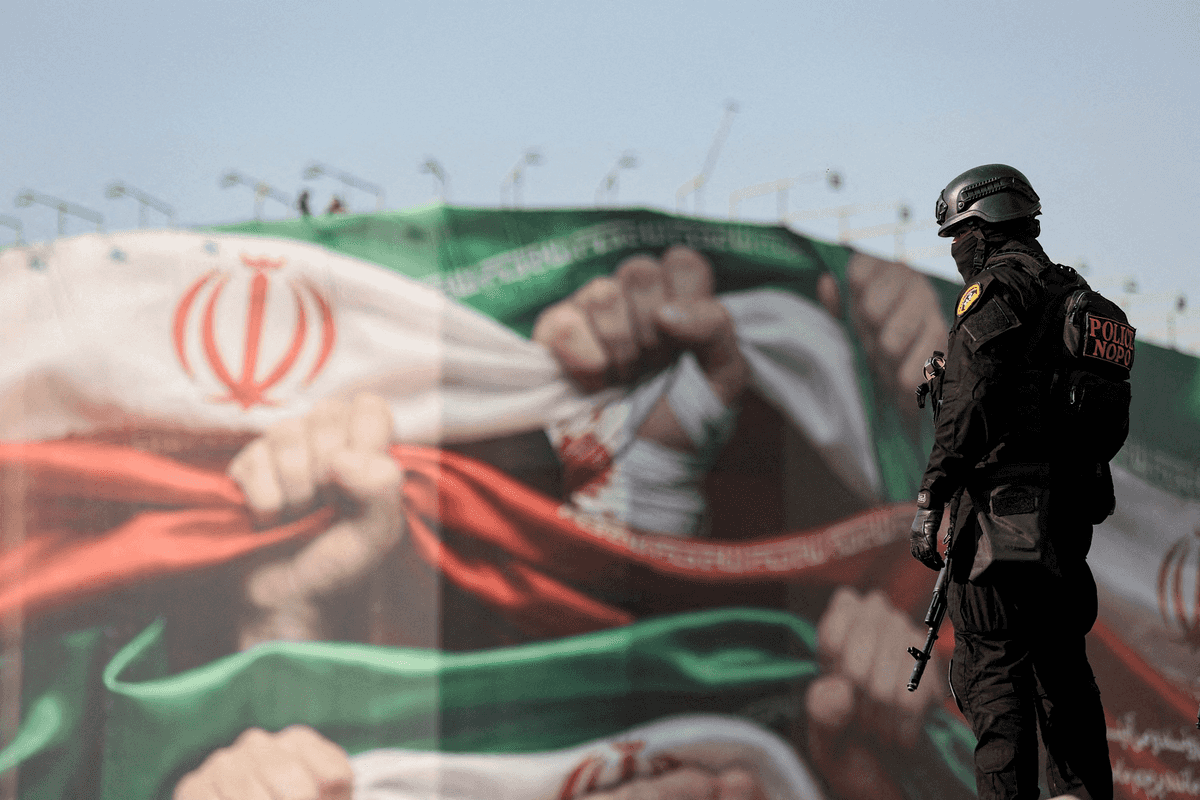
The Guards attributed the killing to groups they labelled "Zionist-American separatist" forces.
Iran's Revolutionary Guards said on Wednesday that a Sunni Kurdish cleric was killed in a northwestern province, blaming separatist groups for the attack. The Guards said the killing was an attempt to sow division between Sunnis and Shias. The timing of the incident was not immediately confirmed.
Who was the cleric killed in northwest Iran?
The cleric was named as Mohammad Nezhati, described by the Guards as having been killed in what they called a terrorist attack. He was also a member of the Basij, the volunteer paramilitary force operating under the Islamic Revolutionary Guard Corps. The Guards attributed the killing to groups they labelled "Zionist-American separatist" forces.
Who does Iran mean by 'separatist groups'?
Iranian authorities commonly use the term "separatist groups" to refer to Kurdish opposition factions based in Iraq's Kurdistan region. Tehran has long accused these groups of maintaining links to the United States and Israel. The Guards did not name a specific organization in connection with Nezhati's killing.
In a statement, the Guards said the attack targeted more than one man. They said it was also a deliberate attempt to divide Muslims, weaken unity between Shias and Sunnis, and destabilize the wider society.




Comments
See what people are discussing