

Iran says Hormuz strait still closed despite transit corridor talks
Iran warns the Strait of Hormuz will remain closed until the United States ends the war, despite talks with Oman on a temporary transit corridor

News Desk
The News Desk provides timely and factual coverage of national and international events, with an emphasis on accuracy and clarity.
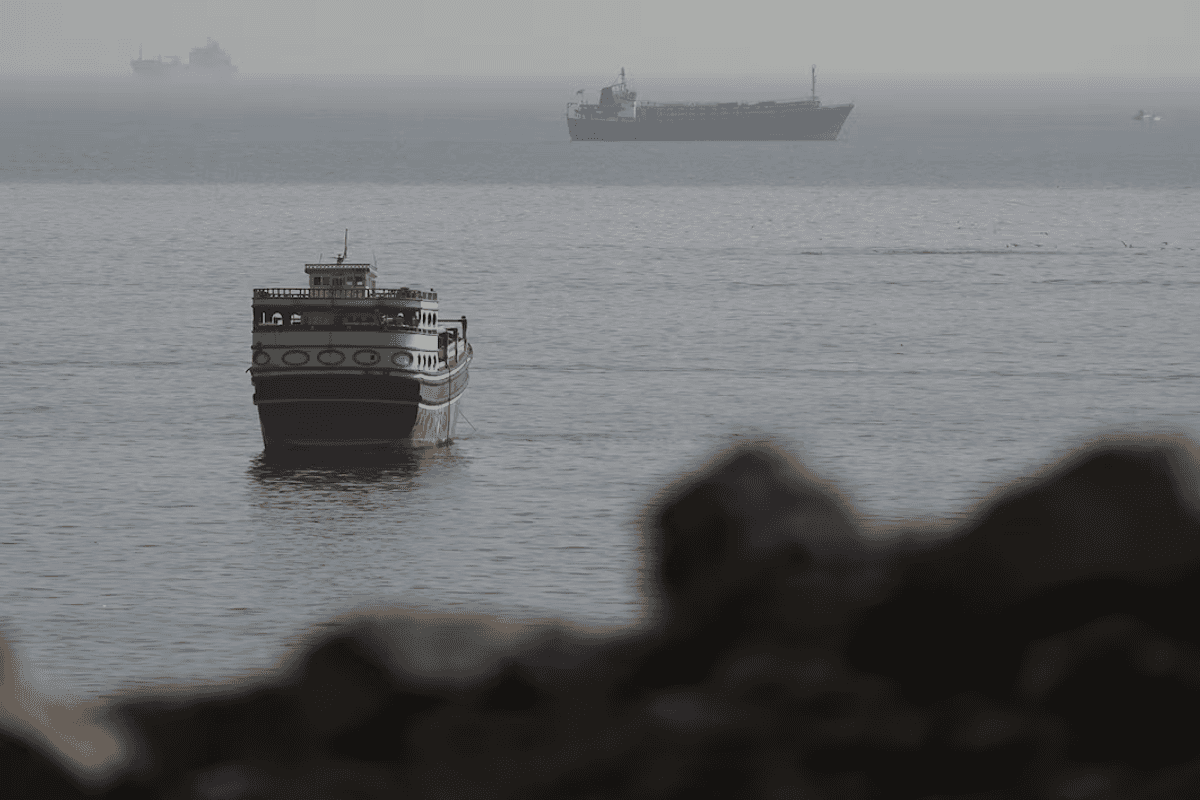
Iran and Oman are discussing a temporary transit corridor and mine-clearing plan for the Strait of Hormuz, but Tehran warned on Wednesday that the vital waterway will not be reopened unless the United States ends the war.
Why does Iran say the Strait of Hormuz is still closed?
Iran says the Strait of Hormuz will only reopen once the United States ends the war, lifts its naval blockade on Iranian ports and helps resolve the conflict in Yemen. Deputy Foreign Minister Kazem Gharibabadi said Tehran closed the strait after Washington failed to honour a memorandum of understanding.
Washington has announced fresh sanctions aimed at pressuring Iran into submission. Treasury Secretary Scott Bessent has threatened the Islamic republic with what he called "economic asphyxiation."
What is the phased framework agreed with Oman?
During talks in Tehran, foreign ministers from Iran and Oman discussed a "phased framework" that included setting up a "joint temporary navigational corridor through the Strait of Hormuz and an agreement to implement a joint project to clear the Strait of mines," according to a statement. The two countries, both coastal states bordering the strait, have sought to hammer out a plan to regulate transit through it, as laid out in a June US-Iran memorandum of understanding.
Iran's top diplomat Abbas Araghchi said on Tuesday that the proposed framework is "case in point" showing how his country's "commitment to peace and stability is matched by steadfast diplomacy with our neighbours." Omani Foreign Minister Badr Albusaidi said he hoped Iran and Oman would "soon announce" the temporary corridor.
"Future management of the strait and a permanent solution will follow in due course," Albusaidi wrote on X after the Tehran talks. A joint statement said technical negotiations will continue to determine a "permanent navigational corridor and future administration of the Strait, as well as a mechanism for information-sharing, traffic management, and the provision of relevant navigational and security services."
Will military vessels be allowed through the strait?
Nearly six months after the United States and Israel went to war against Iran, traffic through the Hormuz strait remains largely paralysed, disrupting global oil markets. Tehran has blockaded the crucial waterway, which normally carries around one fifth of the world's oil and liquefied natural gas exports, while Washington has imposed a naval counter-blockade on Iranian ports.
Gharibabadi warned that no military vessel will be allowed to pass through the strait. "We closed the Strait of Hormuz before the United States imposed an economic blockade because the United States failed to fulfil its commitments under the memorandum of understanding," he said, according to state news agency IRNA. He added that Iranian authorities would monitor commercial vessels seeking to cross it.
"Before any action is taken to reopen the Strait of Hormuz, the United States must fully implement all of the commitments it has violated," Gharibabadi said. He called on Washington to end the war, lift its blockade and resolve the situation in Yemen, a country dragged further into the conflict in July when the Iran-backed Houthis upended a 2022 truce with Yemen's Saudi-backed government.
What happened to the mines in the Strait of Hormuz?
US President Donald Trump previously said on Truth Social that "all mines have been removed and/or detonated from within the International Waters of the Strait of Hormuz," citing the US Navy. Gharibabadi dismissed such claims as "propaganda deception" and said Iran would target US minesweepers that entered the area.
How is the war affecting Iran's economy?
In the Iranian capital, long queues formed at petrol stations after authorities said fuel quotas would be reviewed.
Iran had already been grappling with sky-high inflation before the war, which fueled an anti-government protest movement that peaked in January.
What new US sanctions target Iran?
Announcing the new sanctions, Bessent said countries that did not support the US economic campaign would "share in the isolation" of Iran. Gharibabadi said Iran's response would be to "target their economic interests."
The Treasury Department said expanded secondary sanctions would target Iran's digital assets and its technology, gold, aviation and shipping sectors. The measures hit entities around the world, including in the United Arab Emirates, Hong Kong, China, Singapore and Europe. Oil prices continued to decline on Wednesday as concerns over another military flare-up in the Middle East receded.


Comments
See what people are discussing