

Proposed Hormuz deal would give Iran control over inbound Gulf shipping, sources say
A proposed Hormuz deal would hand Iran control of inbound Gulf shipping, per Reuters sources, as Oman-brokered talks near a deal to end the Iran-US war

News Desk
The News Desk provides timely and factual coverage of national and international events, with an emphasis on accuracy and clarity.
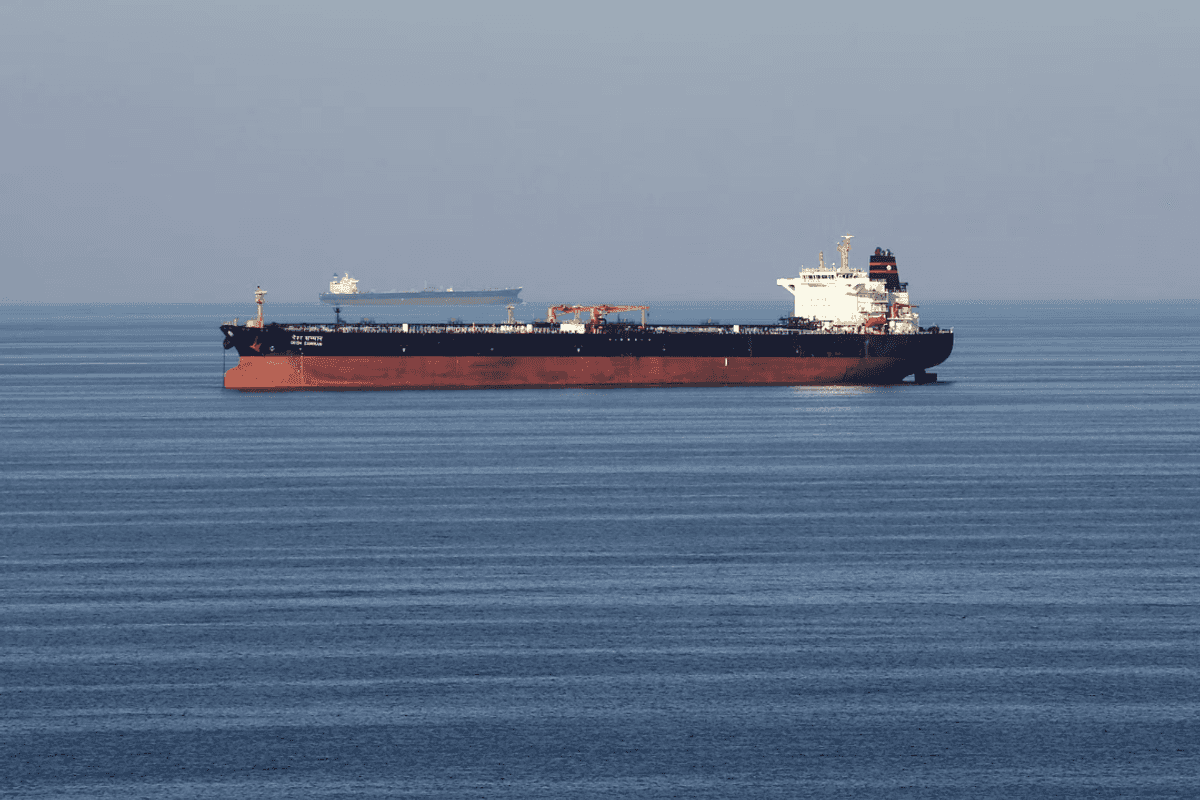
A proposed agreement between Iran and Oman aimed at ending five months of war between Iran and the United States would give Tehran control over ships entering the Gulf through the Strait of Hormuz.
A senior Iranian source and two regional officials told Reuters of the arrangement on Wednesday. The proposal marks one of the biggest concessions offered to Iran so far, and Washington has not immediately commented.
What would the Hormuz deal give Iran?
The draft agreement would give Iran authority over ships entering the Gulf through the Strait of Hormuz, according to a senior Iranian source. Discussions are continuing over how much oversight Tehran would hold over outbound traffic. Gulf countries are pushing for regional oversight of ship inspections and want any transit fees to stay voluntary.
President Trump has said a deal to reopen the strait is imminent, but US officials have repeatedly said Washington will not accept Iranian control over the waterway, one of the world's most important routes for global energy supplies. Iran and Oman control the strait through its northern and southern channels and have been holding bilateral talks over its future.
Why is the Strait of Hormuz important?
The Strait of Hormuz is one of the world's busiest oil chokepoints, carrying a large share of global crude exports through its narrow shipping lanes. Iran has reported "significant progress" in the talks with Oman and said both inbound and outbound commercial shipping would eventually pass through Iranian waters. Iran has also carried out missile and drone attacks on US allies in the region and targeted ships crossing the strait without its permission, according to Reuters.
What fees is Iran seeking for Hormuz shipping?
Tehran is seeking fees of between 5% and 7% of cargo values for ships transiting the strait, the senior Iranian source said. Oman is discussing a lower rate of about 3%, while the United States wants no fees imposed at all. One regional source told Reuters that "the concession has already been made regarding some form of control over Hormuz," though negotiators are still working out how that control would be defined.
Has Iran threatened retaliation over Gulf energy sites?
Iran has warned Gulf states that any new US attack on its territory would trigger retaliation against critical energy infrastructure across the region, five sources told Reuters. "The Iranian warning was unequivocal: if America targeted Iran's infrastructure, they would retaliate by striking Gulf energy facilities and other regional targets," one Gulf source said. Despite the reported progress in talks, Iranian and regional sources say major issues remain unresolved, and they have pushed back on Trump's suggestion that a deal to reopen the strait is imminent.
Is Trump close to a deal with Iran?
Speaking at a rally in Las Vegas, Trump said he preferred diplomacy to further military action. "I'd rather make a deal because I don't want to kill people. I do not want to kill people, but at some point we're gonna," he said. Trump faces mounting pressure to end the conflict ahead of November's midterm elections, and Reuters reported that months of US military operations, including a two-week air campaign in July, have failed to break Iran's control over the strait.
Iranian Deputy Foreign Minister Kazem Gharibabadi told the state-run IRNA news agency that the proposed arrangement was designed so commercial ships would pass through Iranian territorial waters on both inbound and outbound voyages. He said talks with Oman had "reached fundamental understandings" and were close to being finalized. Gharibabadi added that Iran had received messages from Washington signaling it was prepared to return to commitments made under a mid-June memorandum of understanding, which called for an immediate halt to military operations. He said that condition would need to be met before the strait reopens, though no recent direct talks have taken place between Tehran and Washington.
How many casualties has the Iran-US conflict caused?
Iran has reported more than 3,400 deaths since the United States and Israel launched the war on February 28, while the United States has reported 18 military personnel killed. Reuters also reported that US commanders warned Trump in July that supplies of some precision-guided munitions were running low. Crude oil prices have fallen over the past two days after Trump halted plans for renewed strikes on Iran, citing diplomatic talks he said could end the conflict.





Comments
See what people are discussing