

Iran Guards say agreed with Oman to share revenues from Hormuz
Iran's Revolutionary Guards say Tehran and Oman have agreed to share Strait of Hormuz revenues, though reopening still hinges on the US

News Desk
The News Desk provides timely and factual coverage of national and international events, with an emphasis on accuracy and clarity.
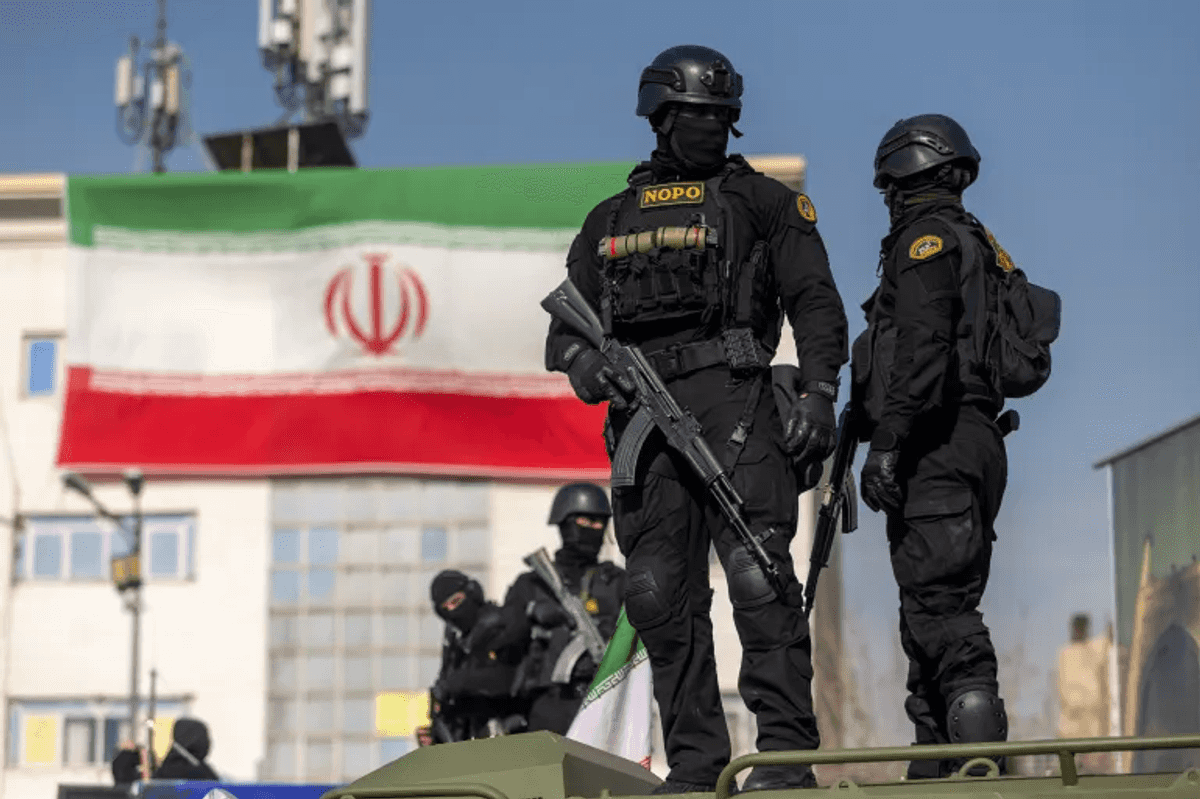
Iran's Revolutionary Guards said on Wednesday they had agreed with Oman to share any revenues earned from the Strait of Hormuz, a day after their top diplomats met in Tehran.
What did Iran and Oman agree on the Strait of Hormuz?
Iran and Oman have reached an agreement on their respective shares of the strait's waters and its revenues, according to the Revolutionary Guards. The deal does not mean the waterway will reopen, since Tehran still says that depends on the United States meeting its separate demands.
"During negotiations with Oman, some agreements were made regarding each country's share of the waters of the Strait and Iran's and Oman's shares of its revenues," said Guards spokesman Hossein Mohebi. He nonetheless accused the United States of "obstructing work" to finalise a deal.
Why hasn't the Strait of Hormuz fully reopened?
Efforts to permanently end the war between Iran and the United States have stalled, with a key point of contention being Tehran's demand to charge ships for passage through Hormuz, a demand flatly rejected by Washington. Iranian officials have insisted that the strait will not fully reopen until the United States meets Tehran's demands, including lifting its naval blockade, removing oil sanctions and unfreezing assets abroad.
Mohebi said Iran would only "open the strait" if Washington met Tehran's demands.
What has Iran and Oman agreed on managing the strait?
Iran and Oman, both coastal states on the strait, have for weeks been discussing the future of navigation through the waterway, with Tehran saying the geographical coordinates of a route envisaged by the two countries "have been agreed upon." On Tuesday, Iran and Oman's foreign ministers held talks in Tehran, discussing a framework for a temporary transit corridor through Hormuz and a mine-clearing project in the waterway.
Why is the Strait of Hormuz significant to global trade?
Iran has blockaded the crucial waterway, which normally carries about a fifth of the world's oil and liquefied natural gas exports, since the outbreak of war with the United States on February 28. Washington has imposed a naval counter-blockade on Iranian ports and threatened fresh sanctions aimed at pressuring Iran.


Comments
See what people are discussing