

Iran rejects talks with US after Trump's remarks
Iran rejects talks with the US after Trump says he's open to a deal, as tensions rise over oil and the Strait of Hormuz

News Desk
The News Desk provides timely and factual coverage of national and international events, with an emphasis on accuracy and clarity.
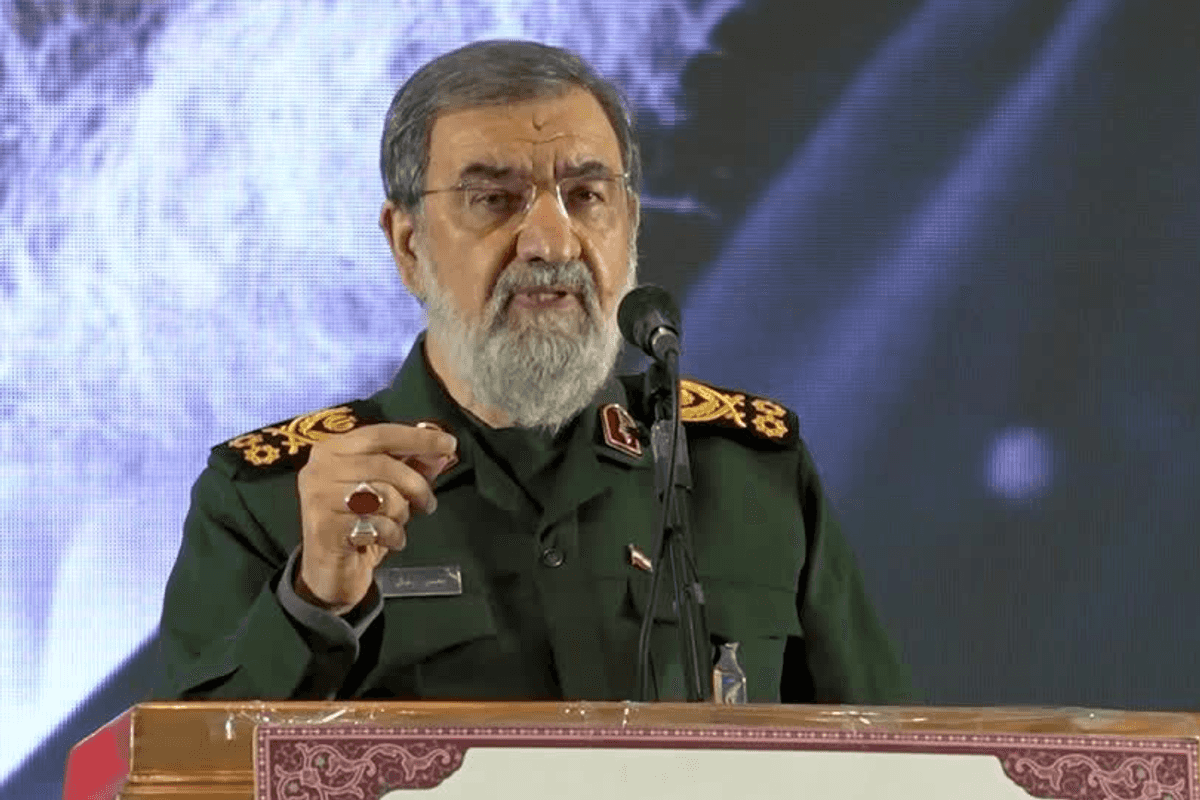
Iran's security chief rejected any talks with the United States on Tuesday, hours after President Donald Trump said he was open to resuming discussions on the Middle East war.
Mohsen Rezaei, secretary of Iran's Supreme National Security Council, said negotiations would not restart until Iran's conditions were met.
Don’t get distracted by the U.S. president’s mixed signals—from “no negotiations” to “we’re ready to talk.” The stakes around oil and the straits have changed. Damage control won’t stop what’s coming.
No talks until Iran’s conditions are met. Period!
— محسن رضایی (@ir_rezaee) September 14, 2026
Why did Iran reject talks with the US?
Iran's Supreme National Security Council said mixed signals from Washington would not change its position. Rezaei said rising stakes over oil and the Strait of Hormuz meant no talks could resume until Iran's conditions, including war reparations and the lifting of sanctions, were met.
"Don't get distracted by the U.S. president's mixed signals, from 'no negotiations' to 'we're ready to talk,'" Rezaei posted on X. "The stakes around oil and the straits have changed. Damage control won't stop what's coming. No talks until Iran's conditions are met. Period!"
What did Trump say about Iran?
Trump said on Monday that he was open to holding talks with Iran, reversing weeks of saying it was too early to negotiate an end to the war. He made the comments on his Truth Social platform.
"The failing Nation of Iran wants to make a deal, quickly and badly. I will determine whether or not the U.S.A. will choose to engage, the concept of which we are open to," Trump wrote.
What are Iran's conditions for ending the war?
Iran has repeatedly listed war reparations and the lifting of sanctions as preconditions for ending the conflict. Tehran has also maintained its blockade on the Strait of Hormuz as part of its position.
The standoff comes as the United States faces mounting pressure on its own military resources after weeks of fighting Iran.
Why is the US facing ammunition shortages?
The Pentagon's inspector general confirmed on Monday that the United States was facing ammunition shortfalls because of the war. This contradicted Trump's earlier assertions that the country had sufficient weapons stocks. The finding came in a first-of-its-kind mandatory report to Congress.
The inspector general estimated that Operation Epic Fury cost $33.4 billion between February 28 and June 30, including $22.3 billion in expended munitions. "The munitions expenditure on OEF has resulted in strategic inventory shortfalls and revealed industrial base bottlenecks for munitions resupply," the report said. Operation Epic Fury is the U.S. name for its joint campaign with Israel aimed at destroying Iran's ability to project military power, according to U.S. Central Command.
The Pentagon said it was responding to the shortages by streamlining procurement, shortening production lead times and stockpiling critical materials and munitions. However, the report warned that expanding production capacity would require significant lead time.
How could the shortages affect Ukraine and Taiwan?
The shortages could raise concerns in countries such as Ukraine and Taiwan, which depend heavily on U.S. weapons to defend against or deter larger adversaries. Ukraine urgently needs additional interceptor missiles for U.S.-made Patriot air defense systems in its war with Russia. Taiwan relies on arms agreements with Washington to strengthen its defenses against China, which claims the self-ruled island as its territory.





Comments
See what people are discussing