

Iran denies talks with US to extend ceasefire
Tehran says it held no ceasefire extension talks with the US, contradicting a Pakistan-mediated report that both sides agreed to prolong the truce.

News Desk
The News Desk provides timely and factual coverage of national and international events, with an emphasis on accuracy and clarity.
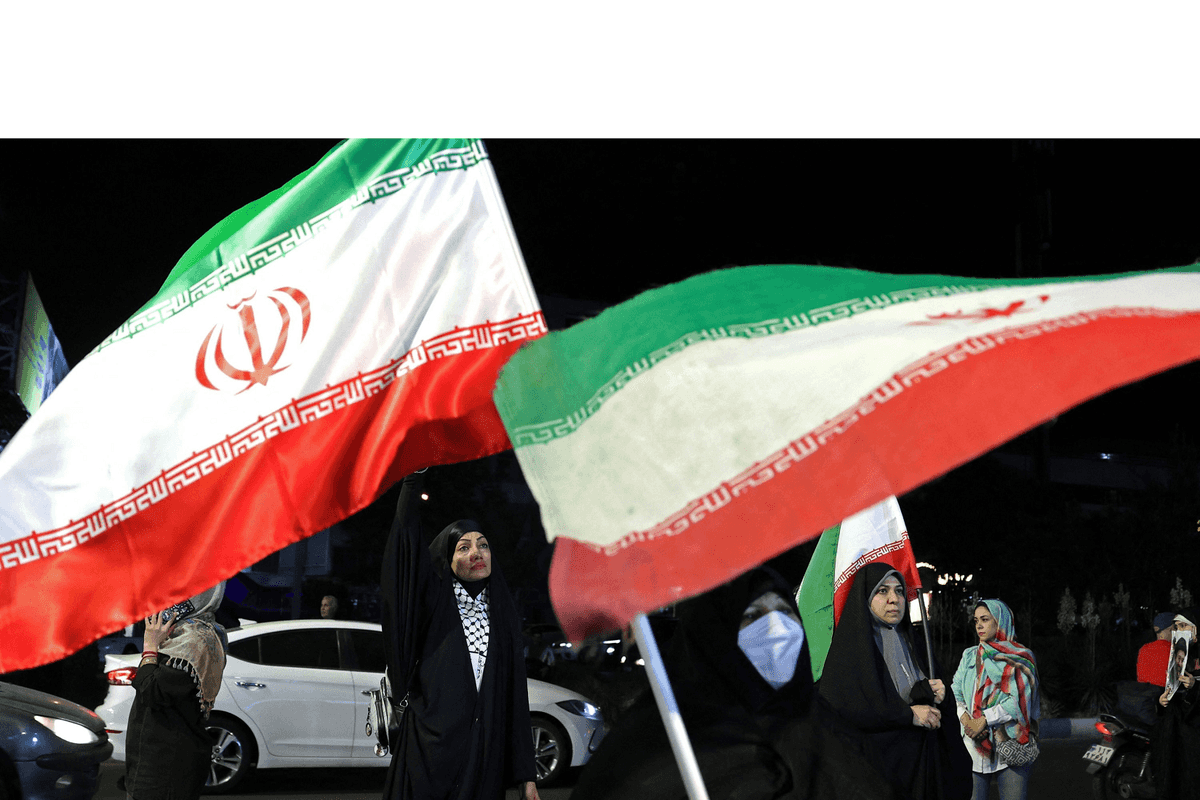
A senior Iranian official told Reuters on Wednesday that Iran and the United States held no discussions on extending their ceasefire, contradicting an earlier report of a Pakistan-brokered extension. Tehran said the deal never had a start date, so there was nothing to extend.
Has Iran agreed to extend the ceasefire with the US?
Iran says no such agreement exists. A senior Iranian official told Reuters there were no discussions to extend the ceasefire, since Tehran does not consider the deal to have had a start date. This contradicts an Anadolu report, citing Pakistani government sources, that both sides had agreed to extend the 60-day truce through Pakistani mediation.
The Anadolu report, based on the Islamabad Memorandum of Understanding, said both sides had conveyed consent to mediators and were exchanging messages on the extension period. That agreement is due to expire on Aug. 17. The conflicting accounts have cast uncertainty over the Pakistan-brokered ceasefire and efforts to revive talks between Washington and Tehran.
Why is the Strait of Hormuz still closed?
The US and Iran agreed to a Pakistan-brokered ceasefire in April and signed a memorandum of understanding on June 17, launching negotiations toward a final agreement. Those talks stalled over disagreements on security guarantees and freedom of navigation through the Strait of Hormuz, one of the world's most important routes for global energy supplies and trade.
Iran's top security official, Mohsen Rezaei, said Tuesday the waterway would stay closed unless Washington accepts Tehran's conditions, including the release of Iran's frozen assets and an end to conflicts in Lebanon and Gaza. "As long as America does not change its behavior and does not accept Iran's conditions, the Strait of Hormuz will not be opened," he said, according to Iran's semi-official Tasnim news agency. Shipping traffic through the strait has fallen sharply, with only eight vessels tracked on Tuesday, the lowest daily count since Aug. 5 and below a 10-day average of about 12, according to Kpler data.
What is happening with Houthi attacks on shipping?
The standoff has coincided with renewed attacks on regional shipping and fighting involving Yemen's Houthi group. Four crew members were killed Tuesday in a suspected Houthi attack on the Egyptian-owned Tihamah in the Bab el-Mandeb Strait, Yemen's Transport Ministry said. Two Yemeni rescuers were also killed, according to Yemen's Coast Guard, marking the first reported shipping fatalities in a Houthi attack since the Iran war began, according to Reuters.
The Houthis renewed ballistic missile attacks on Yemen's strategic Port of Mokha on Wednesday, state-run Saba TV reported, without detailing casualties or damage. The report followed government forces saying the Houthis had targeted Mokha with 10 ballistic missiles and four drones a day earlier. Iran has also warned that renewed US military action could put "energy transmission lines, power plants, all American and non-American systems, and even global internet-connected infrastructure" at risk, according to a spokesperson for Iran's Armed Forces.
How is Pakistan involved in Iran-US ceasefire efforts?
Pakistan continues to engage Tehran as part of efforts to strengthen bilateral ties. Iranian President Masoud Pezeshkian met Pakistan's Interior Minister Syed Mohsin Raza Naqvi in Tehran on Tuesday and praised Islamabad's commitment to closer relations. Pezeshkian said Iran was ready to expand cooperation with Pakistan across political, economic, trade, cultural and security fields.
Naqvi said his visit followed up on agreements reached during Iranian Interior Minister Eskandar Momeni's recent visit to Pakistan. He reaffirmed that Iran-Pakistan ties were "strong and unbreakable" and said Islamabad was committed to their comprehensive development. Separately, Mohammad Reza Naqdi, an adviser to the commander of Iran's Revolutionary Guard, told PBS the US military was "weaker than what we perceived," adding that Iran had gained experience over five months of conflict.



Comments
See what people are discussing