

Iran says US strikes on civilian infrastructure a 'gross war crime'
Iran called US strikes on civilian infrastructure and railway bridges a 'gross war crime' as the two countries traded attacks over the Strait of Hormuz

News Desk
The News Desk provides timely and factual coverage of national and international events, with an emphasis on accuracy and clarity.
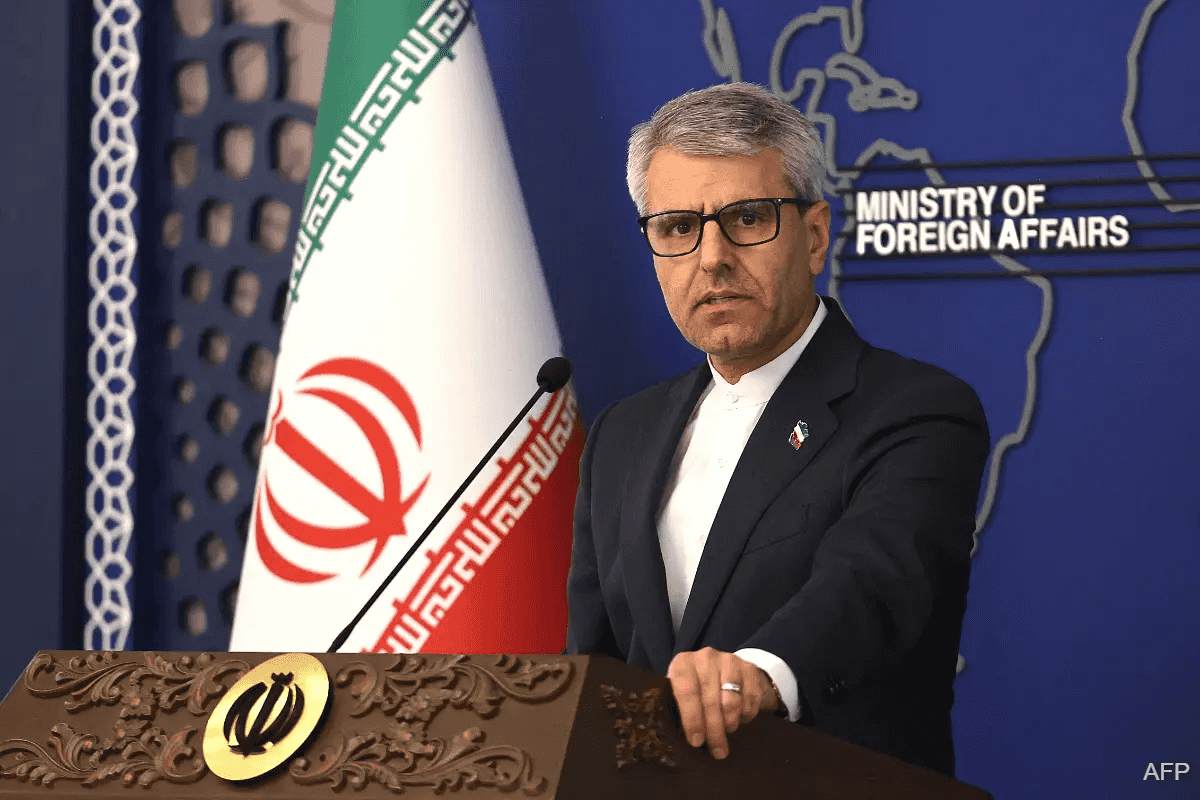
Iran's foreign ministry called US strikes on its railway bridges and coastal infrastructure a "gross war crime" on Thursday, as Washington and Tehran traded attacks for a second day over control of the Strait of Hormuz.
The ministry accused the "US terrorist army" of hitting civilian sites in Iran's southern and eastern provinces.
What did Iran say about the US strikes?
Iran's foreign ministry said the strikes hit several points along the southern coast and two railway bridges on the route to Mashhad. It labelled the attacks a "gross war crime" and described the US administration as "evil and psychopathic," language that matches its earlier accusations over Washington's targeting of civilian sites.
The ministry's statement condemned what it called aggressive attacks by the "US terrorist army" on infrastructure serving Iranian civilians. Qatar's prime minister, Sheikh Mohammed bin Abdulrahman al-Thani, separately urged Iran's foreign minister, Abbas Araghchi, to commit to diplomacy in a phone call. Al-Thani said both sides should implement the memorandum of understanding signed to end the war.
Why are Washington and Tehran fighting over the Strait of Hormuz?
The strait is a central flashpoint in the wider Middle East war. Tehran wants to control passage through the waterway, charging fees and threatening vessels that stray from its authorised route, despite the strait being open to free passage before US-Israeli attacks triggered the conflict in February.
US forces said their latest strikes targeted Iran's ability to threaten freedom of navigation through Hormuz, citing recent attacks on commercial ships. US Central Command said it hit roughly 90 military targets, including missile and drone storage sites and logistics facilities along Iran's coastline. The strikes killed three people and wounded several others near Ahvaz, Iran's state news agency IRNA reported.
After Wednesday's exchange of attacks, President Donald Trump said the ceasefire with Iran was "over," though he left room for further talks and warned any Iranian strikes would draw a swift response. He later said Iran had called seeking a deal but questioned its reliability, calling the Iranian side "sort of crazy."
How has Iran retaliated against US bases in the Gulf?
Iran's Revolutionary Guards said they struck key infrastructure at US bases in Arifjan and Ali Al Salem in Kuwait, and at Juffair and Sheikh Isa in Bahrain. The Iranian army later said it used one-way attack drones against sites in Kuwait, Bahrain and Qatar as part of the same wave.
An AFP journalist heard blasts in Manama, Bahrain's capital, while Kuwait said it intercepted hostile missile and drone attacks. Air-raid sirens sounded for a third time in Manama on Thursday, with the interior ministry urging residents to stay calm and move to the nearest safe location.
What infrastructure did the US strikes hit inside Iran?
Official Iranian media reported that US strikes hit a railway bridge in the country's northeast and a military base in coastal Bushehr, home to Iran's only civilian nuclear power plant. Warplanes were also heard over Kish Island, while explosions struck the port cities of Bandar Abbas, Konarak and Chabahar, cutting power in parts of the area.
Trump said on Truth Social that Wednesday's strikes were retaliation for Iran's earlier bombing of ships, warning the response would escalate if attacks continued. Iran's chief negotiator, Mohammad Bagher Ghalibaf, said the strait would reopen only under "Iranian arrangements" and warned Washington against further strikes.
What role is Pakistan playing as mediator in the conflict?
UN Secretary-General Antonio Guterres called on all parties to exercise maximum restraint, a call echoed by Pakistan in its role as a key mediator in US-Iran talks. The renewed strikes came hours before the burial of Iran's late supreme leader, Ali Khamenei, who was killed at the outbreak of the war on February 28.
Araghchi and Qatar's prime minister spoke by phone on Wednesday and stressed the importance of diplomatic solutions to regional disputes. Both the US and Iran said they struck dozens of targets in the initial wave of attacks, which Iranian state television said killed eight Iranian military personnel. CENTCOM said it hit more than 80 targets on Tuesday, while the Guards said they struck dozens of US facilities in Kuwait and Bahrain.
Is shipping still able to pass through the Strait of Hormuz?
Oman, which sits across the strait from Iran, condemned the attacks on ships without directly blaming Tehran, continuing its effort to stay neutral even as talks over Hormuz's administration test that position. The US wants free passage for vessels, while Iran is insisting on fees and has blocked ships from passing through Omani waters.
All three vessels recently attacked were sailing near Oman, which had set up a temporary transit corridor along its coast. Maritime traffic had briefly resumed after Washington and Tehran signed last month's deal to end hostilities, but International Maritime Organisation chief Arsenio Dominguez said Wednesday that nearly 6,000 seafarers remain stranded in the area.



Comments
See what people are discussing