

IRGC signals readiness for nuclear doctrine change as Iran weighs policy options
The IRGC says Iran will make preparations if its leadership revises its nuclear doctrine, though no decision has been announced, Fars news agency reported

News Desk
The News Desk provides timely and factual coverage of national and international events, with an emphasis on accuracy and clarity.
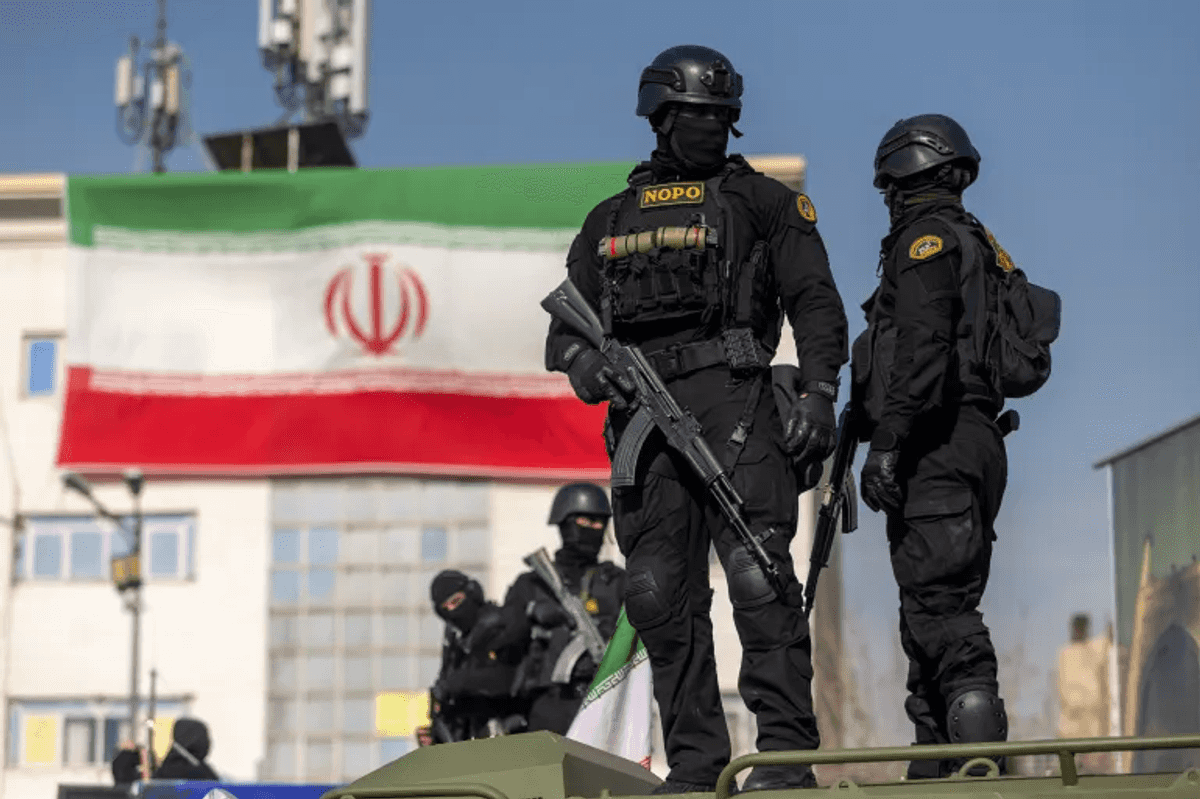
A spokesperson for Iran’s Islamic Revolution Guards Corps (IRGC) said on Saturday that the necessary preparations would be made if the country’s leadership decides to revise its nuclear doctrine. Brigadier General Hossein Mohebbi’s remarks were reported by the Fars news agency.
No such decision has been announced.
Is Iran changing its nuclear doctrine?
No change has been announced. Mohebbi said preparations would follow if the country’s leadership decides to revise its nuclear doctrine, and he did not say what a revised doctrine would involve. Last week, Major General Mohsen Rezaei, secretary of the Supreme National Security Council (SNSC), said officials were weighing possible changes but had made no decision.
What has Iran said about nuclear weapons?
Tehran has consistently maintained that its nuclear program is for purely peaceful purposes and that it has no intention of developing nuclear weapons. The late Supreme Leader, Ayatollah Seyed Ali Khamenei, issued a fatwa, or religious decree, declaring that acquiring, developing and using nuclear weapons violates Islamic principles and is forbidden.
What did Iran’s army say about the Strait of Hormuz?
Separately, Army spokesperson Brigadier General Mohammad Akraminia said the armed forces control the Strait of Hormuz and will keep it closed until the United States accepts Tehran’s terms, state news agency IRNA reported. He did not set out what those terms are.
Akraminia spoke on Friday evening at a ceremony in Pishva County, in Tehran Province, honoring commanders and pilots killed in the uprising of June 5, 1963. He warned that any renewed US aggression would bring an immediate response. American bases and interests in the Persian Gulf and elsewhere in West Asia, he said, were within range of Iranian drones and missiles.
He said forces would act on the orders of the current leader, Ayatollah Sayyid Mojtaba Hosseini Khamenei, to respond swiftly, effectively and without geographic limits. The army, the IRGC and the Law Enforcement Command were better prepared after their direct confrontation with the United States and Israel, he added, and public support had lifted morale. He pointed to 251 nights of solidarity gatherings as a factor in national unity.
Before the war, he said, about 130 ships passed through the strait each day, carrying 20 percent of the world’s oil along with jet fuel and chemical fertilizers.



Comments
See what people are discussing