

Mahmoud Abbas issues presidential decree setting Palestinian legislative vote for November 28
Palestinian President Mahmoud Abbas issued a historic decree setting the first Palestinian legislative vote in two decades for November 28

News Desk
The News Desk provides timely and factual coverage of national and international events, with an emphasis on accuracy and clarity.
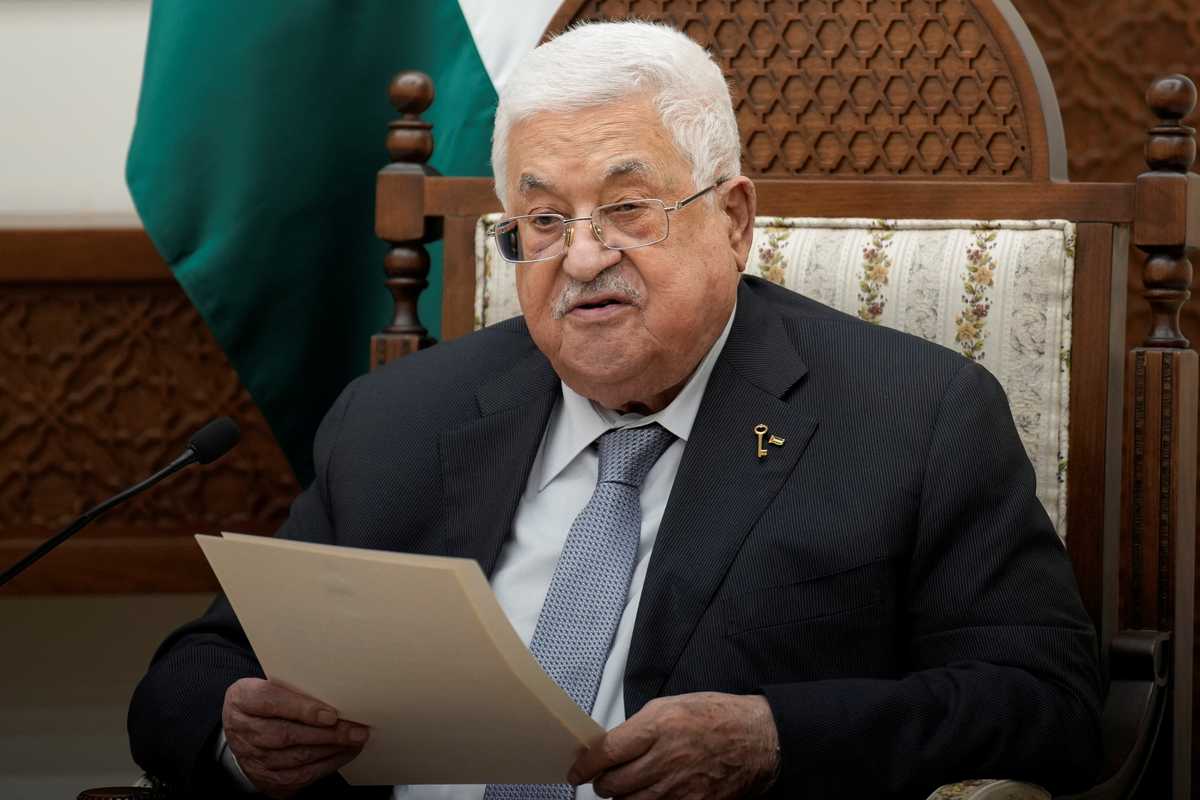
Palestinian President Mahmoud Abbas issued a historic decree in Ramallah on Thursday setting a new Palestinian legislative vote for November 28.
The major announcement marks the first democratic parliamentary election in two decades as international donors demand sweeping governance reforms.
Why is the upcoming Palestinian legislative vote historically significant?
This upcoming election represents the first democratic parliamentary process held in the territories since 2006, when Hamas defeated the ruling Fatah faction. Due to the subsequent political division, the legislative council has remained entirely inactive since 2007, making this decree a critical step toward restoring institutional legitimacy.
The official Wafa news agency reported that the presidential decree calls on citizens across Jerusalem, the West Bank, and the Gaza Strip to participate.
Holding transparent public elections is part of the core structural reforms demanded by the European Union, which financially supports the Ramallah-based administration. The 90-year-old president originally won the last executive election in 2005 with a clear mandate that officially expired back in 2009.
Abbas subsequently extended his initial four-year term indefinitely and has primarily ruled the fragmented territories through singular presidential decrees for many years.
This prolonged consolidation of executive authority has attracted severe criticism from domestic political factions and international human rights watchdogs alike.
Political science experts note that public legitimacy has eroded significantly over time because the population has been denied a regular democratic voice.
University professors state that a dangerous gap has formed between the local population and the aging leadership over the last two decades.
The total absence of a functioning parliament has caused immense structural damage to the foundations of the broader Palestinian political system. International donor nations are increasingly tying their critical financial and diplomatic assistance to concrete local governance improvements and anti-corruption campaigns.
What logistical challenges threaten the November elections?
The administration previously announced comprehensive legislative and presidential elections to take place during the summer months of the 2021 calendar year. However, officials postponed those scheduled polls indefinitely due to a total lack of security guarantees from Israel regarding East Jerusalem voters. More recently, citizens successfully went to the polls in April to elect municipal council heads across the occupied West Bank.
Analysts warn that the primary obstacles to the upcoming vote involve severe logistical disruptions stemming from the ongoing regional military occupation.
A specialized technocratic committee was recently formed to manage civilian governance in Gaza under a US-brokered ceasefire finalized last October. However, this independent administrative body has yet to physically enter the devastated coastal territory to establish secure voting infrastructure.
International diplomats bear a heavy responsibility to pressure regional forces to guarantee an appropriate and safe environment for civilian voters.
Security experts expect neighboring authorities to actively obstruct the democratic process because a legitimate Palestinian Authority challenges their strategic objectives. Although Abbas announced separate presidential elections for early 2027, commentators doubt the legislative process will yield major political shifts for Hamas.


Comments
See what people are discussing