


News Desk
The News Desk provides timely and factual coverage of national and international events, with an emphasis on accuracy and clarity.
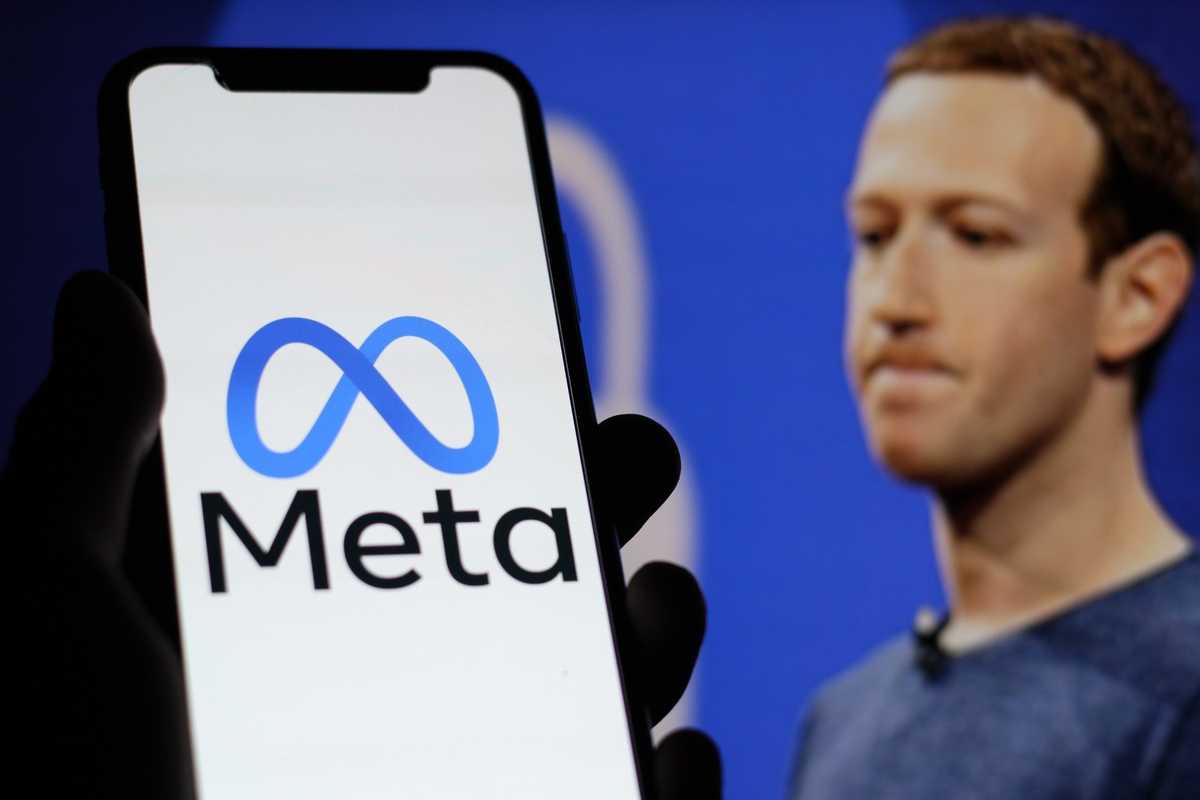
A New Mexico judge ordered Meta to pay $567 million on Thursday over claims that the company created a public nuisance and harmed children on Facebook and Instagram. The ruling builds on a $375 million verdict a jury reached against Meta in the same case in March.
What is Meta being fined $567 million for?
The fine addresses New Mexico's claim that Meta ran its platforms as a public nuisance that exposed children to predators and other harms. Judge Bryan Biedscheid ordered the money to fund treatment and prevention programs, and required Meta to change how it operates for young users. Meta said it disagrees with the ruling and plans to appeal.
What did the New Mexico lawsuit against Meta allege?
New Mexico Attorney General Raul Torrez sued Meta in 2023, arguing the company failed to protect children from online dangers. During closing arguments, prosecutor Linda Singer told jurors that Meta's algorithms pushed adults toward content posted by teenagers while the company withheld internal research on the risks to young users. In March, the jury found Meta had violated the state's Unfair Practices Act by misleading consumers about product safety for children.
Torrez said the case was always about protecting children and holding a major technology company accountable. He called the ruling a win for parents worried about social media's effect on their kids and for children who deserve a safer online experience.
How will the $567 million be spent?
About three-quarters of the fund is earmarked for mental health treatment, paid out over five years. The rest will go toward awareness and prevention efforts, screening and assessment, referral and coordination services, and program implementation and evaluation. Meta said it remains confident in its record on teen safety and will keep contesting claims it says misrepresent the facts.
What changes must Meta make to its platforms?
The ruling requires Meta to report to the court twice a year on its compliance efforts. It also orders the company to keep working to remove New Mexico users under 13 from Facebook and Instagram. Judge Biedscheid noted that teenagers are especially vulnerable to engagement-driving features such as autoplay, infinite scrolling, like counts, push notifications, and algorithmic recommendations.
Some of those features raise industry-wide and free speech concerns that extend beyond Meta alone, according to the ruling. Even so, the judge ordered Meta to cap push notifications and usage at 90 hours a month, roughly three hours a day, for users under 18. Meta must also hide like counts from younger users.
How does this case connect to other social media lawsuits?
Thousands of lawsuits are pending in the US over claims that social media companies harmed children's mental health. More than 30 states are suing Meta on similar grounds, with a bellwether trial expected to begin in August in Oakland, California. In July, a US teenager dropped a related lawsuit against Meta days before trial, after reaching confidential settlements with YouTube, TikTok, and Snap.
That case had been seen as a bellwether for resolving thousands of similar claims nationwide. The first bellwether trial on social media and mental health concluded in March, when a Los Angeles jury ordered Meta and Google to pay a 20-year-old woman $6 million. In May, Meta, Snap, TikTok, and YouTube reached separate confidential settlements with a Kentucky school district.





Comments
See what people are discussing