

National Refinery boosts diesel, petrol output ahead of $1.2 billion upgrade
HSD production has risen about 42% and petrol output about 88% since FY22 as the company awaits approval of the refinery policy

Habib Khan
Correspondent/Producer
Abdul Habib Khan is a dedicated professional, holding a B.S in Mass Communication from the University of Karachi. With over 9 years of experience in journalism, social media management, and content writing, with notable roles at Nukta, Suno News, and 24 News HD.
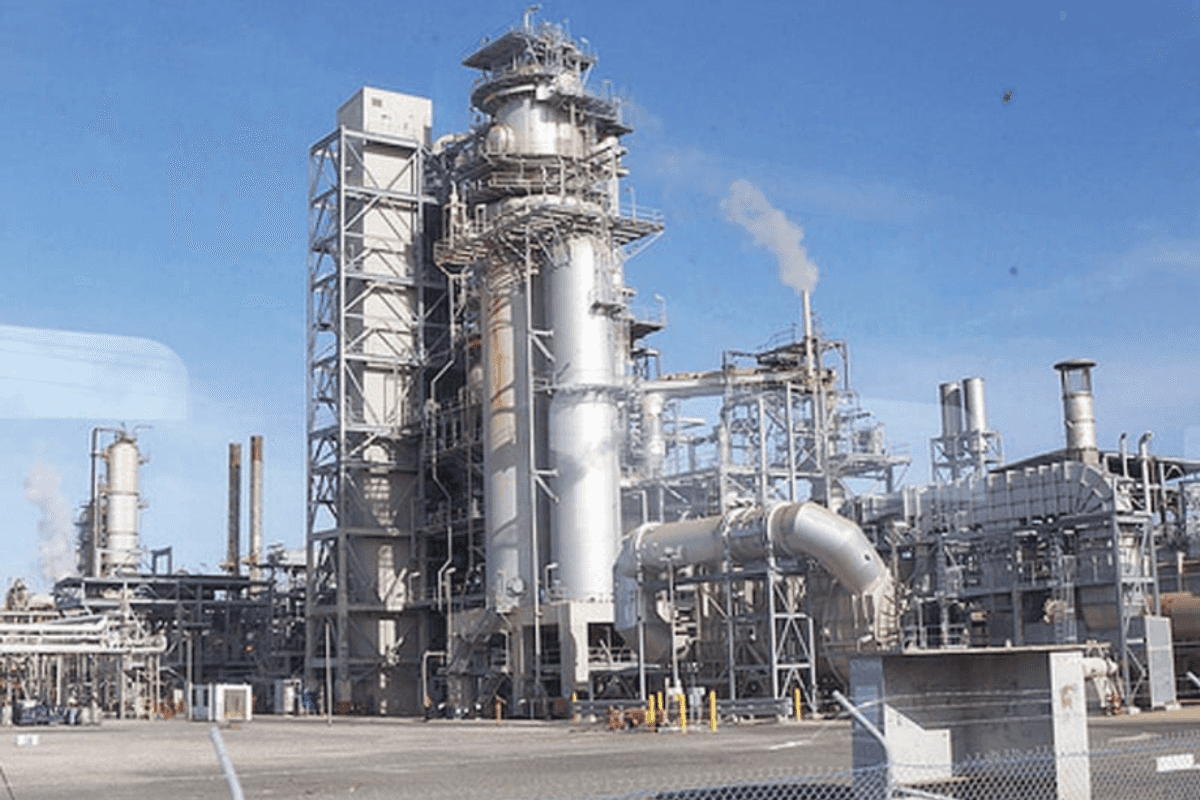
National Refinery eyes USD 1.2 billion upgrade after boosting fuel output
National Refinery Limited
Pakistan's National Refinery Limited (NRL) has significantly increased production of its two highest-value fuels, with high-speed diesel (HSD) output rising about 41.7% and motor spirit (petrol) production increasing 87.5% since FY22, as the company positions itself for a major refinery upgrade once the government's long-awaited refinery policy is approved, Chief Executive Officer Asad Hasan said in an interview with Nukta.
Hasan said HSD production is expected to reach about 900,000 tons in FY26, up from about 635,000 tons in FY22, while petrol production is projected to increase to around 300,000 tons from about 160,000 tons over the same period.
The improved product mix reflects NRL's strategy to increase production of higher-value fuels. Hasan said the refinery policy is expected to be finalized soon, as most outstanding issues have been resolved.
According to Hasan, the planned brownfield refinery upgrade will require capital expenditure of between USD 400 million and USD 1.2 billion and is expected to take five to six years after the refinery policy is approved and implemented.
The modernization project will enable NRL to produce Euro-V compliant fuels while significantly reducing furnace oil production, improving both environmental standards and the refinery's product mix.
"As part of our diversification and new market development initiatives, NRL has also significantly increased exports of products including furnace oil, naphtha, lube base oils, bitumen and waxes," Hasan said.
On financing, Hasan said up to 27.5% of the project cost for a new plant could be financed through the OGRA escrow account, with the remainder funded through internal cash flows and borrowings under an optimal debt-to-equity structure of either 80:20 or 70:30.
Despite improvements in fuel production, lubricant base oil output is expected to decline to around 125,000 tons in FY26 from 156,000 tons in FY22, reflecting changes in the refinery's production mix.
Hasan said NRL's operating cost remains around USD 8-9 per barrel, higher than the USD 5-6 per barrel incurred by conventional hydro-skimming refineries because NRL is Pakistan's only refinery with an integrated lubricant base oil production facility.
He said widespread undocumented cross-border diesel inflows had previously reduced refinery throughput, but the recent decline in such activity, mainly due to government initiatives and the prevailing situation in the neighboring country, has improved market conditions.
"As a result, the company has been able to sell its entire HSD production in recent days," Hasan said.
Discussing market conditions, Hasan said the Iran-U.S. conflict drove crude oil prices from around USD 69 per barrel in February to an average of USD 126 per barrel in March, while freight and insurance costs rose from approximately USD 1-1.5 per barrel to as high as USD 11 per barrel, averaging about USD 5-6 per barrel.
The surge significantly increased the refinery's working capital requirements, with credit line utilization rising to around PKR 150 billion from approximately PKR 50 billion, which had previously been sufficient to finance five crude cargoes.
Hasan said the decline in petroleum product prices toward the end of the fourth quarter of FY26 is expected to result in inventory losses that could offset gains made during the earlier price rally.
He added that weak domestic demand for bitumen and furnace oil has forced the company to export those products at lower margins, weighing on profitability.
NRL currently operates with a crude mix of about 70% light crude and 30% heavy crude. Hasan said the refinery can operate at 85% to 90% of its nameplate capacity when processing lighter crude, although some heavy crude is still required to produce lubricant base oils.




Comments
See what people are discussing