

Netanyahu pushes controversial bills ahead of Israel's national elections
Benjamin Netanyahu is racing to pass a series of priority bills for his coalition partners before parliament dissolves ahead of the Israel national elections

News Desk
The News Desk provides timely and factual coverage of national and international events, with an emphasis on accuracy and clarity.
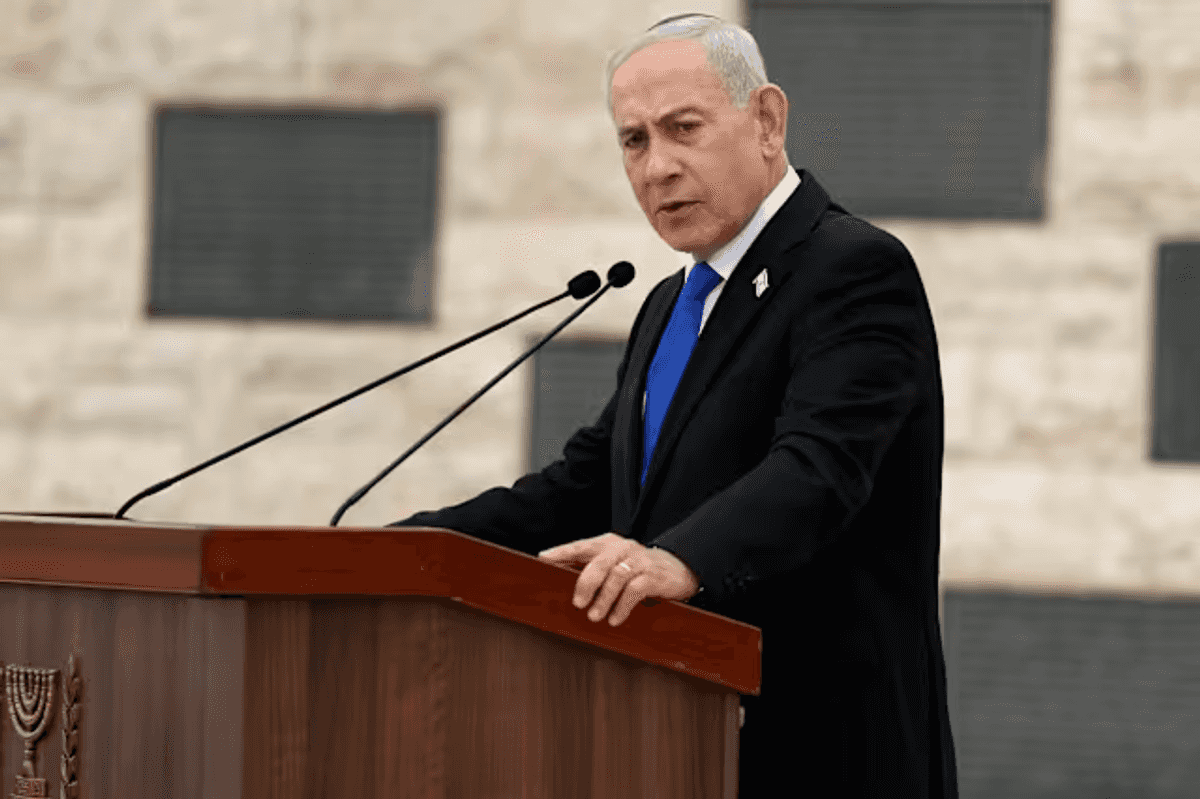
Prime Minister Benjamin Netanyahu’s government is racing to pass seven priority bills in Jerusalem before parliament dissolves in the coming days. The legislative push aims to shore up vital alliances four months ahead of the highly contested Israeli national elections.
Why is the Israeli government fast tracking bills before the election?
The ruling coalition is fast-tracking these priority measures to satisfy the specific political demands of various Orthodox and nationalist factions. Netanyahu hopes these legislative bargains will firmly solidify his alliances and allow him to enter the late October vote from a position of strength.
The veteran prime minister faces intense public anger over security failures that led to the devastating October 2023 Hamas attacks and subsequent warfare.
Opposition leader Yair Lapid condemned the ongoing legislative proceedings on social media by accusing the ruling administration of focusing entirely on political self-preservation. Meanwhile, recent opinion polls suggest that the current governing coalition might severely struggle to return to office after the upcoming vote.
The most controversial piece of legislation currently under review concerns sweeping military service exemptions for ultra-Orthodox students engaged in long-term religious studies.
Religious parties have repeatedly threatened to bring down the ruling government if their constituents are forced to join the national armed forces. The draft bill states that the state will officially recognize full-time Torah study as a meaningful service for the Jewish people.
The proposed legislation has brought thousands of angry Israelis onto the streets and inflamed intense debates on multiple national political television programs.
Former military chief Gadi Eisenkot emerged as a primary electoral rival and accused the prime minister of exploiting the final legislative days. Eisenkot asserted that his newly formed Yashar party remains uniquely capable of establishing a stable and transparent national government next autumn.
Lawmakers from the ultra-Orthodox parties agreed to support a major broadcasting sector reform proposed by Netanyahu's Likud party in exchange for the draft exemptions.
Supporters present the media overhaul as a necessary measure to encourage commercial competition across television, radio, and streaming platforms throughout the country. However, vocal critics condemn the broadcasting reform as an authoritarian attempt to exert strict political control over independent news organizations.
What other controversial reforms are being debated in the Knesset?
Another significant bill under active consideration aims to drastically weaken the legal authority of the state attorney general and government legal adviser.
The Likud party wants to undermine the current office holder, Gali Baharav-Miara, by stipulating that her official legal opinions are no longer binding. The opposition formally accuses the government of attempting to eliminate independent judicial checks and politicize ongoing criminal prosecutions against state leaders.
The ruling coalition is also seeking to repeal a previous economic reform that successfully ended the religious authority’s monopoly over kosher certifications. Ultra-Orthodox parties like Shas are aggressively pushing the repeal to protect their institutional financial interests at the direct expense of local consumers. Critics note that the original competitive framework was widely expected to reduce operating costs for restaurant owners and decrease food prices.
The Knesset is scheduled to dissolve automatically on July 15 to conclude its summer session before the upcoming Israel national elections on October 27.
However, lawmakers maintain the legal option to extend the current session by up to 12 days to finalize these complicated legislative proceedings. Heated disagreements within the governing coalition itself make it highly uncertain if all seven priority bills will pass before the absolute deadline.




Comments
See what people are discussing