

Oil prices rise further as hopes for Hormuz deal fade
Crude climbs further as US-Iran talks to reopen the Strait of Hormuz stall, reviving inflation fears and bets on a Fed rate hike

News Desk
The News Desk provides timely and factual coverage of national and international events, with an emphasis on accuracy and clarity.
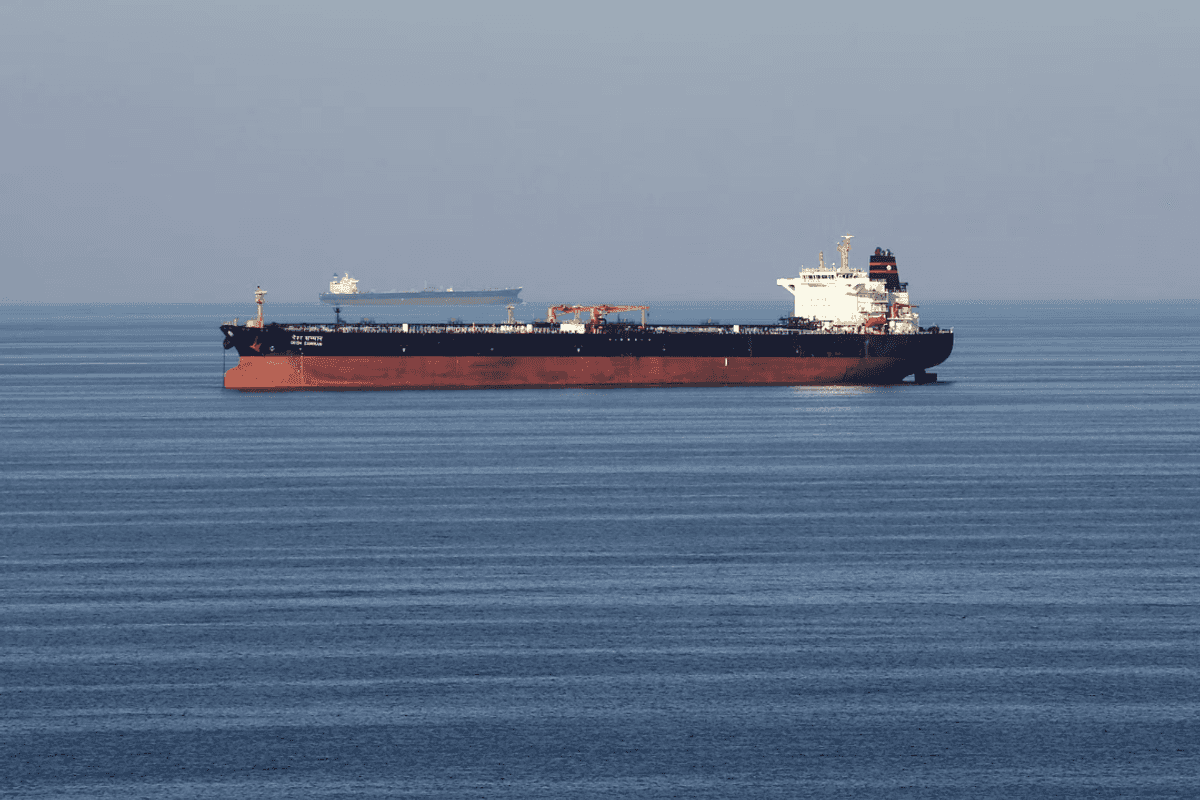
Oil prices extended gains Tuesday as hopes for reopening the Strait of Hormuz continue to fade, reviving inflation fears and lifting bets on at least one US interest rate hike this year. Crude has surged around 10 percent over the past week, with Washington and Tehran no closer to a deal on the crucial waterway despite earlier upbeat comments from the White House.
Why are oil prices rising this week?
Oil prices are climbing because talks to reopen the Strait of Hormuz have stalled, with the United States and Iran trading demands for compensation instead of moving toward an agreement. The impasse is reviving inflation concerns and raising the odds of a Federal Reserve rate increase later this year.
What did Trump say about Iran compensation?
Donald Trump said Monday he would seek conflict compensation from Iran as part of any peace negotiations, citing attacks and killings stretching back decades that he alleged were backed or carried out by Tehran. The announcement was a direct response to Iran's demand for US war reparations as a precondition for resolving the crisis.
Trump's remarks came a day after he said he was "low-keying" his approach to the conflict, suggesting he was willing to let economic pressure build instead of ordering further military strikes. The latest exchange risks pushing a quick agreement further out of reach. Both main crude contracts jumped around five percent on Monday and extended those gains Tuesday.
How are analysts reading the standoff?
Jason Wong of BNZ wrote that in the absence of positive headlines on negotiations to reopen the strait, pressure on oil prices has stayed upward. Stephen Innes, global strategist at Quintex Intel, said both sides are effectively trying to weaponize the oil barrel without firing another shot: Washington is working to choke off Iran's ability to export crude, while Tehran is squeezing the artery through which everyone else's crude passes. He called it quite the game of chicken.
Could higher oil prices affect the Fed's next move?
The prospect of oil prices staying elevated has revived inflation concerns and boosted expectations of a rate increase. A surprise loss of more than 20,000 US jobs last month had eased fears of a Fed hike, but a fresh spike in price pressures could force the central bank's hand.
Cleveland Fed President Beth Hammack told Yahoo Finance on Monday that one 25 basis point move probably does not do a lot for the economy on its own, so it is likely to take some number of moves, though she declined to say how many. Traders are now awaiting Wednesday's consumer price data, which could help guide the Fed's next decision. The US-Iran deadlock and rising crude costs form the backdrop for that release.
How did Asian markets respond?
Asian equities were mixed following a tepid session on Wall Street. Shanghai, Wellington, Taipei and Manila all edged down, while Hong Kong, Sydney, Singapore and Seoul posted gains. Tokyo was closed for a holiday.





Comments
See what people are discussing