

Four tankers ablaze in Strait of Hormuz as Iran reports mine strikes in unauthorized corridor
At least four commercial oil tankers face attacks or catch fire across the Strait of Hormuz within 24 hours, Iran’s Revolutionary Guard confirms that three vessels struke naval mines after ignoring transit bans

News Desk
The News Desk provides timely and factual coverage of national and international events, with an emphasis on accuracy and clarity.
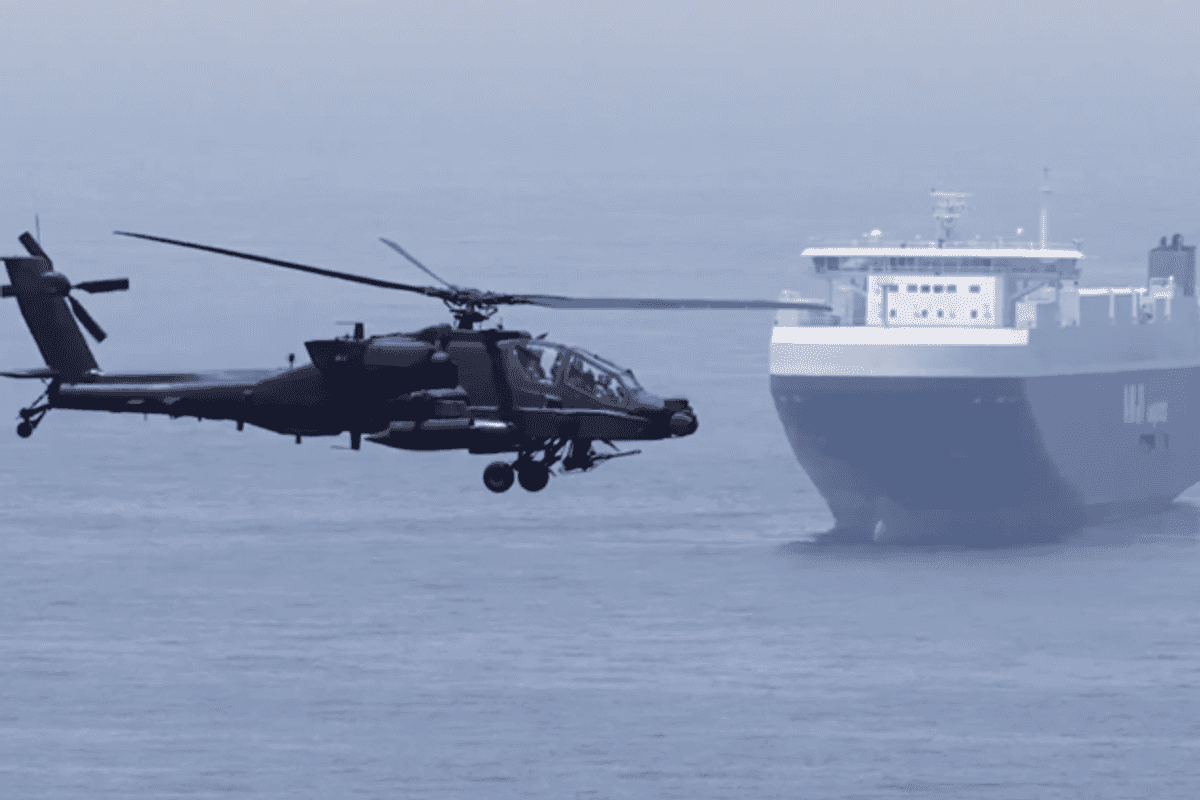
Maritime navigation through the Strait of Hormuz faced severe disruptions on Friday, after at least four commercial oil tankers were involved in maritime incidents or set ablaze over a 24-hour span, according to reports from international naval watchdogs and Iranian military authorities.
What did UKMTO and international monitors report near Oman?
According to the United Kingdom Maritime Trade Operations (UKMTO), an emergency incident was logged in the waterway northeast of Khasab, Oman, after a third-party merchant vessel reported sighting an outbound oil tanker on fire.
UKMTO WARNING 187-26 UPDATE 001Click here to view the full product⤵️https://t.co/ashHdPmfaI#MaritimeSecurity #MarSec https://t.co/PO5X3LlNCO
— UKMTO Operations Centre (@UK_MTO) October 30, 2026
The UKMTO stated that the cause of the fire remains under formal investigation, with initial reports unable to verify the operational status of the crew, the extent of structural damage, or the presence of environmental spills.
Regional maritime security agencies advised all commercial traffic transiting the southern corridors of the Persian Gulf and the Gulf of Oman to exercise extreme caution and immediately report suspicious aerial or naval movements.
How did IRGC explain mine strikes and crew abandonments?
Separately, Iranian state media reported that the Islamic Revolutionary Guard Corps (IRGC) Navy confirmed three additional tankers caught fire and were abandoned by their crews off the southern coast of the Strait of Hormuz after detonating naval mines.
According to the IRGC, the three commercial tankers had deactivated their onboard automatic identification systems (AIS) and navigation tracking equipment, ignoring repeated verbal and radio warnings issued by Iranian naval patrols while attempting to navigate an unauthorized southern maritime passage.
The naval branch stated that non-designated transit lanes through the strategic chokepoint have been actively mined as part of defensive denial operations, asserting that vessel owners, charterers, and shipping companies bear sole operational and legal liability for navigating restricted waters.
The IRGC also warned maritime operators against following navigation advisories broadcast on social media channels by United States Central Command (CENTCOM).
The Iranian command cautioned that "the facts on the ground will determine the outcome," declaring that unauthorized movements that breach Tehran's regulatory regime in the waterway will be met with decisive countermeasures.
What is current operational status of Strait of Hormuz?
The maritime casualties follow an announcement by Iranian Army spokesman Brigadier General Mohammad Akraminia, who reiterated that the Strait of Hormuz remains under the operational command of Iran’s armed forces and will remain closed to unauthorized shipping until Tehran’s security and sanctions preconditions are met.
Iranian authorities maintain that transit restrictions, originally imposed following armed confrontations earlier in the year, were reinstated after foreign naval forces violated subsequent diplomatic understandings, resulting in the suspension of uncoordinated commercial traffic.





Comments
See what people are discussing