

Oman postpones regional talks on Strait of Hormuz maritime security as Gulf nations hesitate
A planned regional summit in Salalah between Iran and Gulf Cooperation Council (GCC) states regarding shipping protocols through the Strait of Hormuz was postponed indefinitely after regional countries failed to reach a consensus on attendance

News Desk
The News Desk provides timely and factual coverage of national and international events, with an emphasis on accuracy and clarity.
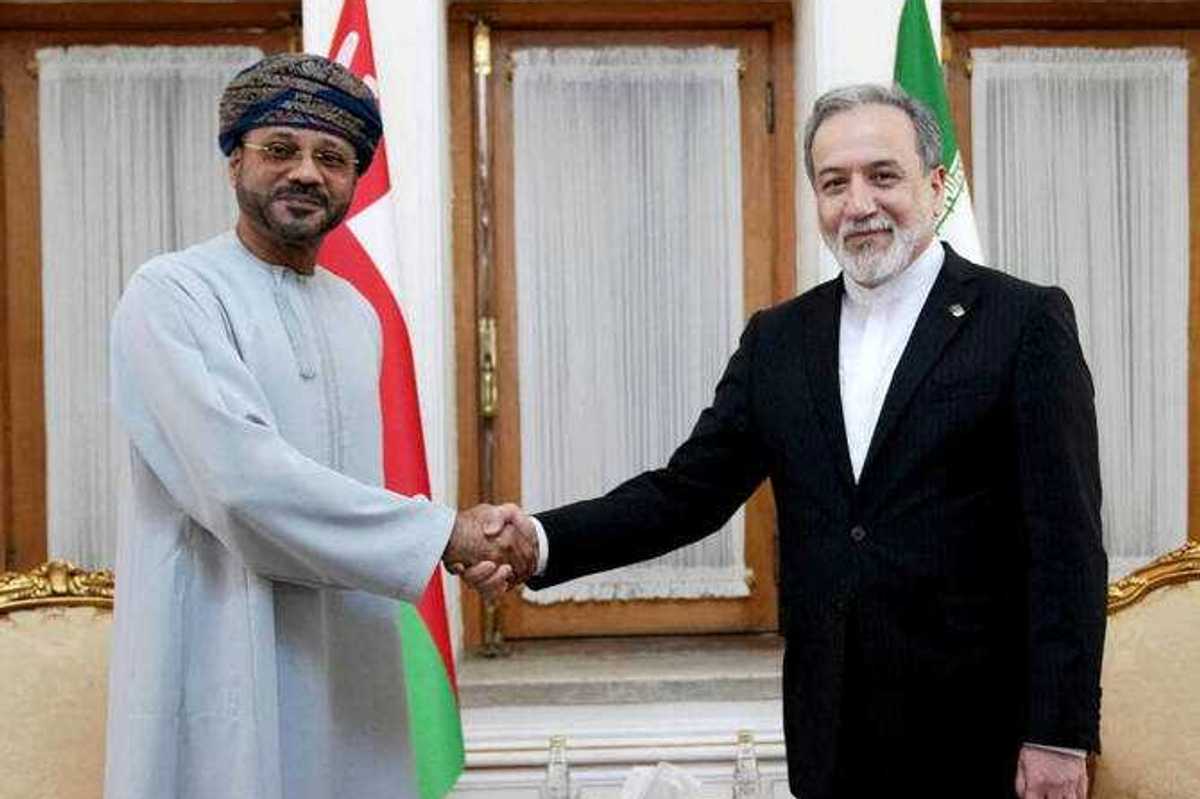
The Sultanate of Oman announced on Sunday the postponement of a high-stakes regional meeting between Iran and Persian Gulf nations aimed at addressing the ongoing blockade and transit protocols through the Strait of Hormuz.
Why were the Salalah negotiations postponed?
The talks, scheduled for Monday, September 14, in the Omani coastal city of Salalah, were deferred "in the interests of consensus," according to Omani Foreign Minister Badr Albusaidi. Writing on X, Albusaidi stated that Muscat remains "determined to promote dialogue that contributes to stability and lasting cooperation in our region". The official Oman News Agency (ONA) similarly confirmed that the postponement aimed to create conditions more conducive to constructive diplomacy.
While Iran's Foreign Ministry had previously announced the initiative, claiming that Iraq and neighboring Gulf Cooperation Council (GCC) states would participate, no regional government formally confirmed attendance prior to the gathering. Bahrain explicitly ruled out participating, while senior Iranian diplomats told reporters that the delay was requested by several regional countries seeking further internal consultations.
What is the impact on regional energy routes and global crude markets?
The diplomatic setback comes as global energy markets face severe turmoil, with benchmark crude oil prices surging past $100 per barrel amidst ongoing disruptions in the Persian Gulf. Since the outbreak of hostilities between the United States, Israel, and Iran on February 28, Tehran has maintained a strict transit regime over the Strait of Hormuz, requiring commercial vessels to secure Iranian clearance and evaluating new transit fees. In response, US naval forces have enforced a counter-blockade targeting Iranian ports and maritime infrastructure.
According to the Financial Times, the impasse over the Strait of Hormuz is compounded by expanding military actions elsewhere in the region. Recent offensives by Yemen's Houthi rebels have secured control over the strategic Bab al-Mandab Strait, while drone strikes launched from Iraq recently forced the temporary closure of Saudi Arabia's East-West pipeline. With regional diplomatic talks on hold, maritime carriers face continued uncertainty across both primary Middle Eastern shipping bottlenecks.





Comments
See what people are discussing