

Pakistan and Afghan Taliban resume talks in China as Beijing mediates
Sources say dialogue in Urumqi seeks to enhance coordination, reduce tensions and explore pathways for strengthened cooperation between the two sides
Aamir Abbasi
Editor, Islamabad
Aamir; a journalist with 15 years of experience, working in Newspaper, TV and Digital Media. Worked in Field, covered Big Legal Constitutional and Political Events in Pakistan since 2009 with Pakistan’s Top Media Organizations. Graduate of Quaid I Azam University Islamabad.
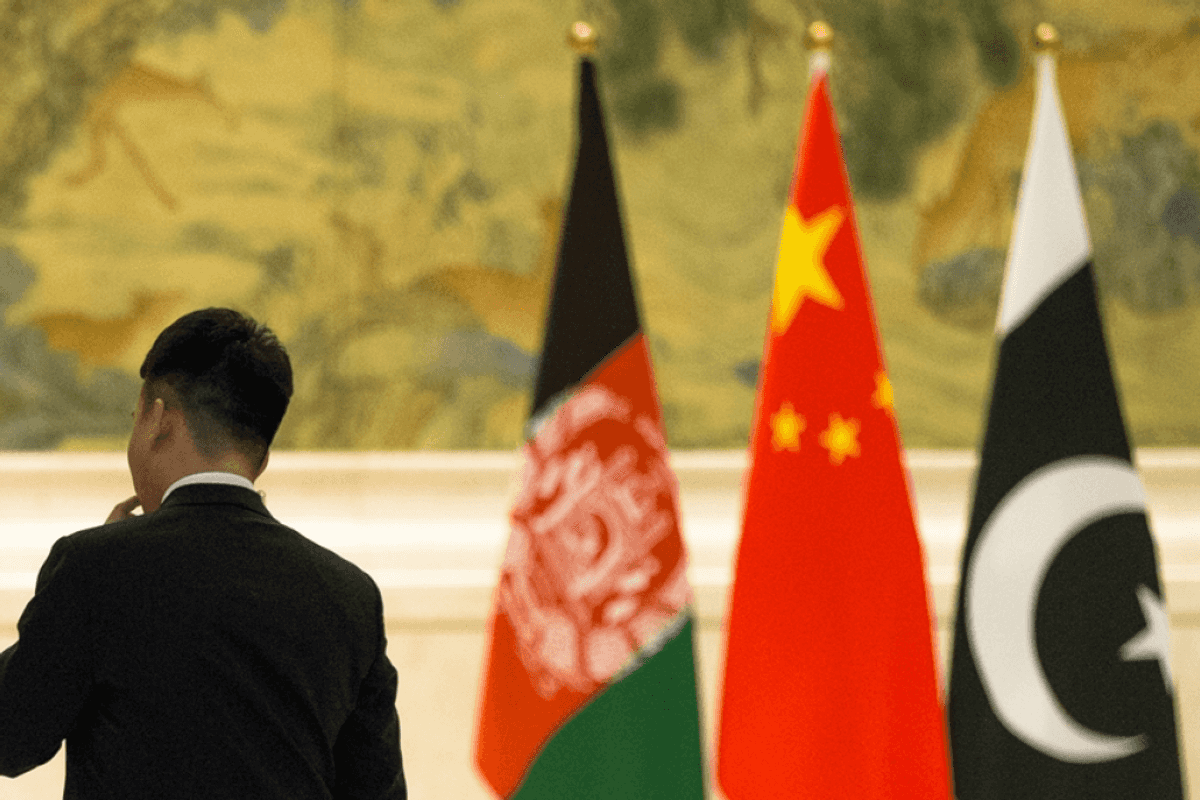
Both Pakistan and China underscored that a peaceful and stable Afghanistan is critical for regional connectivity.
File
Pakistan and the Afghan Taliban resumed on Wednesday senior-level negotiations in Urumqi, China, with Beijing playing a mediating role, diplomatic sources said.
The talks aim to address bilateral concerns, regional security challenges, and avenues for greater cooperation.
The Pakistani delegation is led by an additional secretary from the Ministry of Foreign Affairs, signaling engagement at a senior bureaucratic level. Sources said the dialogue seeks to enhance coordination, reduce tensions, and explore pathways for strengthened cooperation between the two sides.
The discussions come amid broader strategic talks between Pakistan and China, with Pakistan’s Deputy Prime Minister and Foreign Minister Ishaq Dar meeting Chinese Foreign Minister Wang Yi in Beijing from 31 March to 1 April. Those meetings are focused on regional stability, cross-border security, and the wider economic and connectivity implications for South Asia.
Afghan security at the forefront
Pakistan has highlighted concerns over cross-border militancy, including Tehreek-e-Taliban Pakistan (TTP) fighters reportedly operating from Afghan territory. Islamabad has urged Afghan authorities to act against such groups, while Kabul denies allowing its soil to be used for attacks against any country.
Relations between the two countries have remained strained since the Taliban’s return to power in 2021, shaped by cross-border attacks, disputes over the Durand Line, refugee pressures with millions of Afghans in Pakistan, and ongoing counterterrorism operations along the western border.
Both Pakistan and China underscored that a peaceful and stable Afghanistan is critical for regional connectivity, economic growth, and the success of projects such as the China-Pakistan Economic Corridor (CPEC). They called for inclusive governance and effective counterterrorism measures and agreed to maintain close coordination on the issue.
Regional diplomacy and bilateral relations
Beyond Afghanistan, Dar and Wang also discussed broader regional developments, particularly in West Asia. Dar briefed Wang on Pakistan’s diplomatic efforts to promote ceasefires and dialogue in the Middle East, including a recent meeting in Islamabad with key regional foreign ministers.
Both sides expressed concern over the socio-economic impact of ongoing conflicts and jointly launched a five-point initiative to restore peace and stability in the Gulf and wider Middle East. Wang Yi praised Pakistan’s proactive diplomatic role and reaffirmed China’s support for these efforts.
The meeting also reviewed bilateral relations, with both countries noting progress under CPEC and highlighting the next phase, CPEC 2.0. They emphasized high-quality development, enhanced strategic cooperation, and increased high-level exchanges as Pakistan and China mark 75 years of diplomatic ties.
Dar expressed gratitude for China’s hospitality, with both countries agreeing to maintain close contact on regional and global issues.



Comments
See what people are discussing