

Pakistan businesses warn oil nearing USD 100 could raise import bill, hurt exports
FPCCI President Atif Ikram Sheikh warns rising oil prices and Middle East tensions could raise Pakistan's import bill and squeeze exporters' competitiveness

Business Desk
The Business Desk tracks economic trends, market movements, and business developments, offering analysis of both local and global financial news.
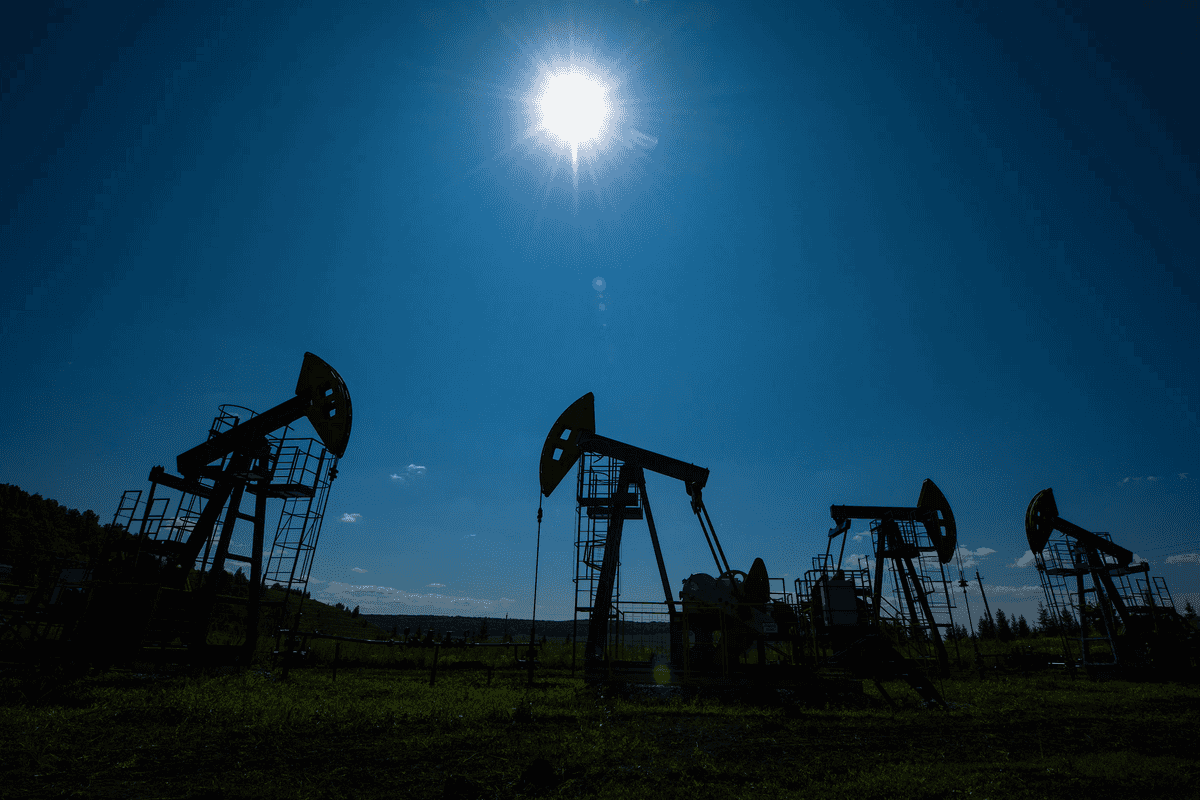
Pakistan's business community is deeply concerned about rising global oil prices amid growing tensions in the Middle East. Federation of Pakistan Chambers of Commerce and Industry (FPCCI) President Atif Ikram Sheikh said in Islamabad that crude prices approaching USD 100 a barrel could increase the country's import bill and pressure businesses and exports.
Why is FPCCI warning about rising oil prices?
FPCCI says the surge in international oil prices signals a "warning bell" for the global economy, particularly for energy-import-dependent countries like Pakistan. Sheikh said rising prices are already increasing pressure on Pakistan's import bill and urged the government to take immediate steps to contain energy prices and business costs.
How could higher oil prices affect Pakistani exporters?
Sheikh warned that higher energy costs could undermine the competitiveness of Pakistani industries and exporters, especially if global crude prices keep climbing. He said escalating regional tensions could also raise global trade, shipping and insurance costs, disrupting supply chains and creating new challenges for the global economy. "The business community is facing new economic challenges because of uncertainty in global markets," he said.
What is FPCCI asking the government to do?
Sheikh called for an alternative strategy to shield Pakistan from rising international energy prices. He urged the government to give greater support to the private sector to boost exports and reduce the country's reliance on imports. He also stressed the need for closer coordination between the government and business community to manage the potential impact of an energy crisis. "Economic stability, business continuity and a conducive environment for industry and trade should be Pakistan's top priorities amid global economic uncertainty," he said.
What is driving the rise in oil prices?
Sheikh pointed to renewed tensions between the United States and Iran, along with Houthi attacks on Saudi Arabia, as risks that could disrupt global trade and supply chains. He warned that escalating tensions in the Middle East could push international crude prices above USD 100 a barrel, with the effects falling more heavily on developing economies.
Pakistan relies heavily on imported fuel to meet its energy needs and could face higher import costs if the oil price surge continues. Sheikh called on all parties to exercise restraint, saying peace and stability in the region serve the interests of trade and economic activity, for Pakistan and the wider world.





Comments
See what people are discussing