Pakistan’s Economic Coordination Committee (ECC) on Friday approved a government guarantee worth PKR 659.6 billion to help address circular debt financing of PKR 1.225 trillion in the power sector - a major step toward stabilizing the country’s fragile energy finances.
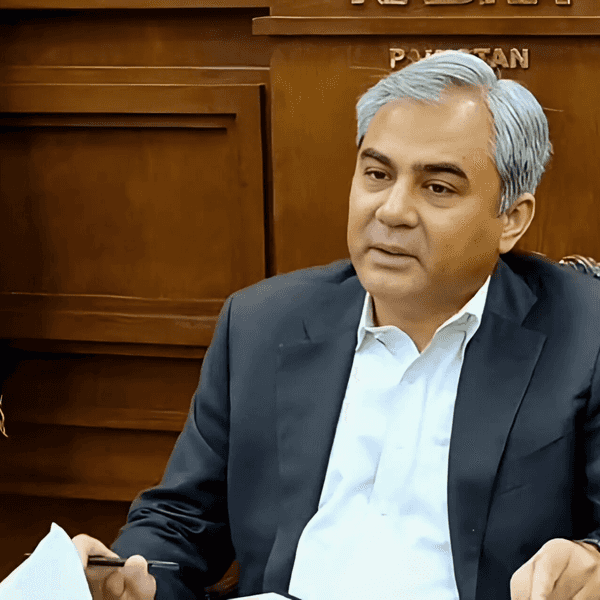
The decision came during an ECC meeting chaired by Finance Minister Muhammad Aurangzeb at the Finance Division in Islamabad. The guarantee will be used to settle Power Holding Limited’s (PHL) outstanding debt and overdue payments to Independent Power Producers (IPPs), a move expected to ease liquidity constraints and improve cash flow across the energy chain.
The ECC also authorized the Finance Division to issue a Letter of Comfort to support the debt settlement and instructed the Power Division to present a clear timeline for winding down PHL once the settlement process is complete. Officials said the move reflects the government’s broader effort to strengthen the financial health of the energy system and curb the recurring build-up of circular debt.
Energy reform framework endorsed
Alongside the debt settlement decision, the ECC endorsed a comprehensive framework for energy sector reforms, covering tariff rationalization and payment settlements involving nuclear power plants (NPPs), government-owned power producers (GPPs), the Oil and Gas Development Company Limited (OGDCL), and Sui Northern Gas Pipelines Limited (SNGPL).
The proposal, developed by the Prime Minister’s Task Force on Power Sector Reforms, aims to enhance financial sustainability, streamline inter-agency payments, and reduce costs. The ECC approved an agreed framework for settling outstanding dues and waiving select financial claims to maintain fiscal balance and enable tariff adjustments.
“These measures are central to achieving long-term cost efficiency and stability in Pakistan’s energy sector,” the ECC said in an official statement.
Remittance scheme to be phased out gradually
The ECC also approved a Finance Division summary for the gradual phase-out of the Home Remittance Incentive Scheme (HRIS). The committee endorsed a data-driven approach to ensure stability in remittance inflows — a vital source of foreign exchange for the country.
Following the State Bank of Pakistan’s advice, the ECC warned that an abrupt end to the scheme could disrupt inflows. It recommended a phased withdrawal based on performance indicators, with the timeline possibly extending beyond FY2027 depending on remittance trends and the outcome of the FY2026 review.
Agriculture and maritime updates
The ECC approved a proposal from the Ministry of National Food Security and Research to reallocate funds within the division, allowing a supplementary grant from the Inter-Provincial Coordination (IPC) Division to sustain ongoing agricultural research projects.
Separately, the Ministry of Maritime Affairs submitted a proposal outlining terms for utilizing the Pakistan International Bulk Terminal (PIBT) at Port Qasim for handling and exporting copper, gold, and other mineral commodities. The ECC deferred the matter, directing the ministry to consult stakeholders and present a more detailed operational plan.
Context and outlook
Pakistan’s power sector has long been weighed down by mounting circular debt - which exceeded PKR 2.6 trillion earlier this year - driven by inefficiencies, delayed tariff adjustments, and unpaid subsidies.
By clearing part of the backlog and introducing structural reforms, the government aims to restore investor confidence, improve payment flows to energy producers, and lay the groundwork for sustainable sectoral reform.
Finance Minister Aurangzeb said the ECC’s decisions reflect the government’s “commitment to fiscal discipline, transparency, and long-term energy reform,” underscoring alignment with Pakistan’s broader economic stabilization agenda.





Comments
See what people are discussing