

Pakistan central bank raises remittance forecast on Eid inflows
SBP sees FY26 remittances at $42 billion

Business Desk
The Business Desk tracks economic trends, market movements, and business developments, offering analysis of both local and global financial news.
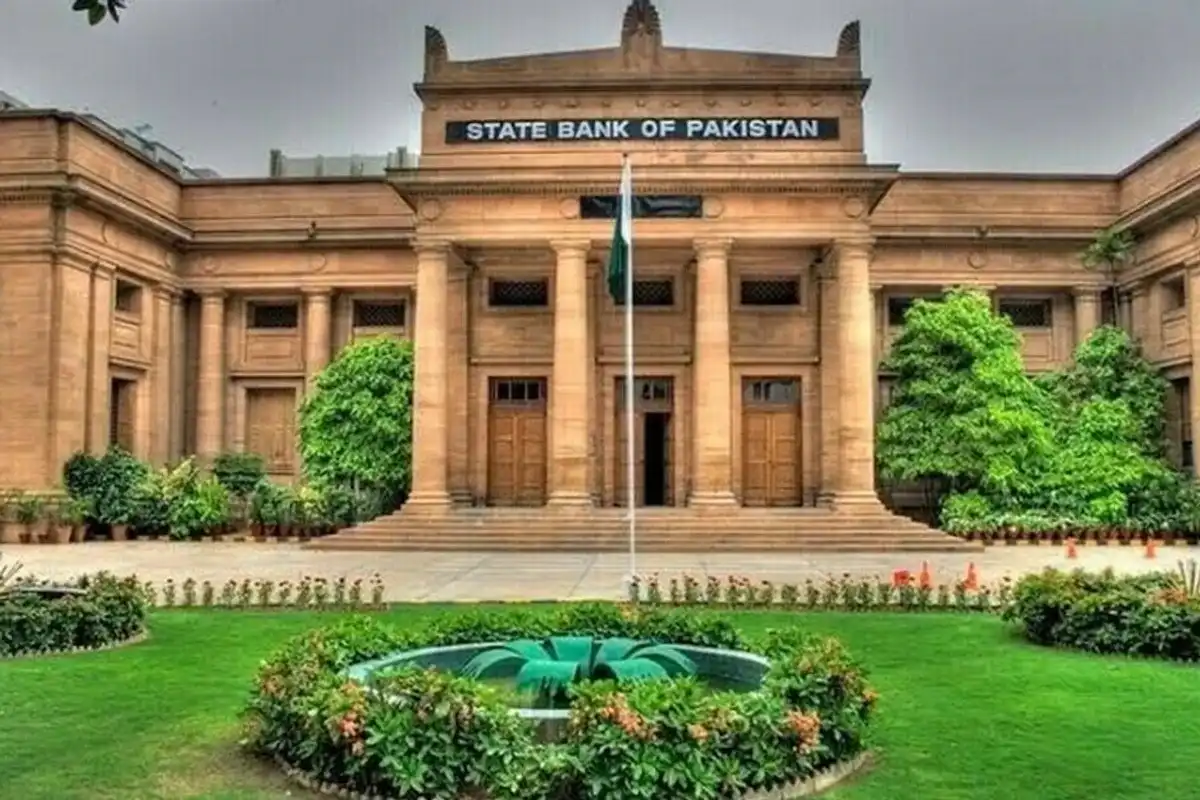
Pakistan’s central bank governor has raised the country’s forecast for workers’ remittances in the current fiscal year, citing stronger inflows expected ahead of two major Islamic holidays and progress on digital payment integration with Gulf countries.
State Bank of Pakistan (SBP) Governor Jameel Ahmad said Friday that cumulative workers’ remittances are now projected at $42 billion in fiscal year 2025-26, up from the central bank’s January estimate of about $41 billion.
Speaking at a media briefing at the SBP head office in Karachi, Ahmad said remittances typically surge around Eid-ul-Fitr and Eid-ul-Adha, both of which fall within March to June.
“We can expect higher remittances as two Eids are falling ahead in FY26,” he said.
According to central bank data, remittances tend to peak during Eid months. In March last year, when Eid-ul-Fitr fell, inflows reached an all-time high of $4.05 billion. Overall, workers’ remittances rose 26% to a record $38.3 billion in FY25, compared with $30.3 billion in FY24.
Pakistan and Arab digital payment infrastructure
Ahmad also said work on integrating Pakistan’s digital payment infrastructure with the Arab world’s Buna platform — a multicurrency cross-border payment system — is nearly complete.
“This will soon be launched, enabling Pakistanis living in Arab world countries to send workers’ remittances swiftly to Pakistan and contribute toward enhanced inflows,” he said.
Pakistan is also in talks with Saudi Arabia and the United Arab Emirates to link its digital payment system with the two Gulf Cooperation Council countries, Ahmad added. More than 70% of Pakistani expatriates live in Saudi Arabia and the UAE, which together account for the largest share of remittances sent to Pakistan. Officials expect the integration to speed up transfers and further boost inflows.
Export outlook improves
Ahmad said the central bank has also revised up its export outlook, although exports are still expected to contract in FY26.
He said exports would perform better than the SBP’s January projection of a 6% contraction, following a recently announced incentive package by Prime Minister Shehbaz Sharif.
The package includes a three percentage-point cut in the export refinance scheme rate to 4.5%, a reduction in electricity tariffs by PKR 4.04 per unit, and a cut in electricity wheeling charges to below PKR 9 per unit for industry.
“The package is expected to improve the export of rice from Pakistan in FY26,” Ahmad said, adding that rice exports are now expected to remain above $2 billion this fiscal year. The central bank had earlier projected rice exports at around $2 billion, compared with $3.3 billion to $3.4 billion in the previous year.




Comments
See what people are discussing