

Pakistan court voids judge’s appointment over fake law degree
Detailed ruling says unlawful judicial appointments erode public trust in courts

Aamir Abbasi
Editor, Islamabad
Aamir; a journalist with 15 years of experience, working in Newspaper, TV and Digital Media. Worked in Field, covered Big Legal Constitutional and Political Events in Pakistan since 2009 with Pakistan’s Top Media Organizations. Graduate of Quaid I Azam University Islamabad.
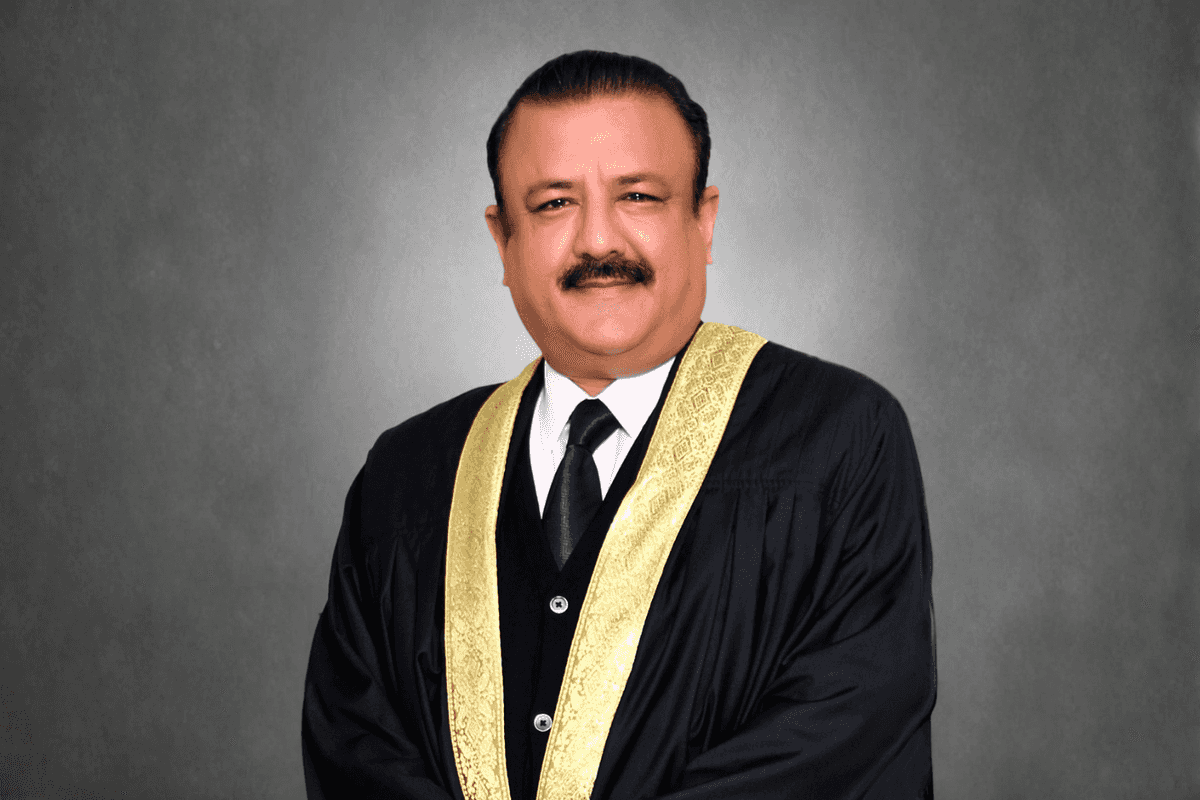
The Islamabad High Court has issued a detailed 116-page judgment in the case concerning the removal of Justice Tariq Jahangiri over allegations related to a fake law degree. The verdict was authored by Justice Azam Khan.
In its ruling, the court said judicial independence does not mean immunity from accountability or exemption from legal scrutiny. It emphasized that a judge who lacks the required eligibility or is found guilty of misrepresentation is not entitled to continue holding judicial office.
The judgment said such a person must be removed from office immediately in accordance with the law, adding that such action is necessary to preserve the independence of the judiciary. Accountability, the court observed, does not weaken institutions but instead strengthens them.
Eligibility and public confidence
The court further noted that without an independent, competent, and credible judiciary, the right of access to justice becomes merely an illusion. Courts, it said, are established for the benefit of society, not for the convenience of judges.
According to the verdict, an unlawful appointment undermines the judicial system and erodes public confidence in the administration of justice. The court stressed that transparent judicial appointments are essential to safeguarding the fundamental right to justice.
The ruling also clarified that constitutional standards within the judiciary are designed to protect its independence. Administrative approval or subsequent ratification, it said, cannot substitute for meeting fundamental eligibility criteria. The judgment added that a law license cannot remedy deficiencies in basic educational qualifications.
Appointment declared void
The court declared that if a judge does not possess a valid and legally recognized LL.B. degree, the appointment is void from the outset. It further held that an illegal appointment cannot be legitimized through later administrative actions.
Concluding its decision, the court said public office may be held only by individuals who meet lawful eligibility requirements and declared the appointment of Justice Tariq Jahangiri null and void.
The dispute centers on his Bachelor of Laws degree from the University of Karachi, awarded in 1992. Questions were raised in 2024 after a private request for verification led university officials to term the degree “invalid,” prompting legal challenges and media scrutiny.
In his appeal, Jahangiri maintains that the verification and cancellation process was irregular and that decisions regarding sitting judges fall within the jurisdiction of the Supreme Judicial Council, not the high court. The Federal Constitutional Court has not yet decided whether it will grant leave to appeal.




Comments
See what people are discussing