

Pakistan to cut tariffs, cap development spending in FY27 budget: report
Taurus Securities expects weighed average tariff to fall below 6% by 2030

Business Desk
The Business Desk tracks economic trends, market movements, and business developments, offering analysis of both local and global financial news.
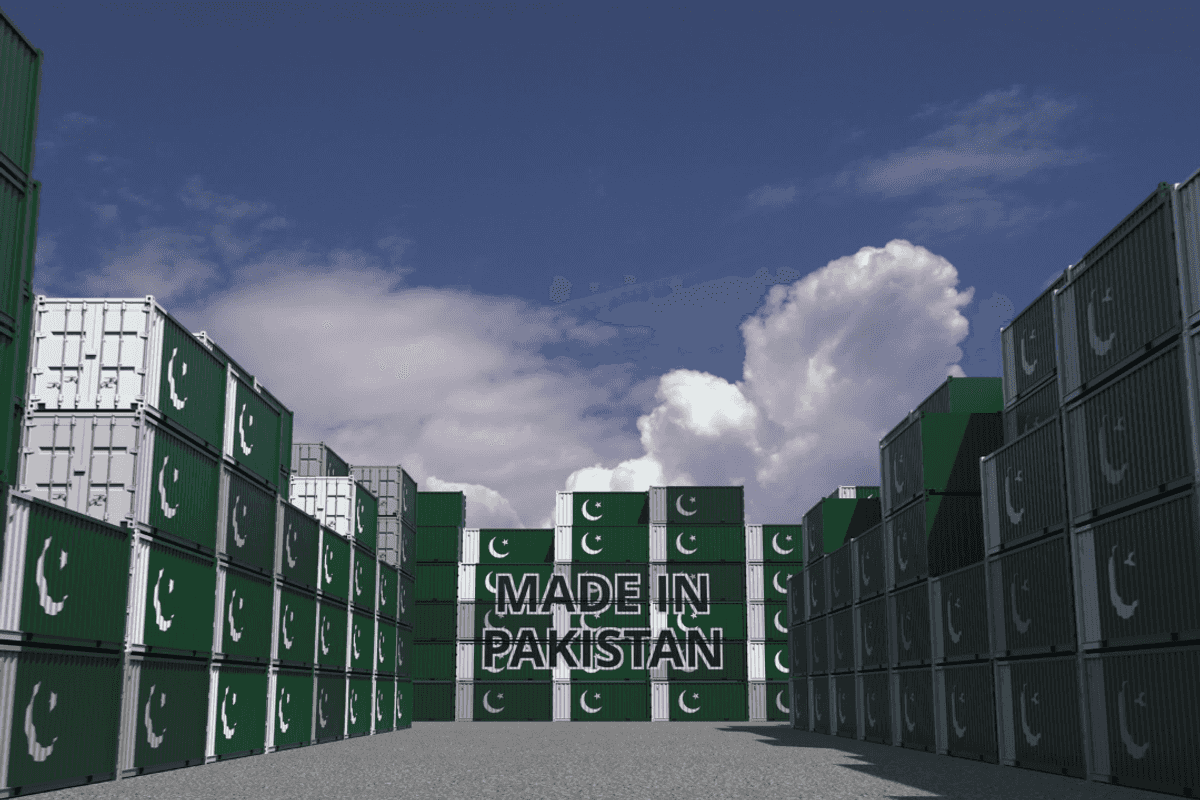
The government is also considering eliminating all additional duties for the auto sector
Pakistan's government is expected to push ahead with sweeping tariff reductions, cap federal development spending at nearly a third of requested levels, and widen the tax net in its FY2026-27 budget.
The forecast comes in a budget preview report by Taurus Securities released on May 21.
What tariff changes are expected in Pakistan's FY27 budget?
Pakistan is expected to implement the next phase of tariff cuts under its National Tariff Policy (NTP) in the FY2026-27 budget.
The weighted average applied tariff is projected to fall from 10.6% in FY25 to 7.4% by FY30. With auto sector cuts, it could drop below 6%.
The cuts align with commitments under Pakistan's IMF Extended Fund Facility program. The policy phases out additional customs and regulatory duties over four to five years.
How will Pakistan's tariff cuts work?
The NTP phases out the Additional Customs Duty (ACD) within four years and the Regulatory Duty (RD) within five years. The Customs Act's Fifth Schedule phases out over five years.
The government is also considering eliminating all ACDs and RDs for the auto sector. It plans to substantially reduce customs duties on automobiles by FY30 as part of trade liberalization.
Despite concerns over revenue losses, modeling under the Global Trade Analysis Project framework indicated a net positive impact. Exports are expected to rise more than imports, lifting government revenues by 7% to 9%.
How much will Pakistan spend on development in FY27?
The Ministry of Finance proposed an indicative ceiling of PKR 1.126 trillion for the Federal PSDP in FY27. That is far below the PKR 2.9 trillion sought by the Planning Ministry.
The Annual Plan Coordination Committee is expected to meet in early June. It will finalize the macroeconomic framework and development outlay for the budget.
Development spending has remained under pressure due to fiscal constraints and IMF commitments. The FY26 PSDP was initially set near PKR 1 trillion before being cut to PKR 820 billion.
The downward revision followed fiscal pressures, including fuel subsidies introduced after the Middle East conflict. Actual PSDP spending in the first 10 months of FY26 was PKR 833.3 billion.
Taurus warned that construction materials and other infrastructure-linked sectors remain vulnerable to lower PSDP disbursements. The government has committed to offsetting IMF-related shortfalls through development cuts.
What is Pakistan's new fixed tax scheme for retailers?
The government is considering a revised fixed tax scheme for retailers. It follows the failure of the Tajir Dost Scheme introduced last year.
Retailers with annual turnover up to PKR 250 million would be brought under the fixed tax regime, excluding existing Tier-I retailers. The measure could generate around PKR 100 billion.
Taurus said authorities are seeking a more practical way to document and tax the retail sector. The sector remains one of Pakistan's largely under-taxed segments.
What goods will be added to the sales tax Third Schedule?
The government is likely to add 20 to 25 consumer goods to the Sales Tax Act's Third Schedule. Sales tax would be charged on printed retail prices at the manufacturing stage.
The additions are expected to include fast-moving consumer goods such as ketchup, infant formula, milk, dairy products, and cooking oil. The measure could raise another PKR 100 billion.
The FBR is also expected to enforce mandatory digital invoicing from the next fiscal year, rejecting manual sales tax invoices. Stricter enforcement could add a further PKR 100 billion in collection.


Comments
See what people are discussing