

Pakistan expands Operation Ghazb lil Haq, says 65 militant sites struck in Afghanistan
Information minister says operation reflects Pakistan’s resolve to eliminate terrorism and dismantle militant networks

News Desk
The News Desk provides timely and factual coverage of national and international events, with an emphasis on accuracy and clarity.
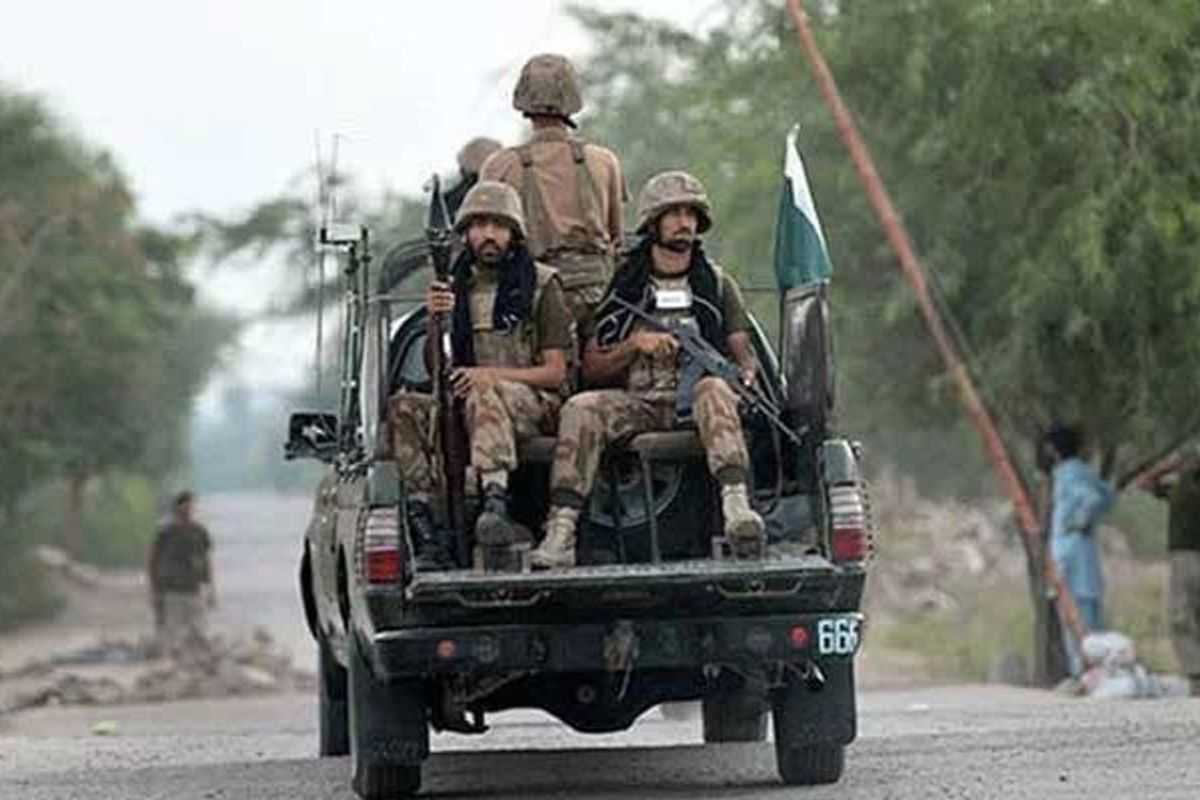
Pakistan’s Information Minister Atta Tarar said on Wednesday that 641 militants have been killed so far in the ongoing Operation Ghazb lil Haq, whereas 65 terrorist havens have been attacked so far.
In a post on X, the information minister said significant losses had been inflicted on the militants during the security operations in Afghanistan.
The minister added that more than 855 militants have been injured during the course of the operation, running since Feb 26.
According to the figures shared by Tarar, security forces also destroyed 243 militant check posts, while 42 posts were captured and subsequently destroyed.
The statement further said that 219 tanks, armored vehicles, and artillery guns used by militants have also been destroyed.
✅Operation Ghazb lil Haq
✅Update 1600 hours 11 March
✅Summary of Fitna Al Khawarij / Afghan Taliban losses
▪️641 Killed,
▪️855+ Injured
▪️243 Check posts destroyed
▪️42 Posts captured & destroyed
▪️219 tanks, armoured vehicles, artillery guns destroyed
▪️65 terrorists and…
— Attaullah Tarar (@TararAttaullah) March 11, 2026
The information minister said the operation reflects Pakistan’s resolve to eliminate terrorism and dismantle militant networks threatening the country’s security.
Clashes timeline
The latest border escalations follow a series of tit-for-tat actions over the past year.
On Feb. 21, Pakistan carried out air strikes targeting camps of the Tehreek-e-Taliban Pakistan (TTP) and Islamic State Khorasan Province (ISKP) inside Afghanistan after a wave of attacks in Pakistan, including a suicide bombing in the capital, Islamabad.
Pakistani security sources said more than 80 militants were killed in those strikes.
Previously, tensions between Pakistan and Afghanistan =surged after a series of Pakistani strikes in Kabul on October 9 last year. Taliban forces subsequently targeted areas along Pakistan’s border, prompting Islamabad to respond with cross-border shelling.
The exchanges caused casualties and infrastructure damage on both sides and led to the suspension of trade after border crossings were closed on October 12.
Regional reaction
Pakistan has long accused the Tehreek-e-Taliban Pakistan and Baloch separatist militants of operating from Afghan territory, allegations that Kabul has repeatedly denied.
Afghanistan’s Taliban authorities have said they are open to talks following the strikes. Taliban spokesman Zabihullah Mujahid said the attacks caused civilian casualties but did not provide figures.
“The Islamic Emirate of Afghanistan has always tried to resolve issues through dialogue, and we want to resolve this matter through dialogue too,” Mujahid said.
International concern has grown as clashes intensified. The United States said it was closely monitoring the situation.
China said it was alarmed by the deteriorating security situation and called for de-escalation through diplomatic channels.
Russia also urged both sides to halt hostilities and pursue a diplomatic solution, while Iran offered to facilitate dialogue between the neighbors.
At the United Nations, Secretary-General António Guterres was closely following developments, his spokesman said, urging all parties to respect international law and protect civilians.



Comments
See what people are discussing