

Pakistan likely to extend auto policy by one year as IMF talks delay new framework
Government targets August launch for a revised policy focused on investment, EVs and stricter vehicle safety standards, pending IMF approval

Business Desk
The Business Desk tracks economic trends, market movements, and business developments, offering analysis of both local and global financial news.
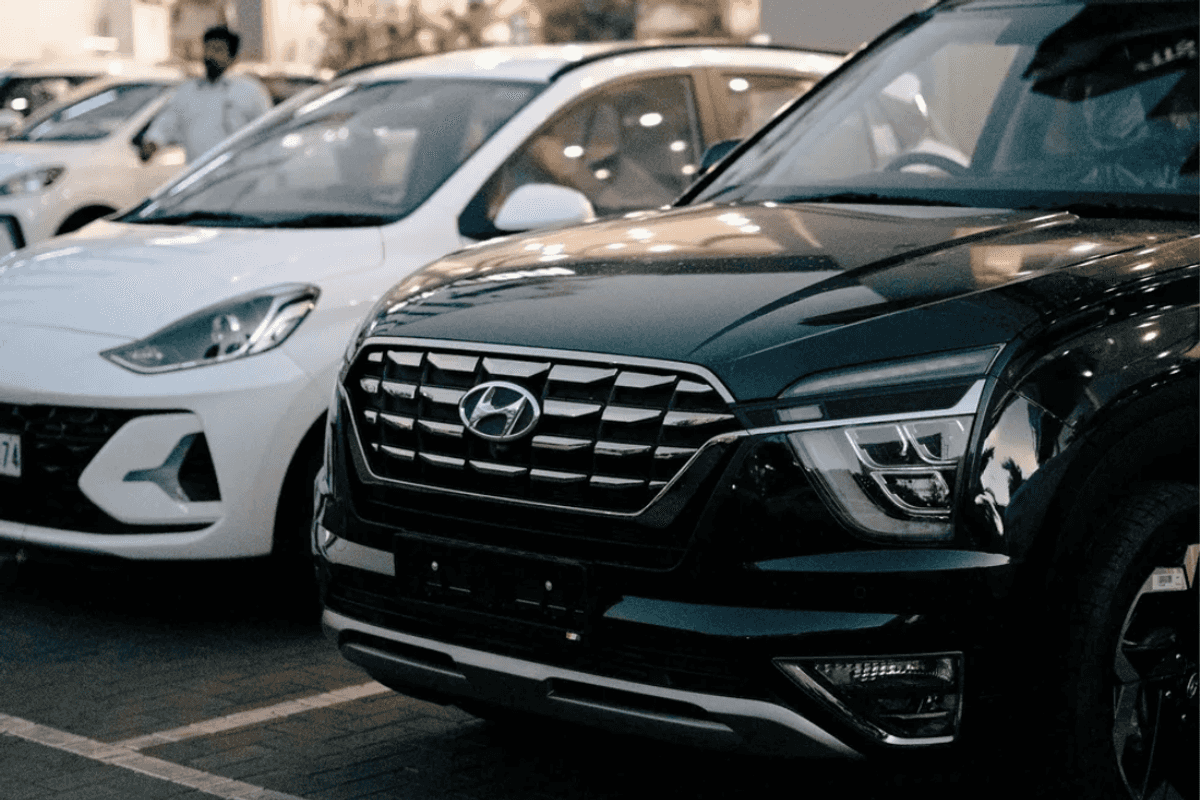
Pakistan likely to extend existing auto policy by one year as IMF talks delay new framework
Pakistan is likely to extend its existing automobile policy by one year after the government failed to finalize a new framework before the previous policy expired on June 30, government sources said Tuesday.
According to officials familiar with the matter, negotiations with the International Monetary Fund (IMF) and the Tariff Policy Board on the revised automobile policy have yet to produce an agreement, prompting the government to continue the existing policy while discussions continue.
Sources in the Ministry of Finance said the government has reached a consensus to extend the current policy for another year. They added that another round of talks with the IMF will be held on the revised draft of the new policy.
The government has also struggled to fully implement the previous automobile policy, while the new framework could not be introduced before the existing policy expired at the end of June, the sources said.
Prime Minister Shehbaz Sharif has expressed concern over the incomplete implementation of the current policy and directed the relevant ministries to make the new automobile policy more investor-friendly, according to the sources.
However, officials said the chances of concluding negotiations on the new policy within the next month remain slim because differences between the Ministry of Science and Technology and the Ministry of Industries and Production have yet to be resolved.
The IMF has opposed an initial proposal to reduce the sales tax on vehicles with engine capacities of up to 800cc to 12.5% from the current 18%, according to the sources. Officials said any tax incentives under the new policy will be discussed with the IMF before implementation.
Government officials said the revised policy is designed to attract new investment, create jobs and strengthen Pakistan's automotive industry.
The proposed policy will also require locally manufactured vehicles to comply with internationally recognized safety standards. Sources said both imported and locally assembled vehicles will be required to meet 62 safety standards in line with United Nations regulations.
The policy is also expected to include measures to promote electric vehicles (EVs), plug-in hybrid electric vehicles (PHEVs) and hybrid vehicles as part of the government's transition to cleaner transportation.
In addition, the government is considering imposing a carbon tax on the engines of locally manufactured petrol and hybrid vehicles under the new policy, the sources said.
The revised automobile policy will also be reviewed in consultation with the Federal Board of Revenue (FBR) and the ministries of Science and Technology, Commerce and Law before being presented to the Economic Coordination Committee (ECC) of the Cabinet.
Officials said the government is targeting the launch of the new automobile policy in August, subject to the completion of consultations with the IMF and other stakeholders.



Comments
See what people are discussing