

Pakistan eyes overhaul of fuel pricing system
Petroleum pricing committee has proposed transparency and rule-based reforms, citing renewed uncertainty from the Hormuz closure.

Business Desk
The Business Desk tracks economic trends, market movements, and business developments, offering analysis of both local and global financial news.
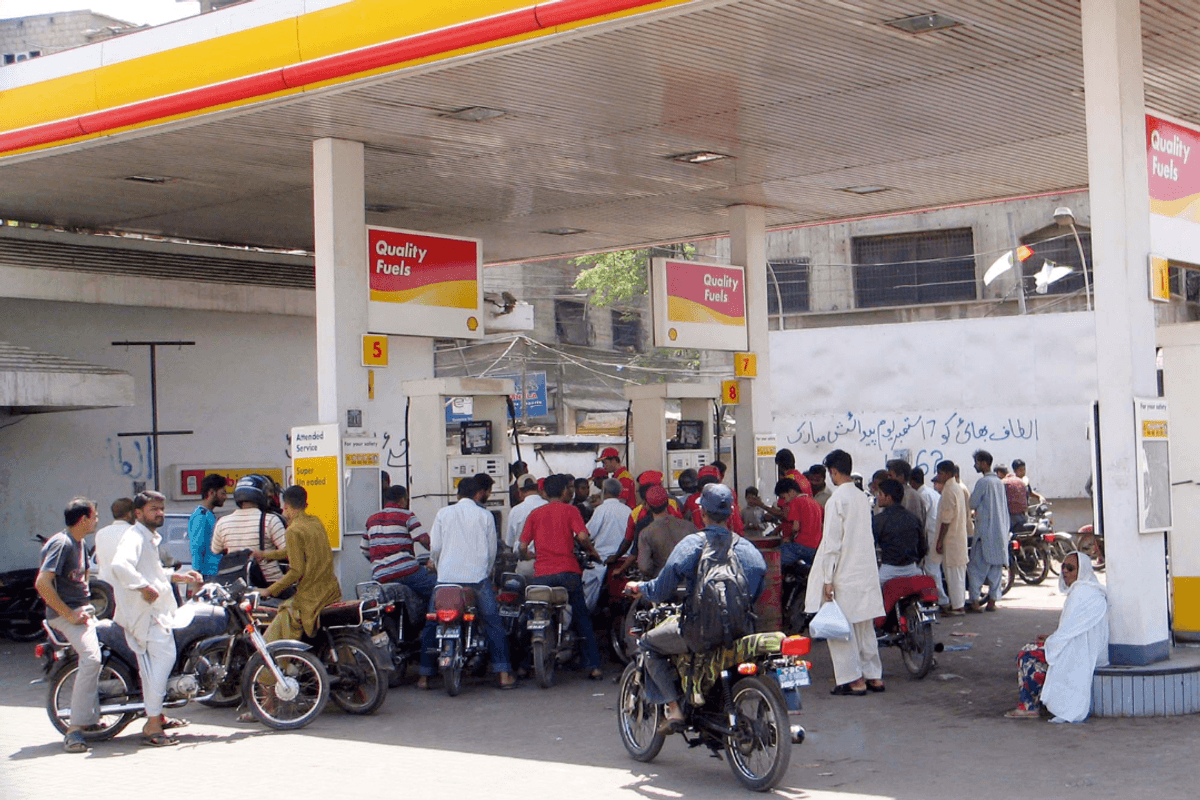
Pakistan's government is moving toward major reforms of its petroleum pricing system. A ministerial committee cited renewed uncertainty in global energy markets after the closure of the Strait of Hormuz on Monday as it advanced proposals to improve transparency and market stability.
What reforms is Pakistan's petroleum pricing committee proposing?
The committee recommended that OGRA publish daily Platts pricing data online so the public can see the international benchmark used to calculate fuel prices in Pakistan. It also agreed the petroleum price stabilization fund should operate under a fully rule-based framework, with clearly defined mechanisms for funding and disbursements to prevent arbitrary decisions.
Why did Pakistan's petroleum minister cite the Hormuz closure?
Petroleum Minister Ali Pervaiz Malik chaired the fourth meeting of the prime minister's committee on petroleum pricing in Islamabad on Monday. He said the committee's work had become more urgent because of the renewed closure of the Strait of Hormuz and the resulting uncertainty in global energy markets.
Citing a KPMG study, Malik said Pakistan's gasoline prices remain lower than those in Bangladesh, Sri Lanka and Turkey, while staying broadly comparable to prices in India. He added that the government has proposed amendments to the Refinery Policy to boost domestic diesel production and cut reliance on imported diesel, strengthening energy security.
What other changes did the committee recommend?
Members emphasized the need to digitize Pakistan's oil supply chain alongside the pricing reforms. Malik said the committee's next meeting would be its final session, after which its recommendations would go to Prime Minister Shehbaz Sharif for consideration.
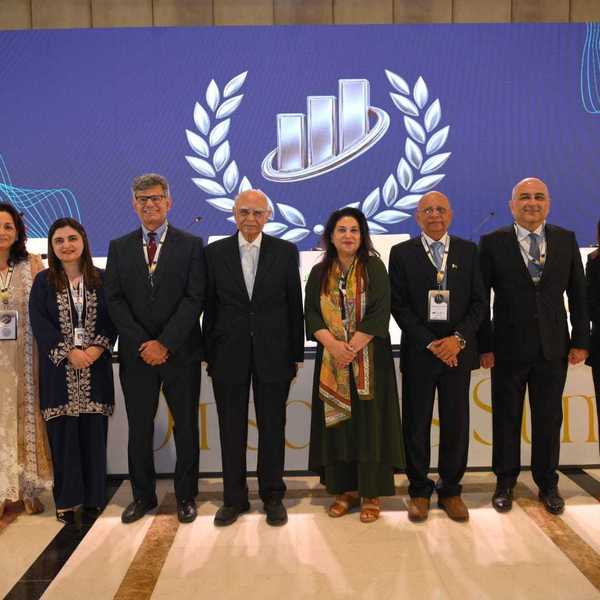
The meeting was attended by Economic Affairs Minister Ahad Khan Cheema, Minister of State for Finance Bilal Azhar Kayani, OGRA Chairman Nabeel Awan, and representatives from KPMG, the Finance Division, Pakistan State Oil, the Ministry of Law and Justice and the Petroleum Division.



Comments
See what people are discussing